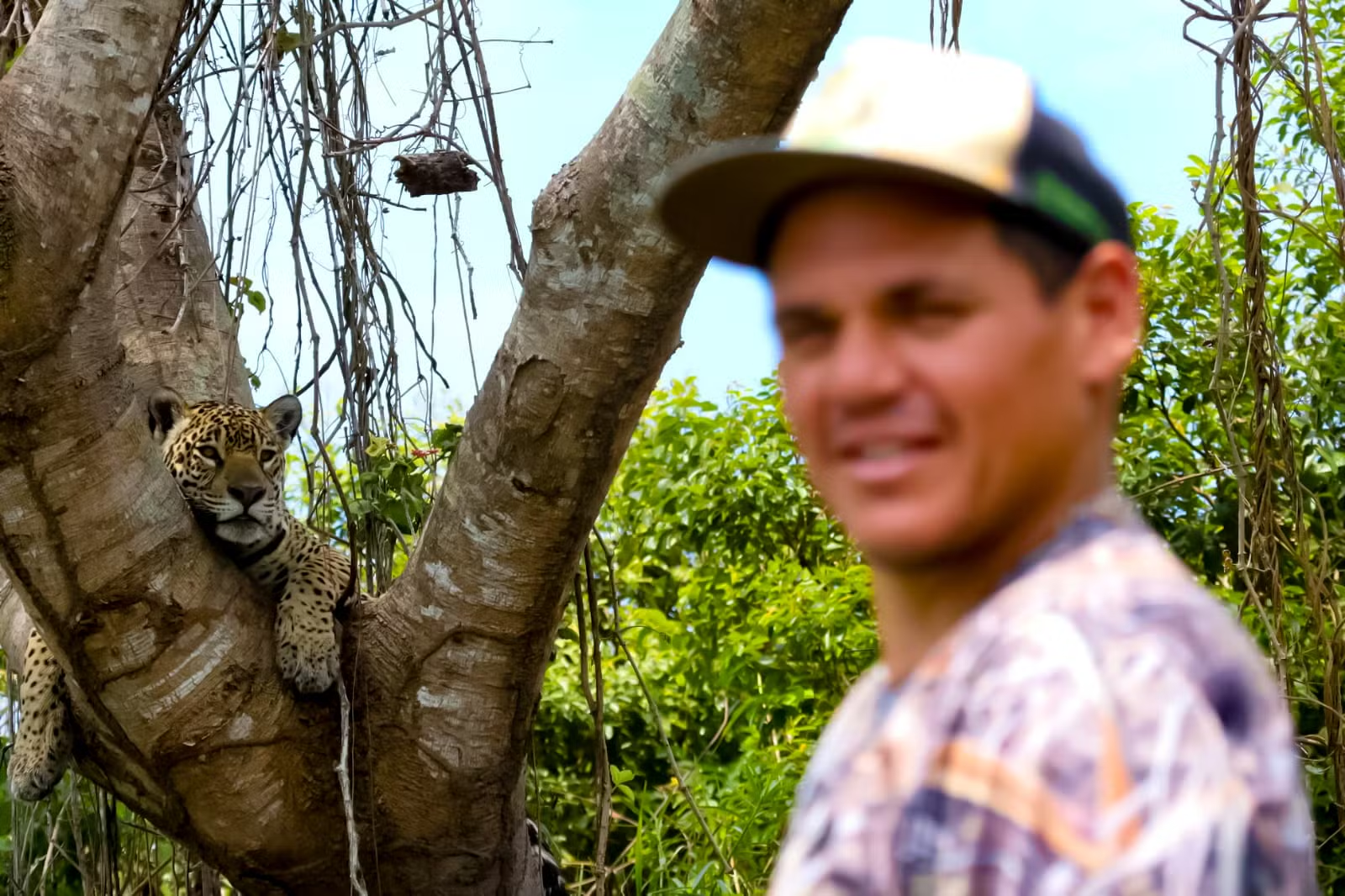
Jaguar Photography Safaris
4day Jaguar Photography Safari
5 Days | 18+ | Starts with 1 Person | 6 People Max | Photography | Available all year |
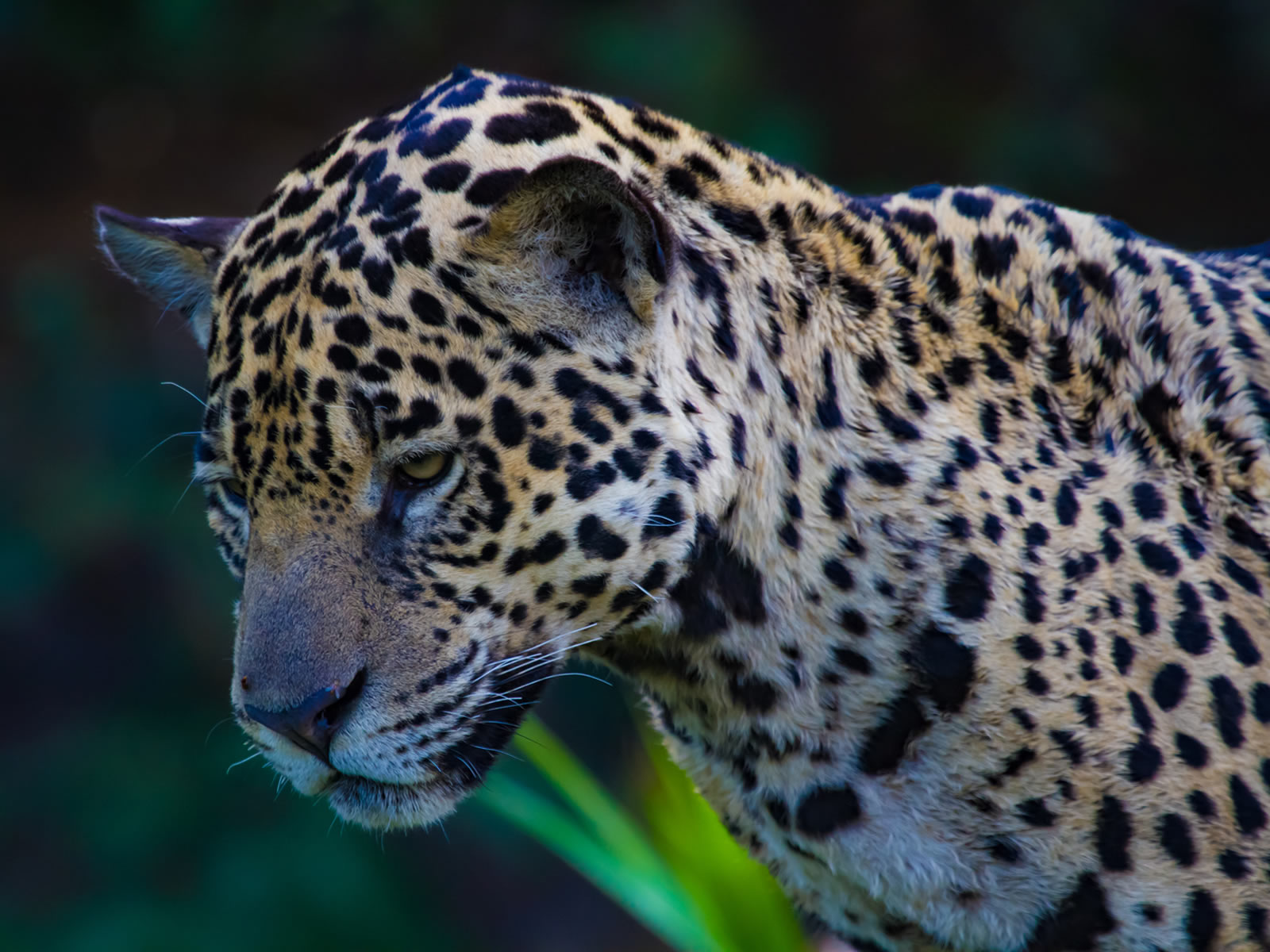

Best time to see Jaguars in Pantanal
Tour Overview
This Photography Tour starts at the Airport in Cuiaba and then drive directly all the way to our lodge near PORTO JOFRE where we will spend the night. We will explore the are from our lodge.
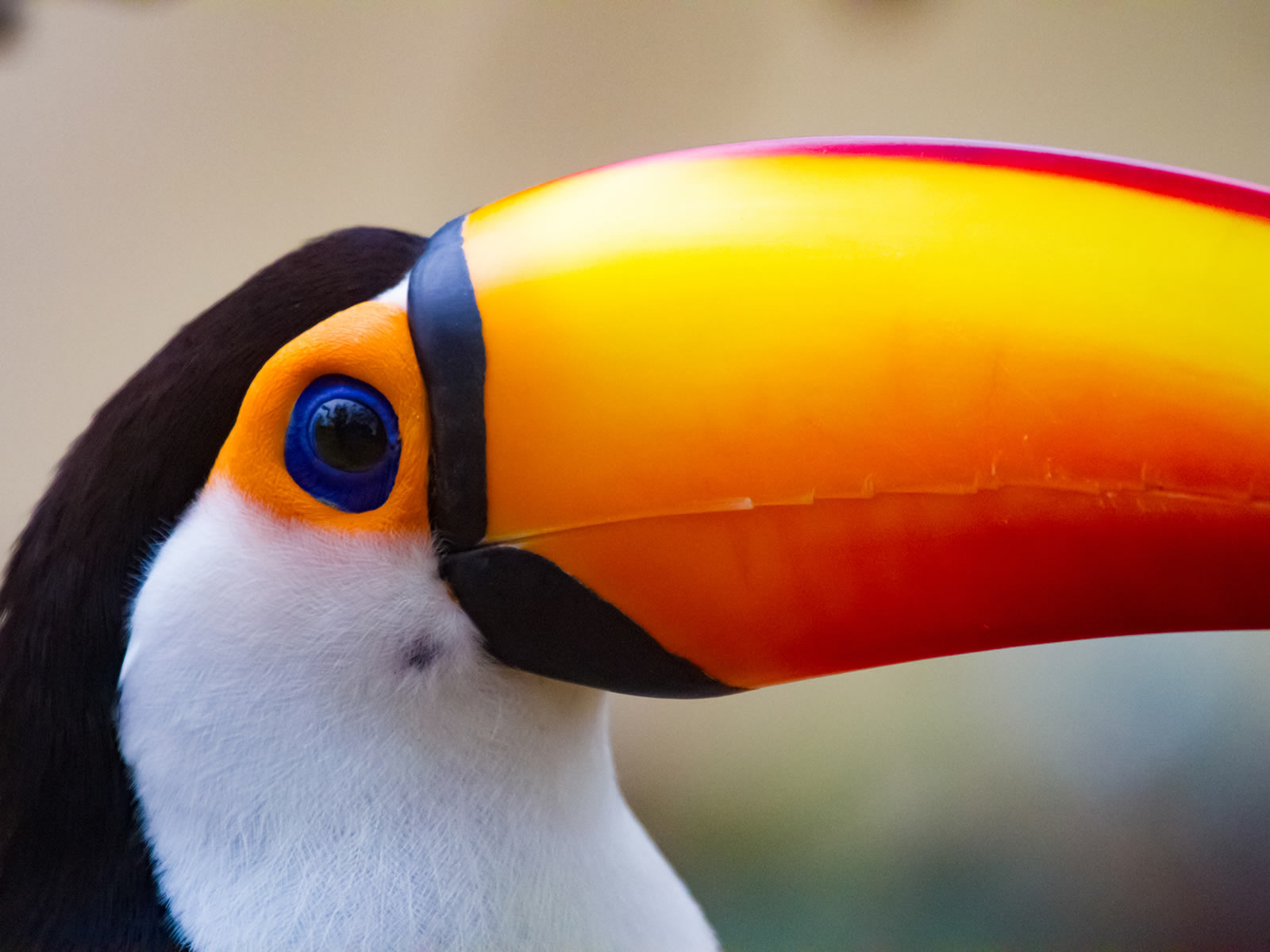
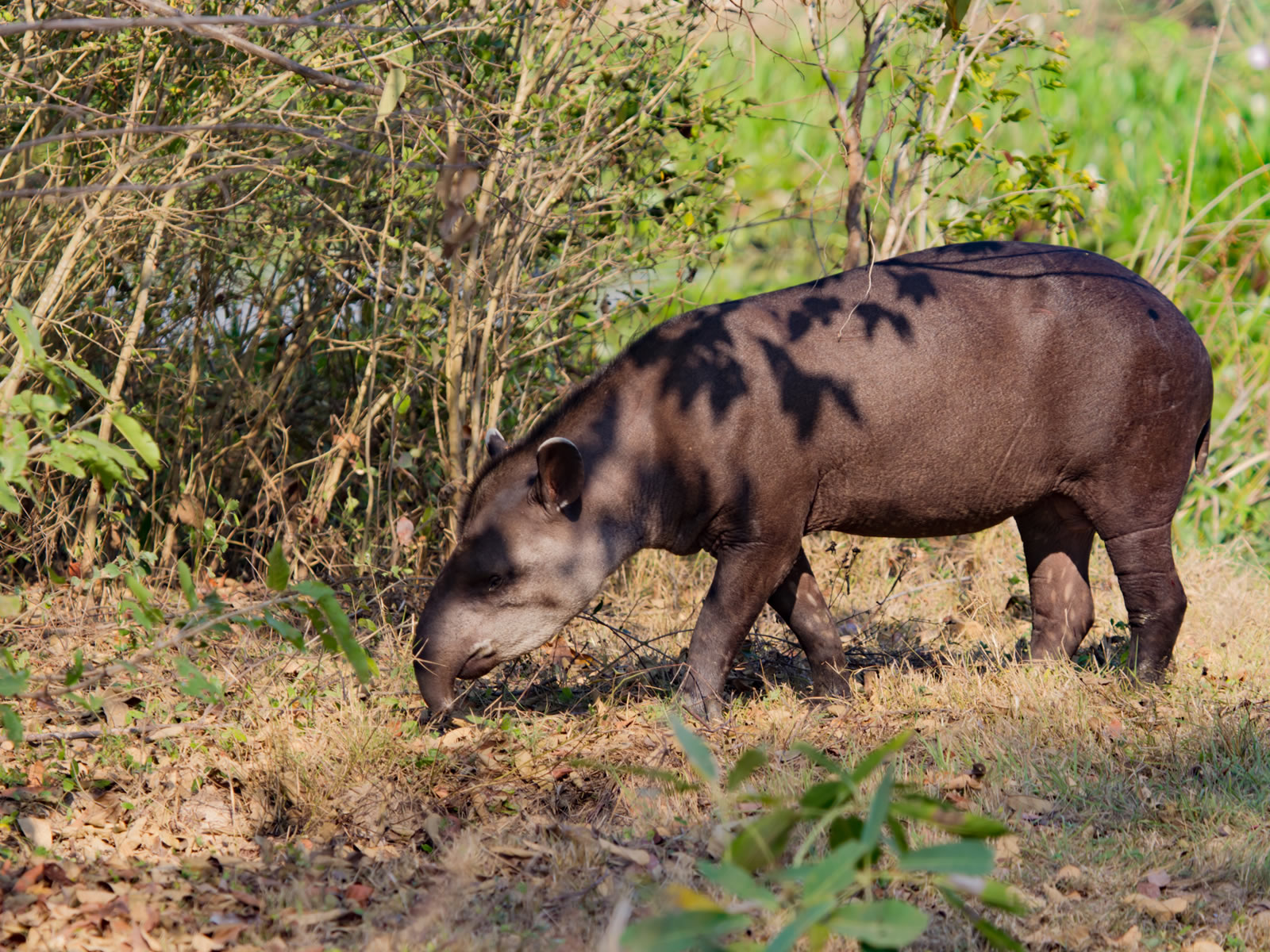
Target Species: Jaguars, Yellow Anacondas, Tapir, Ocelot, Giant Anteater, Toco Toucan, Hyacinth macaw
Tour Itinerary
Day 1: Pick up at Airport in Cuiabá - Pantanal (Land Photo-Safari and night safari)
Today we will head towards Cuiabá and from there we will head to Pantanal. Reception at the Cuiabá airport and assistance by a bilingual guide then transfer to the Pantanal during the trip a photographic safari by Transpantaneira motorway observing all the regional nature and passing through the city of Poconé. Several stops will be made in order to appreciate the spectacular flora and fauna along the way. This will also provide an excellent opportunity for wildlife photography. Arrival at the lodge and accommodation, lunch, afternoon safari game, dinner, night safari and overnight.
Day 2: Pantanal (Sunrise, motor boat trip, Transpantaneira safari and night safari)
An early morning start at 5:00 am in time to watch the sunrise when it´s possible to see many birds and also few mammals, return for breakfast, motor boat trip, lunch, check-out, photo safari on Transpantaneira, check-in, dinner and then night safari.
Day 3: Pantanal - (Horseback riding, Safari, Observation tower and night safari)
After Breakfast, horseback riding, lunch, in the afternoon Safari game, observation tower, dinner, night safari, overnight at the lodge.
Day 4: Panatnal - Cuiaba (Sunrise Activity, motor boat trip and Land Photo-Safari)
An early morning safari to see the sunrise, After breakfast, motor boat, return to the lodge for lunch. check-out, Transpantaneira drive on the way back to Cuiabá airport or Hotel, end of our services.
- Airport/Hotel Pick Up
- English-speaking wildlife guide
- All road transportation on comfortable private vans
- Three meals a day
- Excursions (boat safaris, overland safaris, walking safaris, night safaris)
- Boats for Jaguar Safaris
- Entrance fees to all Natural Reserves
- Wi-fi where present
- 100% Jaguars
- Travel Insurance
- Local and International Flights
- Extra accommodation and meals
- Laundry
- Phone calls
- Beverages
- Meals outside the itinerary
- Tips for the team
I. Camera Gear
Camera Body: Your primary camera. Crucially, consider weather-sealed bodies and lenses if you have them.
Lenses:
Versatile Zoom (e.g., 24-70mm f/2.8 or similar): Good for general shots, group photos, and environmental portraits.
Telephoto Zoom (e.g., 70-200mm f/2.8 or 100-400mm): Absolutely essential for wildlife (monkeys, birds, sloths, insects) in the dense canopy. A fast aperture (f/2.8-f/4) will be helpful in lower light.
Wide-angle lens (e.g., 14-24mm, 16-35mm): For sweeping rainforest vistas, large trees, and astrophotography if you get clear skies at night (which can be rare in some areas).
Tripod: Still essential for night photography, long exposures (e.g., misty waterfalls, star trails), and sharp macro shots. Choose one that's relatively lightweight and easy to carry on uneven terrain.
Extra Batteries: At least 3-4 fully charged spares. Humidity can affect battery life, and charging opportunities might be limited.
Memory Cards: Multiple high-capacity, fast memory cards. Consider bringing a waterproof memory card case.
Remote Shutter Release: Essential for long exposures and preventing camera shake, especially when shooting macro.
Headlamp/Flashlight:
With red light option: For night hikes and not disturbing nocturnal creatures or your group's night vision.
Brightness: A brighter main beam will be useful for spotting wildlife from a distance.
Spares/extra batteries.
Dry Bags: Multiple sizes for your camera body, lenses, and sensitive electronics. You want to create multiple layers of protection within your camera bag.
Moisture Absorbers/Silica Gel Packs: Pack plenty of these. Place them inside your camera bag, lens cases, and even sealed plastic bags with your gear to combat humidity and prevent fungal growth. Rechargeable ones are great.
Weather-Sealed Camera Bag: A backpack designed for outdoor use with good weather resistance is crucial. Look for a built-in rain cover.
Lens Hoods: Always on to protect the front element from rain, drips, and accidental bumps.
III. Cleaning and Maintenance (Extra Vigilance Required)
Lens Cleaning Cloths: Many! They will get damp and dirty.
Lens Pen/Brush & Rocket Blower: For dust and water droplets.
Sensor Cleaning Kit: The humidity can attract dust. Know how to use it or be extra careful when changing lenses.
Microfiber Towels: For wiping down gear and yourself. They dry quicker than cotton.
IV. Personal Comfort & Safety (Even More Important)
Clothing:
Lightweight, fast-drying, breathable fabrics: Synthetics or quick-dry cotton blends. Avoid heavy cotton or denim.
Long sleeves and long pants: Protection against insects, scratches, and sun. Choose light colors if possible.
Swimsuit: For swimming pools at the lodges.
Hat: Wide-brimmed for sun protection, or a baseball cap.
Footwear:
Waterproof hiking boots (broken in!): With good ankle support and grip for muddy, slippery trails.
Waterproof sandals/river shoes (e.g., Chacos, Tevas): For comfort around the lodge.
Plenty of Socks: Fast-drying, moisture-wicking socks.
Insect Repellent: High-DEET or picaridin-based for mosquitoes and other biting insects. Apply frequently.
Sun Protection: Sunscreen (even under cloudy skies), sunglasses.
First-Aid Kit: Comprehensive! Include:
Basic wound care (band-aids, antiseptic wipes)
Pain relievers
Anti-diarrhea medication
Allergy medication
Topical anti-itch cream for bites
Prescription medications
Hydration:
Reusable Water Bottle: Carry plenty of water that is included at the lodges: If you'll be venturing far from reliable water sources.
Small Daypack: Waterproof or with a good rain cover for daily excursions, snacks, water, and essentials.
Power Bank/Portable Charger: For phone, computer and Cameras.
Zip-lock Bags: Various sizes, for everything from phone protection to separating wet clothes/Sweety clothes.
Small Towel: Quick-dry travel towel.
Personal Toiletries: Biodegradable options where possible.
Binoculars (optional): Great for spotting wildlife before you get your camera out.
Leatherman/Multi-tool: Always handy.
V. Optional (But Recommended) Extras for Rainforest Specifics
Flash for Macro/Night Photography: A dedicated flash (with diffuser) can be incredibly useful for illuminating tiny subjects in the dark or under dense canopy.
Diffusers/Reflectors: Small, collapsible ones for macro photography to soften harsh light or add fill light.
Portable Hard Drive/Laptop: For backing up photos. Ensure it's in a dry bag!
Field Guide to Pantanal Wildlife/Birds: To help identify what you're seeing. You Can purchase it at the lodge.
Snacks: Energy bars, dried fruit.
Pre-Trip Checklist:
Test all gear: Ensure it's working perfectly before you go.
Practice with rain covers/dry bags: Get comfortable sealing and unsealing them quickly.
Immunizations/Health Advice: Consult your doctor about required or recommended vaccinations for Brazil.
The rainforest is an incredible place for photography, but it demands careful preparation. Expect to get damp, muddy, and mosquito-bitten, but the rewards are spectacular!
Hotels normally offer free storage if yours doesn’t we will be very happy to store your luggage for you.
Write A Review
Recommended by


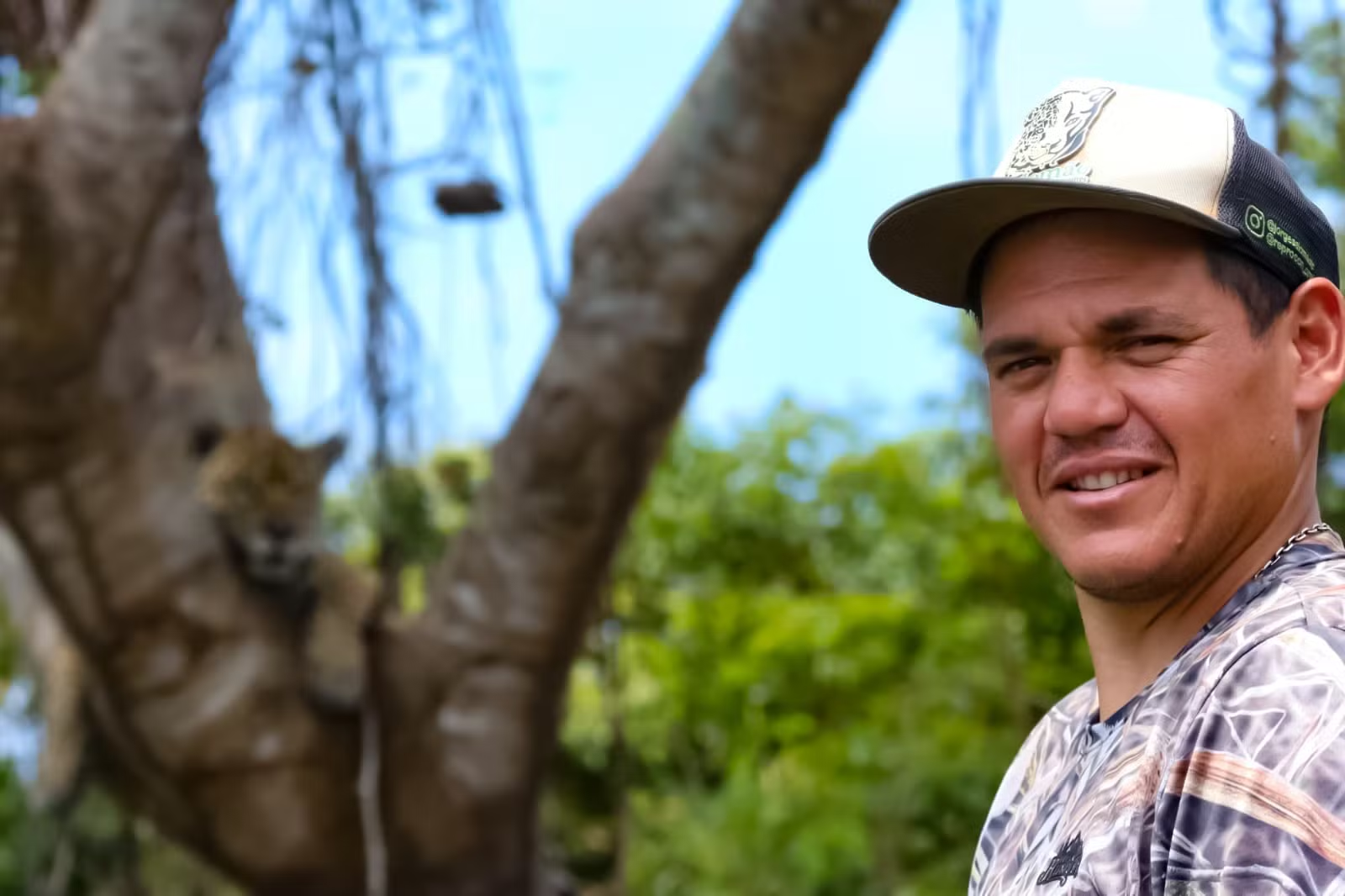
Meet our Expert
Leadership