
Photography Tours in Peru
Capturing the Winged Wonders: A 12-Day Manu National Park Bird Photography Expedition
12 Days | 18+ | Starts with 1 Person | Photography | Available all year |

Tour Overview
Embark on an unforgettable photographic journey through the heart of Peru, where ancient Incan wonders meet the unparalleled biodiversity of Manu National Park. This exclusive photography tour is meticulously crafted to immerse you in breathtaking landscapes and provide extraordinary wildlife encounters, offering unparalleled opportunities to capture stunning images.
Your adventure begins in the fabled Incas' Sacred Valley, a land steeped in history and framed by majestic Andean peaks. Here, you'll explore iconic archaeological sites, witness vibrant local cultures, and photograph the dramatic vistas that once inspired a powerful empire.
From the highlands, we descend into the lush, emerald embrace of the Cloud Forest and the vibrant High Jungle of Manu National Park, a UNESCO World Heritage site and one of the most biodiverse places on Earth. Prepare to be enchanted by a symphony of colors and sounds, a paradise for nature photographers.
Tour Highlights designed for the discerning photographer include:
Six Dedicated Hummingbird and Tanager Gardens: Spend ample time in specially curated gardens, where you'll have incredible chances to photograph a dazzling array of hummingbirds in various species, alongside a vibrant collection of colorful tanagers. These intimate settings provide perfect lighting and close-up views.
Andean Cock-of-the-Rock Lek: Witness and photograph the spectacular display of Peru's national bird, the Andean Cock-of-the-Rock, at its active lek. Observe males in their brilliant red plumage perform elaborate courtship rituals, a truly electrifying photographic opportunity.
One Serene Oxbow Lake: Explore the tranquil waters of an oxbow lake, a haven for diverse aquatic life and an excellent location for capturing reflections, caimans, and an astonishing variety of water birds in their natural habitat.
This tour is not just about seeing; it's about experiencing and capturing the essence of Peru's natural and cultural heritage through your lens. Join us for an unparalleled photographic expedition!
Tour Itinerary
A Birder's Paradise: Exploring the Avian Wonders of Cusco and Manu National Park
Embark on an unforgettable 12-day photographic journey through the breathtaking landscapes of Peru, from the majestic Andes to the vibrant Amazon rainforest. This itinerary is meticulously crafted for birding enthusiasts and photographers, offering unparalleled opportunities to capture an incredible diversity of avian species in their natural habitats.
Day 1: Cusco - Wayqecha Lodge: Andean Hummingbirds and Sacred Valley Splendor
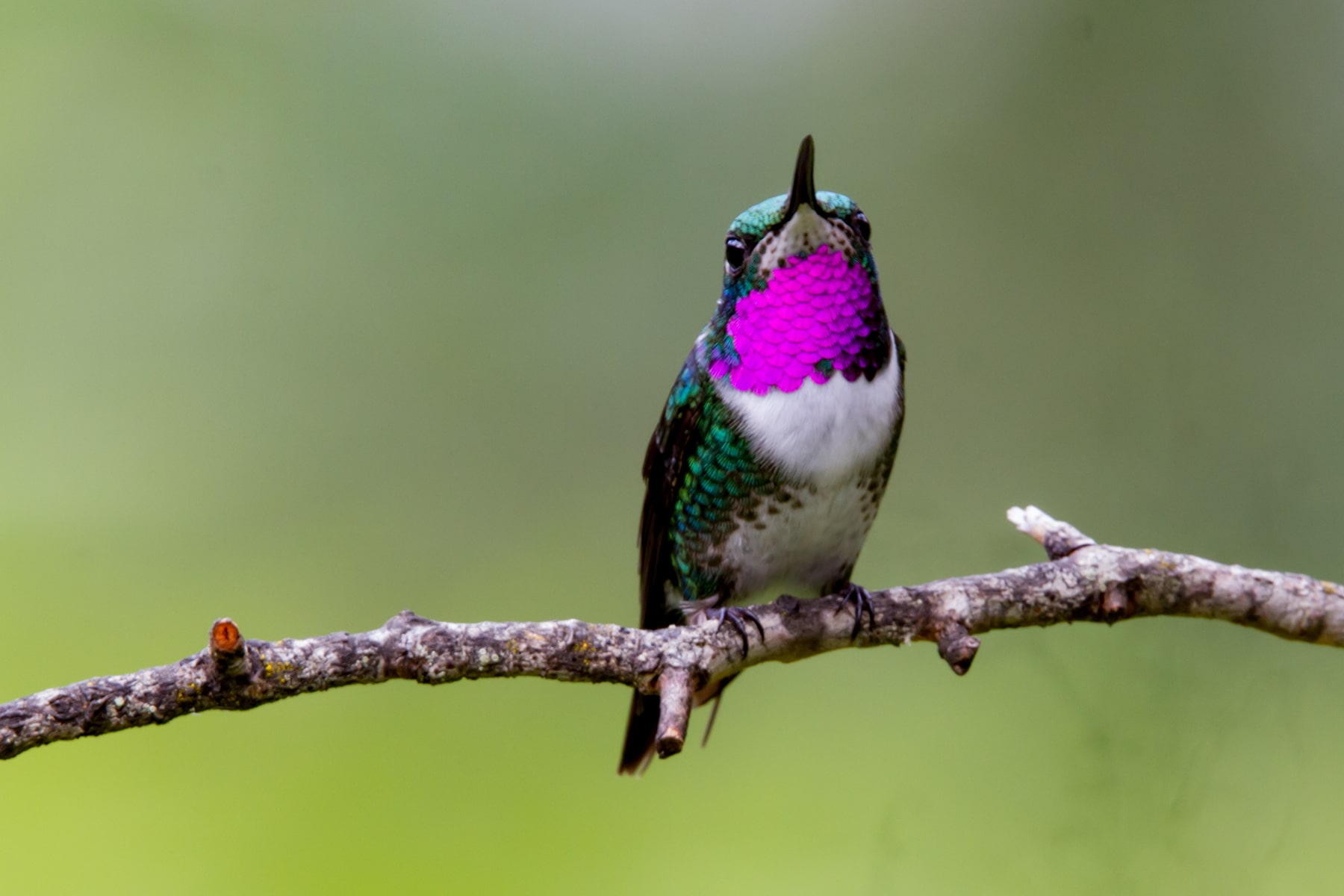
Our adventure begins with a scenic drive into the heart of the Sacred Valley of the Incas. Today is dedicated to the shimmering jewels of the Andes – hummingbirds! We'll spend the day at a specialized Bird Garden, immersing ourselves in the magical world of these tiny aerial acrobats. Prepare your lenses for the incredible Sword-billed Hummingbird, the iridescent Tyrian Metaltail, the elegant Black-tailed Trainbearer, the majestic Great Sapphirewing, and many more, including the Shining Sunbeam, White-tufted Sunbeam, White-bellied Woodstar, Bearded Mountaineer, and Green-and-white Hummingbird.
Day 2: Wayqecha Lodge all day– Raptors and Andean Gems
Today, we journey towards the mystical cloud forests bordering Manu National Park. As we ascend and descend through changing altitudes, keep your eyes peeled for magnificent raptors soaring overhead. We'll be on the lookout for the regal Mountain Caracara, the striking Red-backed Hawk, and the powerful Black-chested Buzzard-Eagle. Our day concludes at the charming Wayquecha Lodge, where the melodic calls of the Yungas Pygmy Owl and the vibrant hues of the Golden-collared Tanager and Grey-breasted Mountain Toucan await.
Day 3: Wayquecha Lodge: Cloud Forest Treasures
A full day dedicated to exploring the rich biodiversity around Wayquecha Lodge. We'll venture along winding roads and serene trails, seeking out the iconic Grey-breasted Mountain Toucan, the dazzling Scarlet-bellied Mountain Tanager, and the Hooded Mountain Tanager. Another chance to capture the extraordinary Sword-billed Hummingbird in this pristine cloud forest environment.
Day 4: Wayqecha Lodge - Cock of the Rock Lodge: Descent into the Cloud Forest – Quetzals and Cock-of-the-Rocks
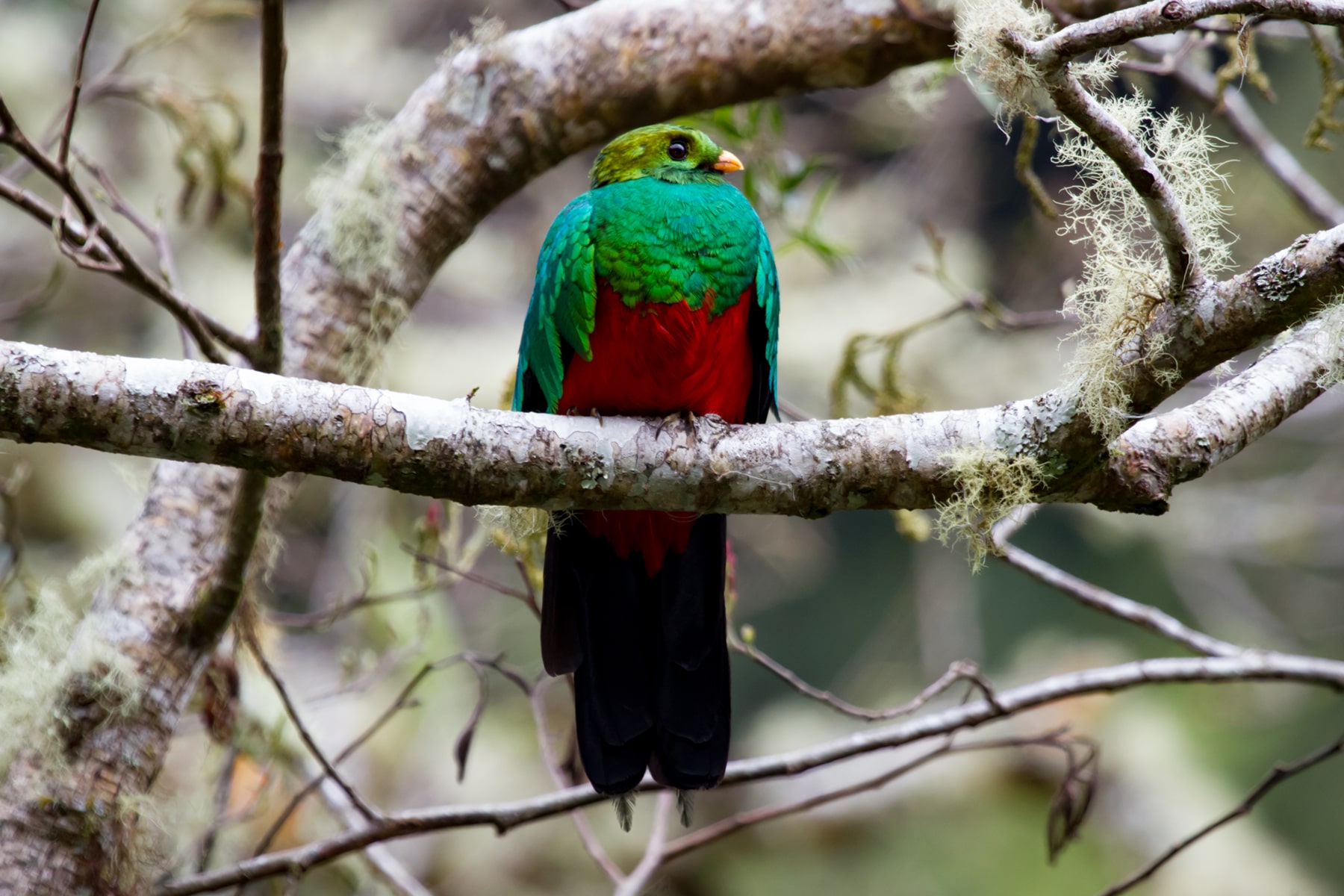
Our journey continues deeper into the cloud forest, descending towards the famed San Pedro Lodge. The road itself becomes a prime photographic spot, offering opportunities to encounter the spectacular Andean Cock-of-the-Rock, the elusive Golden-headed Quetzal, and the captivating Andean Motmot. We may even spot the charming Gray Woolly Monkey swinging through the canopy, alongside the colorful Versicolored Barbet and the enigmatic Andean Potoo.
Day 5: Cock of the Rock Lodge all Day: Andean Cock-of-the-Rock Lek and Tanager Garden Delights
Today is a highlight for many birders as we visit a vibrant lek of the Peruvian National Bird – the Andean Cock-of-the-Rock! Witness their spectacular courtship display as males vie for attention. In the afternoon, we'll explore a dedicated Tanager Garden, a kaleidoscope of colors where numerous tanager species flit among the foliage, alongside more chances to photograph the Golden-headed Quetzal, Crested Quetzal, Andean Motmot, Versicolored Barbet, Green Jay, and Andean Potoo, among other hummingbirds and tanagers.
Day 6: Cock of the Rock Lodge all Day: Quest for the Amazonian Umbrella Bird
Another full day at San Pedro Lodge, with a special mission: to find and photograph the extraordinary Amazonian Umbrella Bird! We'll explore various locations, including the lodge grounds, along the road, and revisiting the Tanager Garden. Keep your camera ready for the unique Peruvian Piedtail, the powerful Black-and-chestnut Eagle, and the striking Blue-banded Toucanet.
Day 7: Cock of the Rock Lodge - Bamboo Lodge: Deeper into the Amazon Basin – Macaws and Woodpeckers
Our journey continues further down the mountain, transitioning into the foothills of the Amazon. The landscape transforms, and with it, the avian inhabitants. We'll capture stunning images along the road, seeking out another opportunity to spot the Amazonian Umbrella Bird, alongside the vibrant Blue-headed Macaw, the charming Chestnut-eared Aracari, and the impressive Red-necked and Crimson-crested Woodpeckers.
Day 8: Bamboo Lodge: Hummingbird Haven at Bamboo Lodge
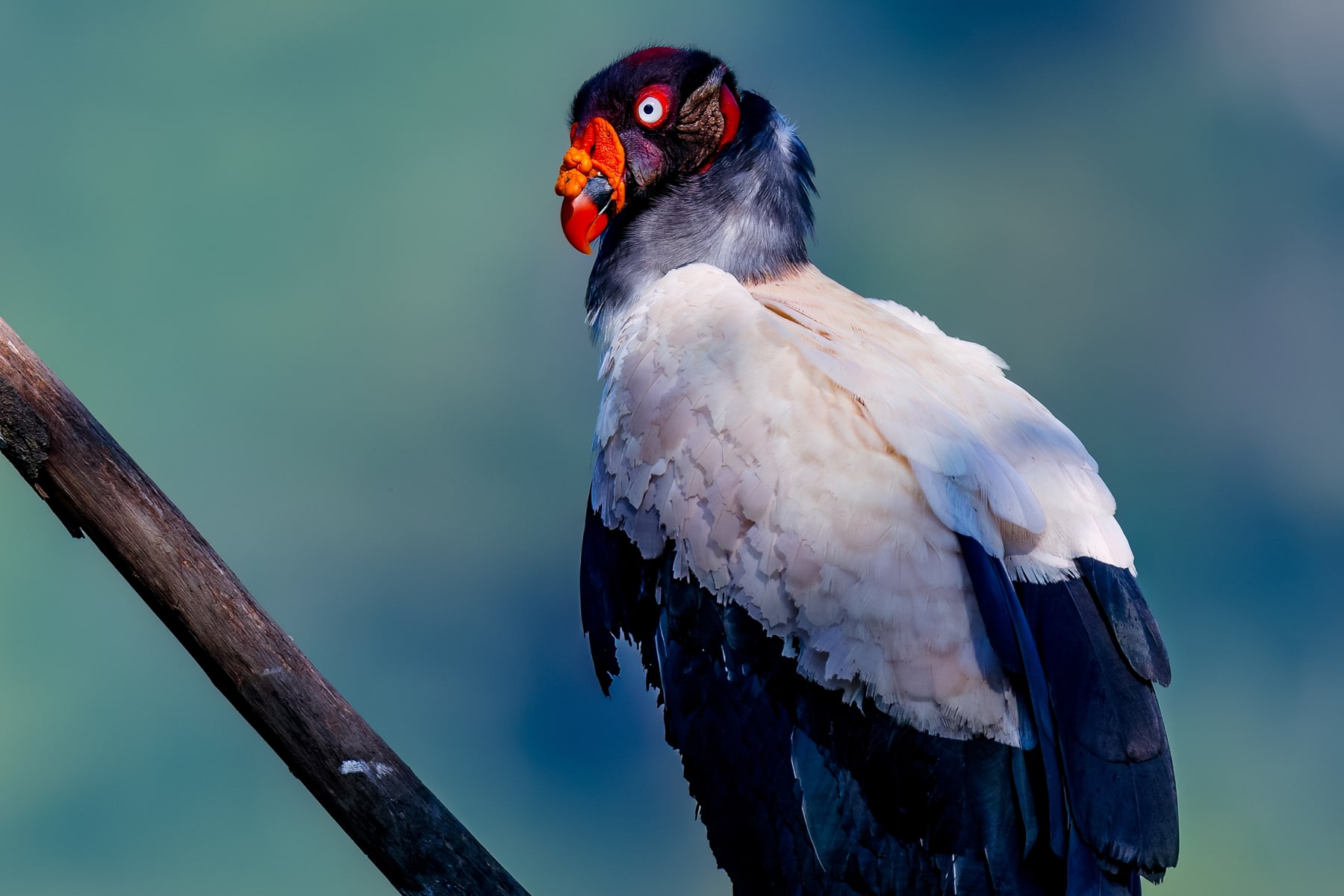
Today brings us to the comfortable Bamboo Lodge and our first dedicated Hummingbird Garden of the lower elevations. Prepare for a flurry of activity as countless hummingbirds dart and feed. We'll also be on the lookout for the remarkably camouflaged Common Potoo, the majestic King Vulture soaring above, and the brilliantly colored Scarlet-hooded Barbet, along with various other hummingbirds, tanagers, and toucans.
Day 9: Bamboo Lodge: A Second Hummingbird Garden and Amazonian Jewels
Another exciting day dedicated to the tiny marvels of the avian world! We'll visit a second hummingbird garden, each offering unique species and photographic opportunities. Be ready for the Lemon-throated Barbet, the vibrant Purple Honeycreeper, Green Honeycreeper, and Golden-collared Honeycreeper. This location is also known for seven species of tanagers, the distinctive Buff-tailed Sicklebill, and the exquisite Rufous-crested Coquette, among others.
Day 10: Bamboo Lodge - Pico de Hoz Lodge: Oxbow Lake Exploration – Hoatzins and Trogons
Today, we delve deeper into the Amazon, heading towards a picturesque oxbow lake near our next accommodation, Pico de Hoz Lodge. This tranquil aquatic ecosystem is a haven for a variety of unique birds. We'll photograph the prehistoric-looking Hoatzin, the striking Horned Screamer, the vibrant Masked Crimson Tanager, and the elusive Black-tailed and Blue-crowned Trogons, along with the distinctive Troupial.
Day 11: Pico de Hoz Lodge – Day and Night Birding
A full day to explore the rich surroundings of Pico de Hoz Lodge. We'll spend the day searching for the delicate Wire-crested Thorntail, the charismatic Round-tailed Manakin, and the vibrant Amazonian Trogon, as well as another chance for the Rufous-crested Coquette. As night falls, an exciting opportunity awaits: nocturnal birding! With the aid of a good camera flash, we'll photograph impressive owls such as the Spectacled Owl, Black-banded Owl, and Tawny-bellied Screech Owl.
Day 12: Pico de Hoz - Farewell to the Amazon – Return to Cusco
After a final morning of Amazonian birding, we begin our scenic journey back to Cusco. Reflect on the incredible diversity of birds and stunning landscapes you've encountered as we arrive back in the ancient Inca capital between 3 pm and 6 pm, filled with cherished memories and a gallery of extraordinary photographs.
- Tour guide in English and Spanish with spotting scope
- Transportation (bus and boat)
- Cook
- Three meals a day
- Mineral water
- All Nights in Lodge
- Fresh fruit
- Snacks
- Rubber boots
- Rain Ponchos
- Entrance fee to Manu National Park
- Entrance fee to all the private Natural Reserves
- First aid kit
EXCLUDED:
- Travel Insurance
- Firs breakfast
- Mineral water in the first day
- Last day Dinner
- Alcoholic beverages
- Tips for the team
I. Camera Gear
Camera Body: Your primary camera. Crucially, consider weather-sealed bodies and lenses if you have them.
Lenses:
Versatile Zoom (e.g., 24-70mm f/2.8 or similar): Good for general shots, group photos, and environmental portraits.
Telephoto Zoom (e.g., 70-200mm f/2.8 or 100-400mm): Absolutely essential for wildlife (monkeys, birds, sloths, insects) in the dense canopy. A fast aperture (f/2.8-f/4) will be helpful in lower light.
Wide-angle lens (e.g., 14-24mm, 16-35mm): For sweeping rainforest vistas, large trees, and astrophotography if you get clear skies at night (which can be rare in some areas).
Macro Lens (e.g., 100mm macro): Highly recommended for the incredible insects, amphibians, and flora you'll encounter, especially at night.
Fast Prime Lens (e.g., 35mm f/1.4, 50mm f/1.8): Excellent for low-light jungle interiors and available light shots of creatures.
Tripod: Still essential for night photography, long exposures (e.g., misty waterfalls, star trails), and sharp macro shots. Choose one that's relatively lightweight and easy to carry on uneven terrain.
Extra Batteries: At least 3-4 fully charged spares. Humidity can affect battery life, and charging opportunities might be limited.
Memory Cards: Multiple high-capacity, fast memory cards. Consider bringing a waterproof memory card case.
Remote Shutter Release: Essential for long exposures and preventing camera shake, especially when shooting macro.
Headlamp/Flashlight:
With red light option: For night hikes and not disturbing nocturnal creatures or your group's night vision.
Brightness: A brighter main beam will be useful for spotting wildlife from a distance.
Spares/extra batteries.
II. Protection Against the Elements (CRITICAL in Rainforest)
Rain Covers for Camera & Lens: ABSOLUTELY ESSENTIAL. Not just for rain, but also for general humidity and mist. Consider dedicated professional covers like Think Tank Hydrophobia or cheaper plastic ones like Op/Tech Rainsleeves.
Dry Bags: Multiple sizes for your camera body, lenses, and sensitive electronics. You want to create multiple layers of protection within your camera bag.
Moisture Absorbers/Silica Gel Packs: Pack plenty of these. Place them inside your camera bag, lens cases, and even sealed plastic bags with your gear to combat humidity and prevent fungal growth. Rechargeable ones are great.
Weather-Sealed Camera Bag: A backpack designed for outdoor use with good weather resistance is crucial. Look for a built-in rain cover.
Lens Hoods: Always on to protect the front element from rain, drips, and accidental bumps.
III. Cleaning and Maintenance (Extra Vigilance Required)
Lens Cleaning Cloths: Many! They will get damp and dirty.
Lens Pen/Brush & Rocket Blower: For dust and water droplets.
Sensor Cleaning Kit: The humidity can attract dust. Know how to use it or be extra careful when changing lenses.
Microfiber Towels: For wiping down gear and yourself. They dry quicker than cotton.
IV. Personal Comfort & Safety (Even More Important)
Clothing:
Lightweight, fast-drying, breathable fabrics: Synthetics or quick-dry cotton blends. Avoid heavy cotton or denim.
Long sleeves and long pants: Protection against insects, scratches, and sun. Choose light colors if possible.
Rain Jacket & Pants: Lightweight, breathable, and waterproof (not just water-resistant).
Swimsuit: For river dips or lodge pools.
Hat: Wide-brimmed for sun protection, or a baseball cap.
Footwear:
Waterproof hiking boots (broken in!): With good ankle support and grip for muddy, slippery trails.
Waterproof sandals/river shoes (e.g., Chacos, Tevas): For comfort around the lodge or crossing shallow streams.
Plenty of Socks: Fast-drying, moisture-wicking socks. Bring several pairs as they'll get wet.
Insect Repellent: High-DEET or picaridin-based for mosquitoes and other biting insects. Apply frequently.
Sun Protection: Sunscreen (even under cloudy skies), sunglasses.
First-Aid Kit: Comprehensive! Include:
- Basic wound care (band-aids, antiseptic wipes)
- Pain relievers
- Anti-diarrhea medication
- Allergy medication
- Topical anti-itch cream for bites
- Prescription medications
Hydration:
Reusable Water Bottle: Carry plenty of water.
Water Purification Tablets/Filter (optional, but good backup): If you'll be venturing far from reliable water sources.
Small Daypack: Waterproof or with a good rain cover for daily excursions, snacks, water, and essentials.
Power Bank/Portable Charger: For phone and other devices. Solar chargers can be hit-or-miss under dense canopy.
Zip-lock Bags: Various sizes, for everything from phone protection to separating wet clothes.
Small Towel: Quick-dry travel towel.
Personal Toiletries: Biodegradable options where possible.
Binoculars (optional): Great for spotting wildlife before you get your camera out.
Leatherman/Multi-tool: Always handy.
V. Optional (But Recommended) Extras for Rainforest Specifics
Flash for Macro/Night Photography: A dedicated flash (with diffuser) can be incredibly useful for illuminating tiny subjects in the dark or under dense canopy.
Diffusers/Reflectors: Small, collapsible ones for macro photography to soften harsh light or add fill light.
Portable Hard Drive/Laptop: For backing up photos. Ensure it's in a dry bag!
Field Guide to Peruvian Wildlife/Birds: To help identify what you're seeing.
Snacks: Energy bars, dried fruit.
Pre-Trip Checklist:
Test all gear: Ensure it's working perfectly before you go.
Practice with rain covers/dry bags: Get comfortable sealing and unsealing them quickly.
Immunizations/Health Advice: Consult your doctor about required or recommended vaccinations for Peru.
The rainforest is an incredible place for photography, but it demands careful preparation. Expect to get damp, muddy, and mosquito-bitten, but the rewards are spectacular!
Peru, with its incredible biodiversity, offers fantastic bird photography opportunities year-round, but the "best" time can depend on what specific types of birds you're hoping to capture and which regions you plan to visit.
Here's a breakdown by region and season:
General Considerations:
Dry Season (May - October): Generally considered the most comfortable time to visit Peru, especially for trekking and Amazon jungle exploration. Less rain means easier travel and trails, and rivers are lower, which can concentrate birds near water sources. Skies are often clearer for photography.
Wet Season (November - April): While wetter, this season brings lush greenery, and many bird species are in breeding plumage and more active with nesting. Some areas, particularly in the Amazon, might be less accessible due to higher water levels, but other areas like the cloud forest can be very rewarding.
By Region:
1- Amazon Rainforest (e.g., Tambopata, Manu, Iquitos):
Dry Season (May - October): This is often recommended as the best time.
Pros: Easier travel on trails, lower mosquito numbers, more predictable weather, rivers are lower, potentially concentrating birds along banks and oxbow lakes. Clay licks for macaws and parrots are very active.
Cons: Can be hotter and drier.
Wet Season (November - April):
Pros: Lush vegetation, many species in breeding plumage, high insect activity (food source for birds), migratory birds may be present.
Cons: Higher rainfall can make photography challenging, trails can be muddy, some areas might be flooded, higher mosquito numbers.
Recommendation: For first-timers aiming for ease of travel and iconic macaw licks, the dry season (June-September) is often ideal. If you're an experienced birder looking for specific breeding behaviors and don't mind the rain, the wet season can also be productive.
2- Andes Mountains & Cloud Forest (e.g., Machu Picchu, Abra Malaga, Manu Road, Cock-of-the-Rock Lodge):
Dry Season (May - October):
Pros: Clearer skies, less fog (especially important in cloud forest for visibility), easier access to high-altitude areas. Good for raptors and high-Andean species.
Cons: Can be very cold at high altitudes.
Wet Season (November - April):
Pros: This can be a fantastic time for the cloud forest! Increased humidity leads to more flowering plants, attracting hummingbirds, tanagers, and other fruit-eaters. Many species are breeding. Fog can create atmospheric shots.
Cons: Heavy rainfall, frequent fog can obscure views, trails can be slippery.
Recommendation: The shoulder months (April-May and October-November) can offer a good balance of less rain and active birdlife. The wet season (especially December-March) is excellent for cloud forest hummingbirds and tanagers, provided you are prepared for rain.
3- Coastal Regions (e.g., Paracas, Lima area, Pantanos de Villa):
Year-round: Coastal areas have resident birds and migratory visitors that vary throughout the year.
Summer (December - April): Warmer, good for resident coastal species.
Winter (May - November): Cooler, often cloudy ("garúa" or mist in Lima), but this is when many migratory shorebirds and seabirds arrive from North America.
Recommendation: For diverse seabirds and shorebirds, the Southern Hemisphere winter (May-November) is often best, especially for observing migrations.
Specific Bird Targets:
Andean Cock-of-the-Rock: Active at leks year-round, but often more so during the breeding season (wet season).
Hummingbirds: Abundant year-round in cloud forests, but specific species might peak with certain flowering cycles. The wet season often brings more activity.
Macaws & Parrots: Clay licks in the Amazon are most active during the dry season.
High-Andean Endemics: Often easier to spot in the drier, clearer months.
Conclusion:
For a general trip encompassing diverse habitats with relative ease of travel, the dry season (June to September) is often the safest bet. However, if your focus is specifically on cloud forest hummingbirds, breeding plumage, or migratory shorebirds, you might consider the wet season or shoulder months.
Always check specific forecasts and conditions for the exact regions you plan to visit, as microclimates can vary greatly!
Hotels normally offer free storage if yours doesn’t we will be very happy to store your luggage for you.

Write A Review
Tour Price
- 1 Person $6,200
- 2 People $4,200
- 3+ People $3,600
Recommended by