All you need to know before travel with us
The Peruvian herpetofauna
🦎 Reptiles & Amphibians of Peru
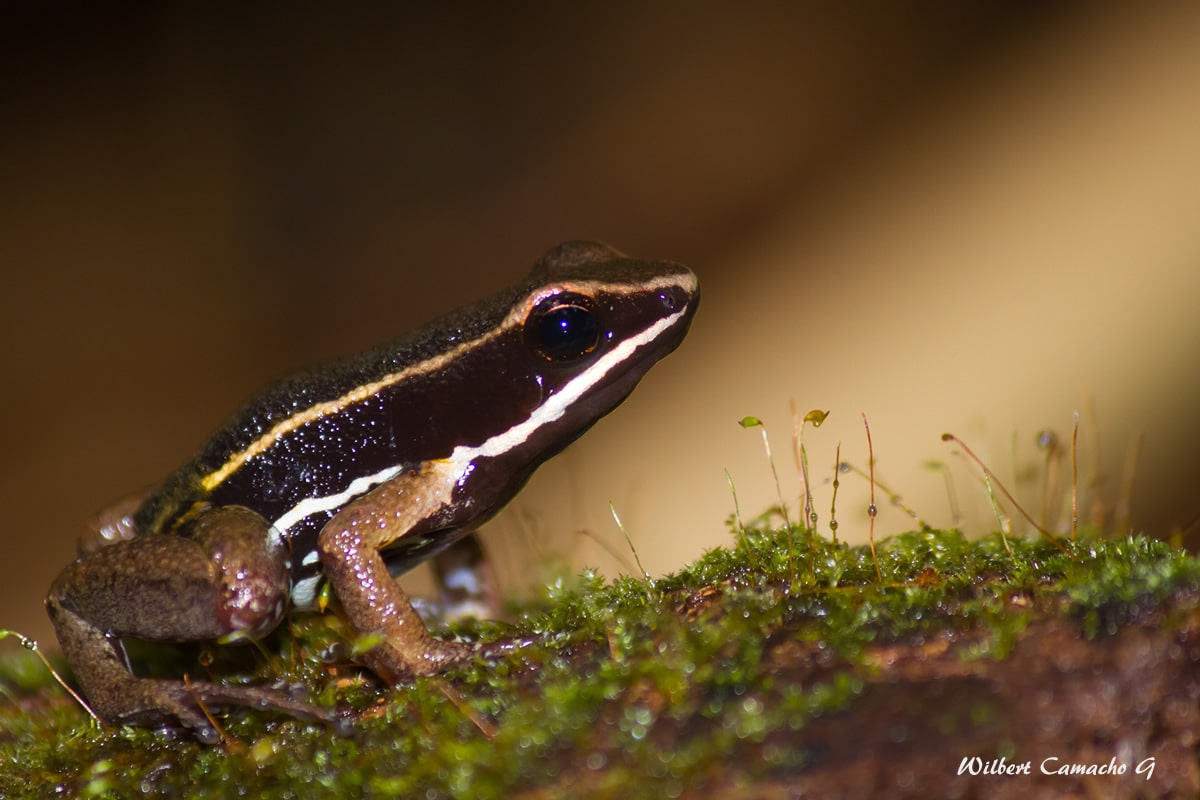
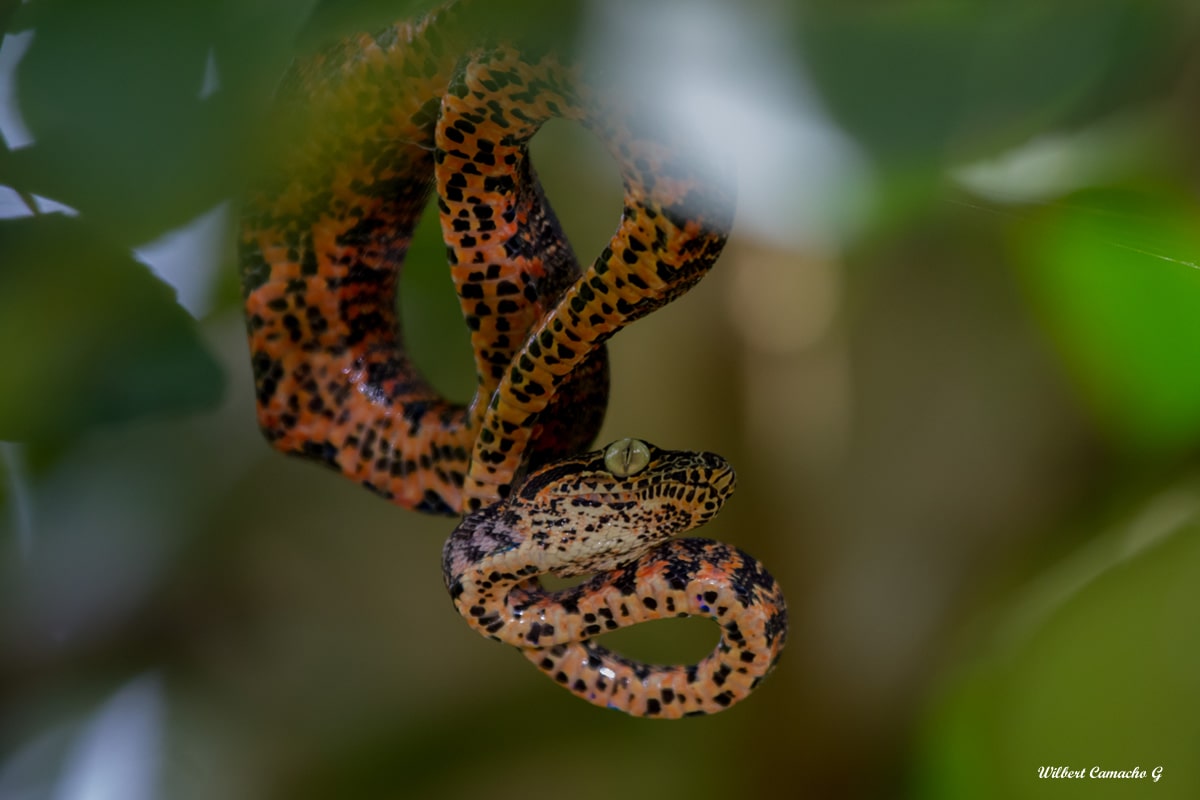
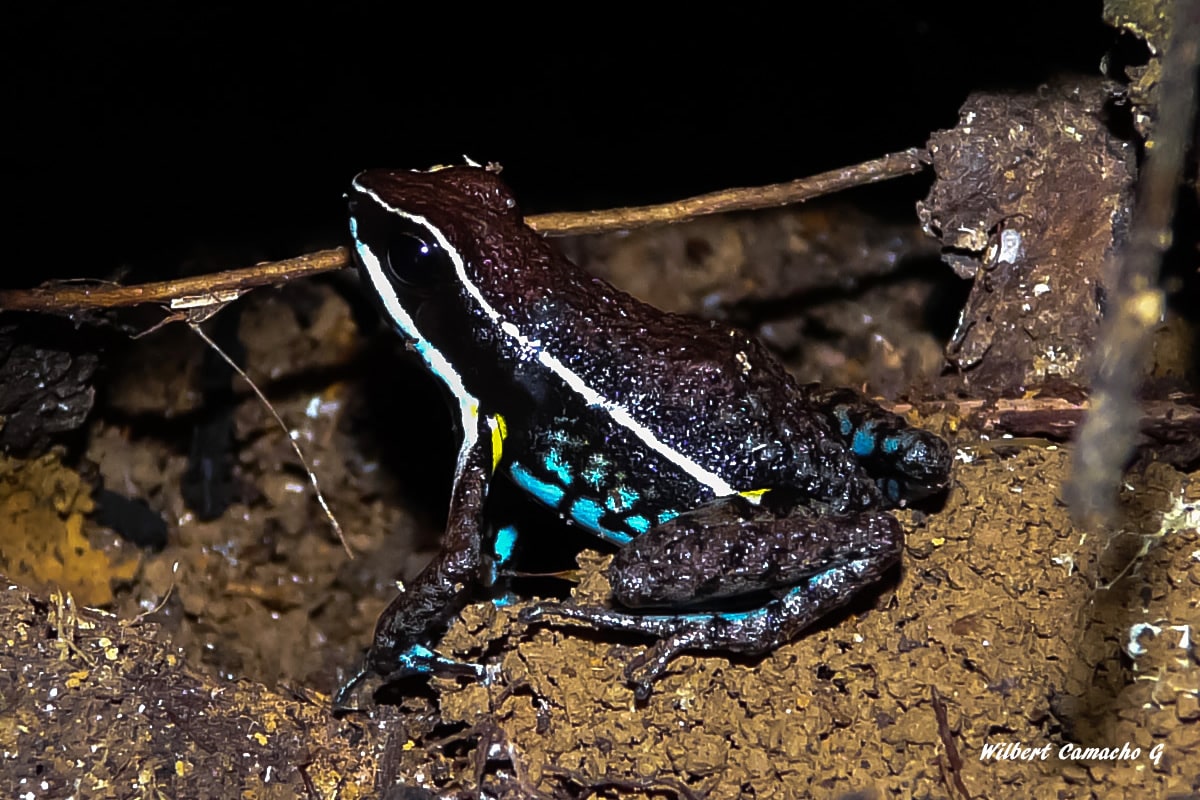
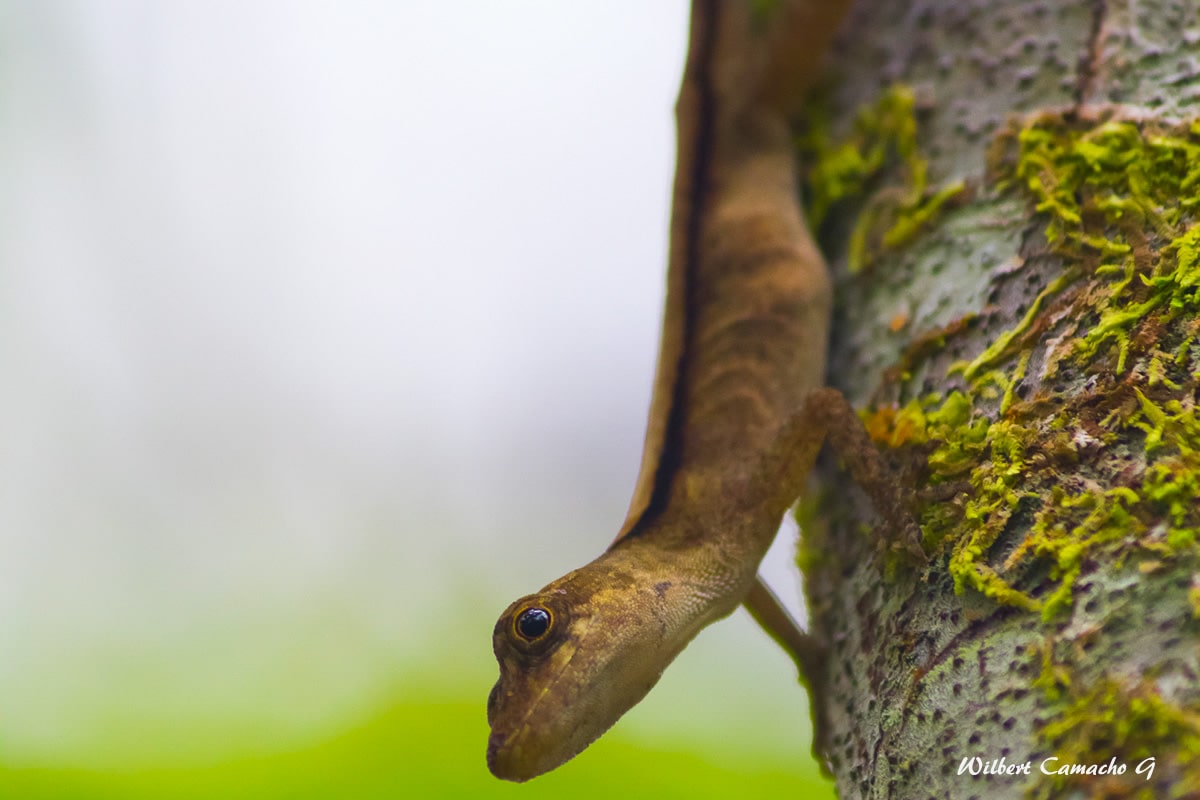
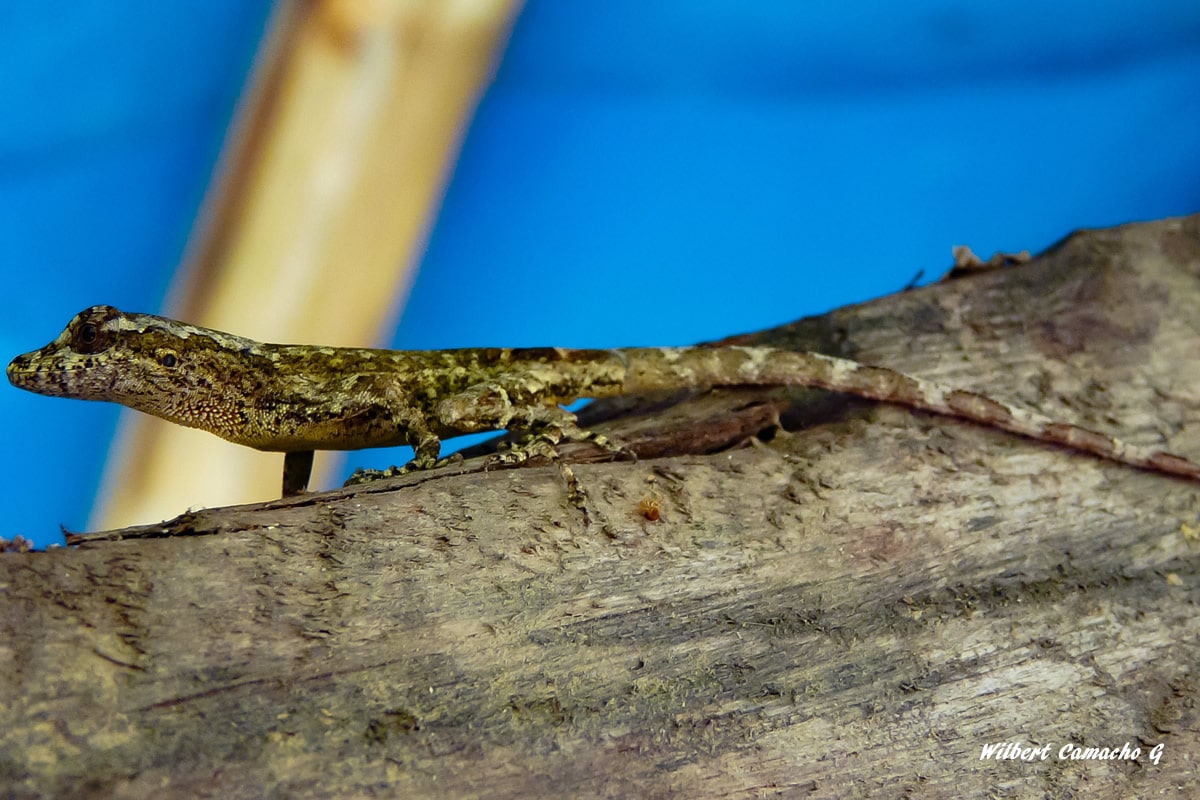
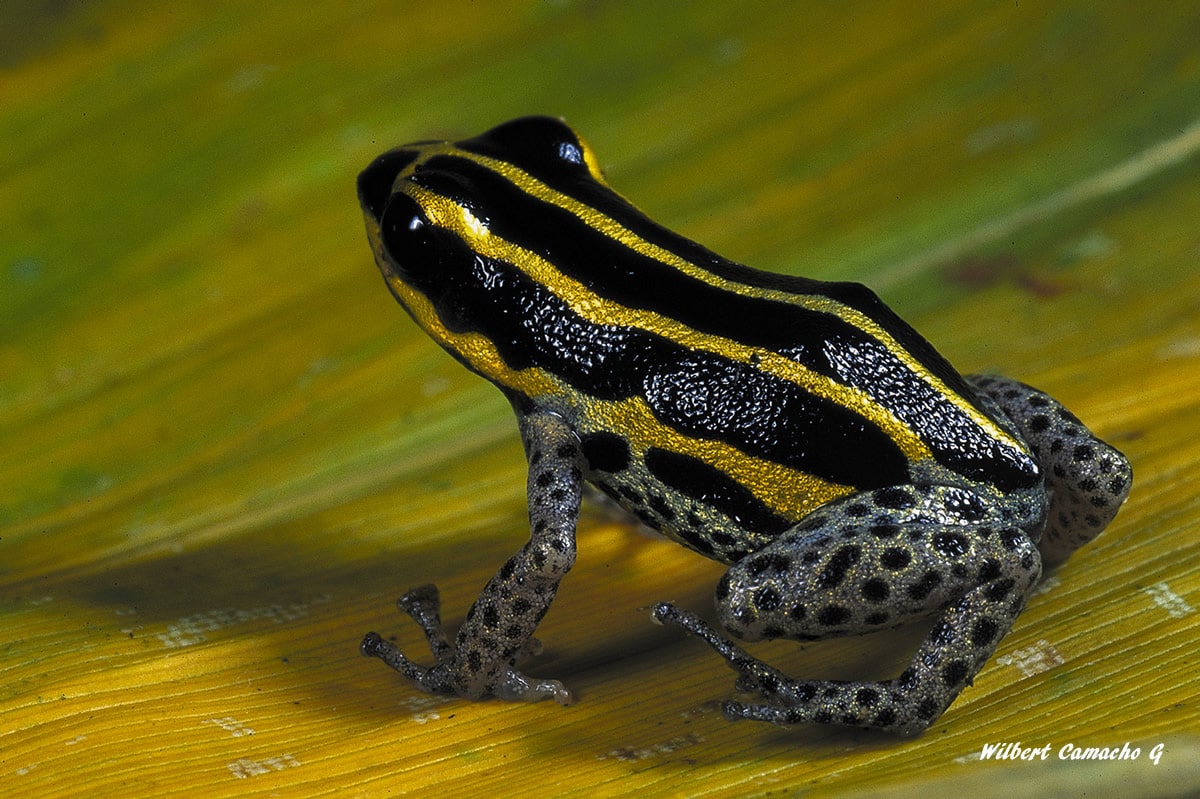
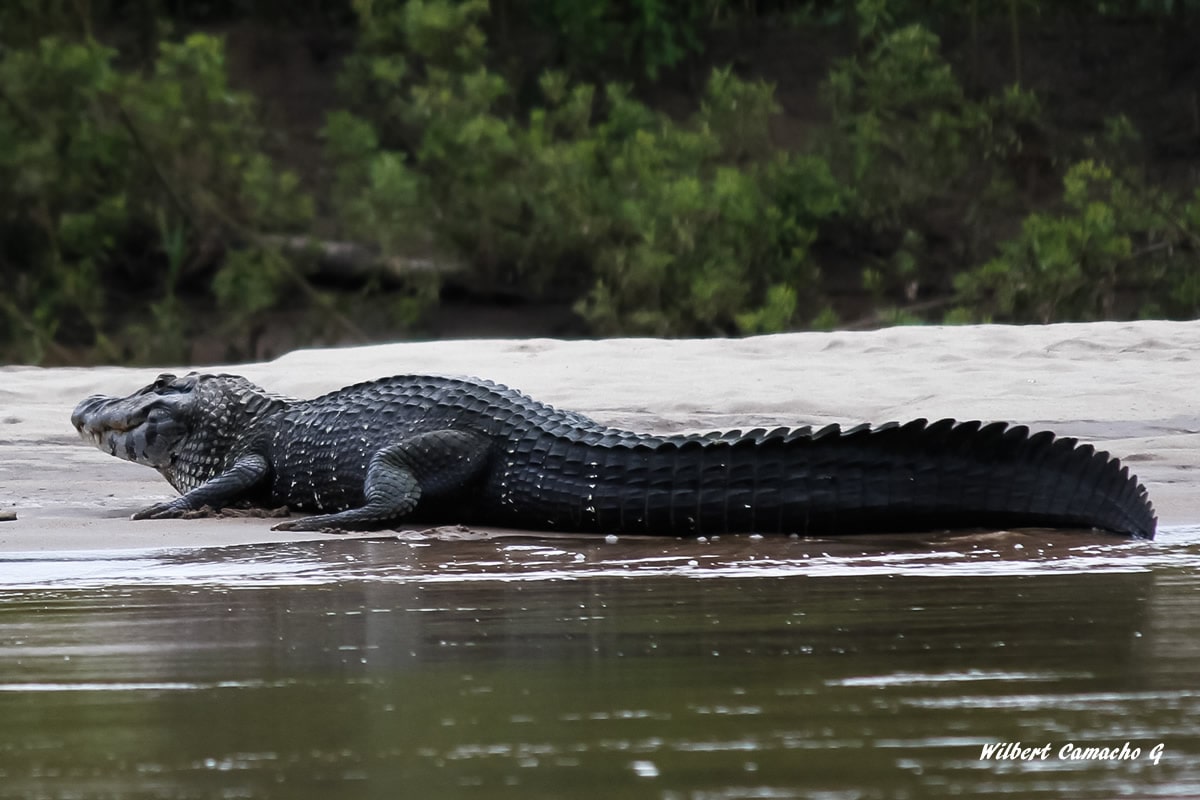
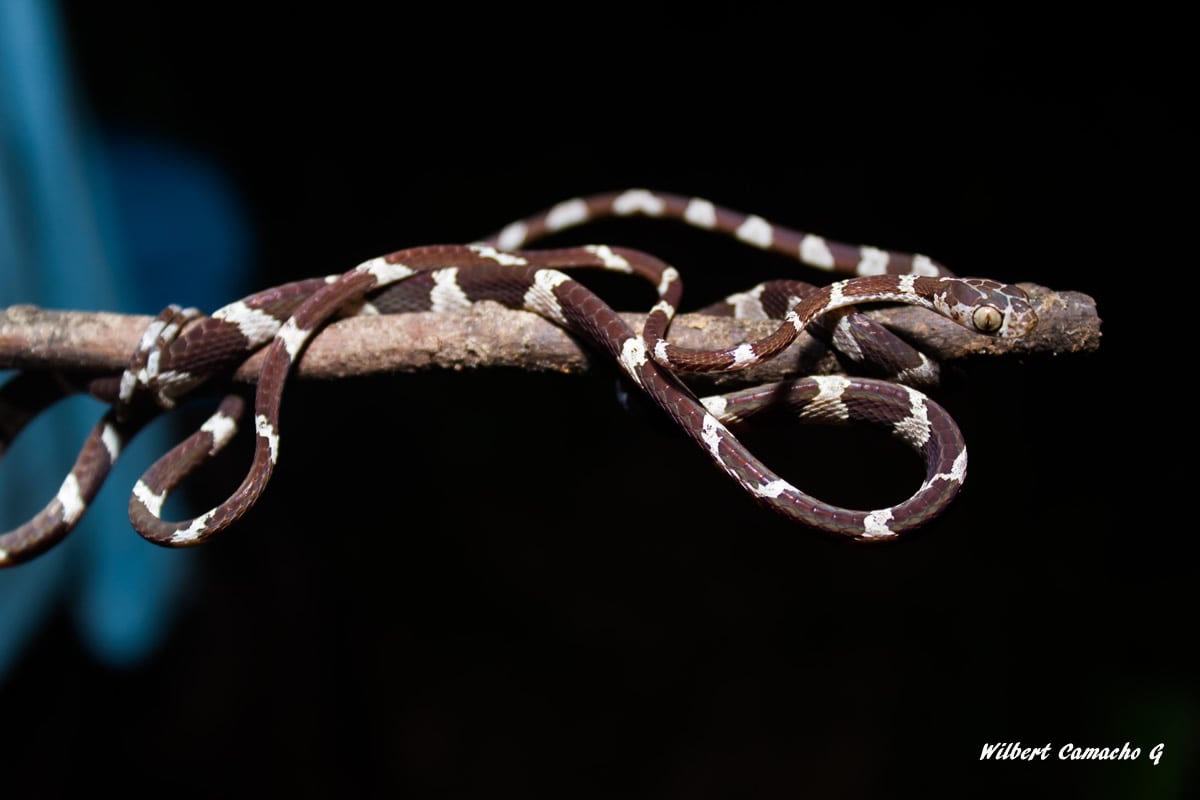
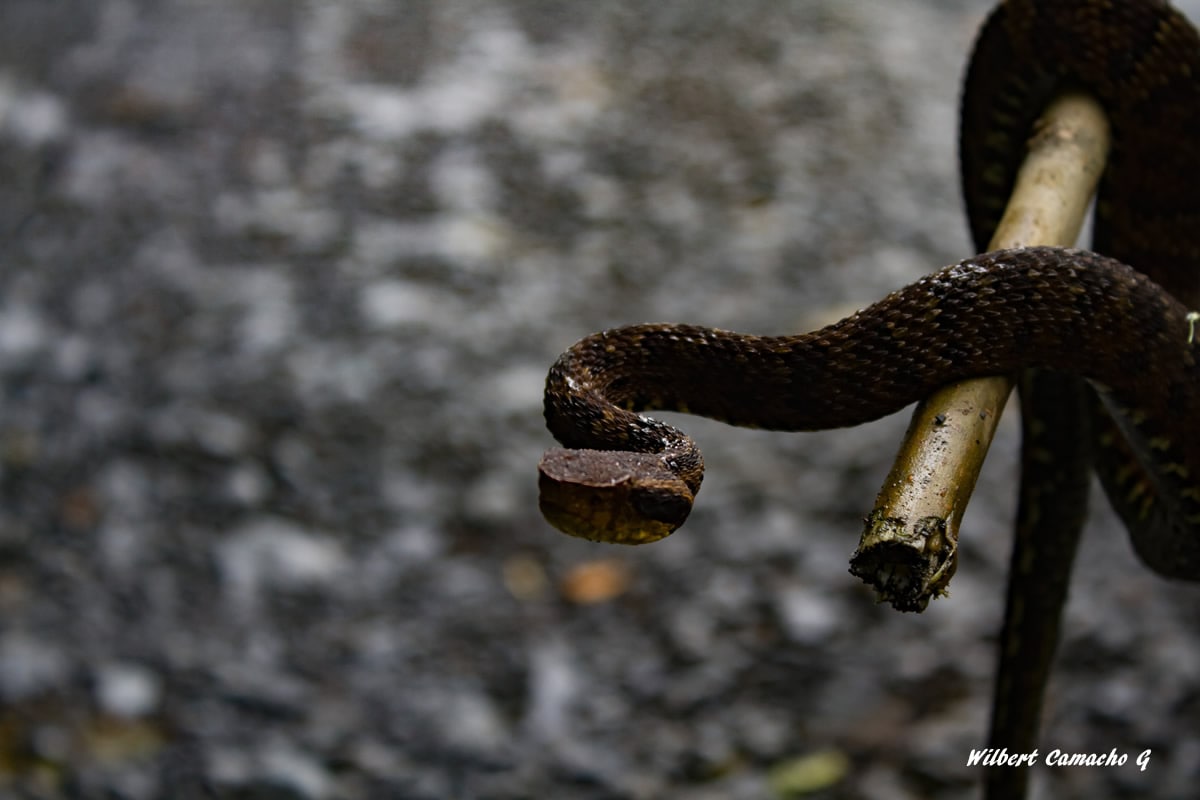
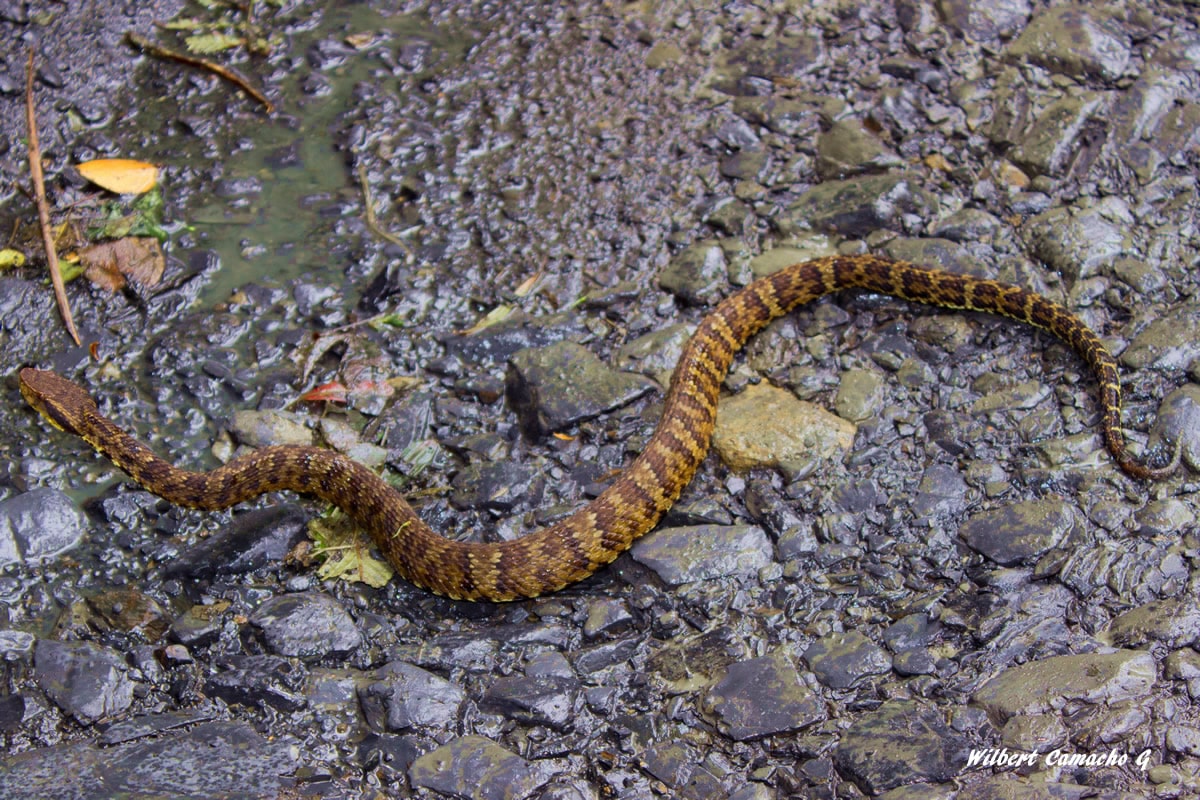
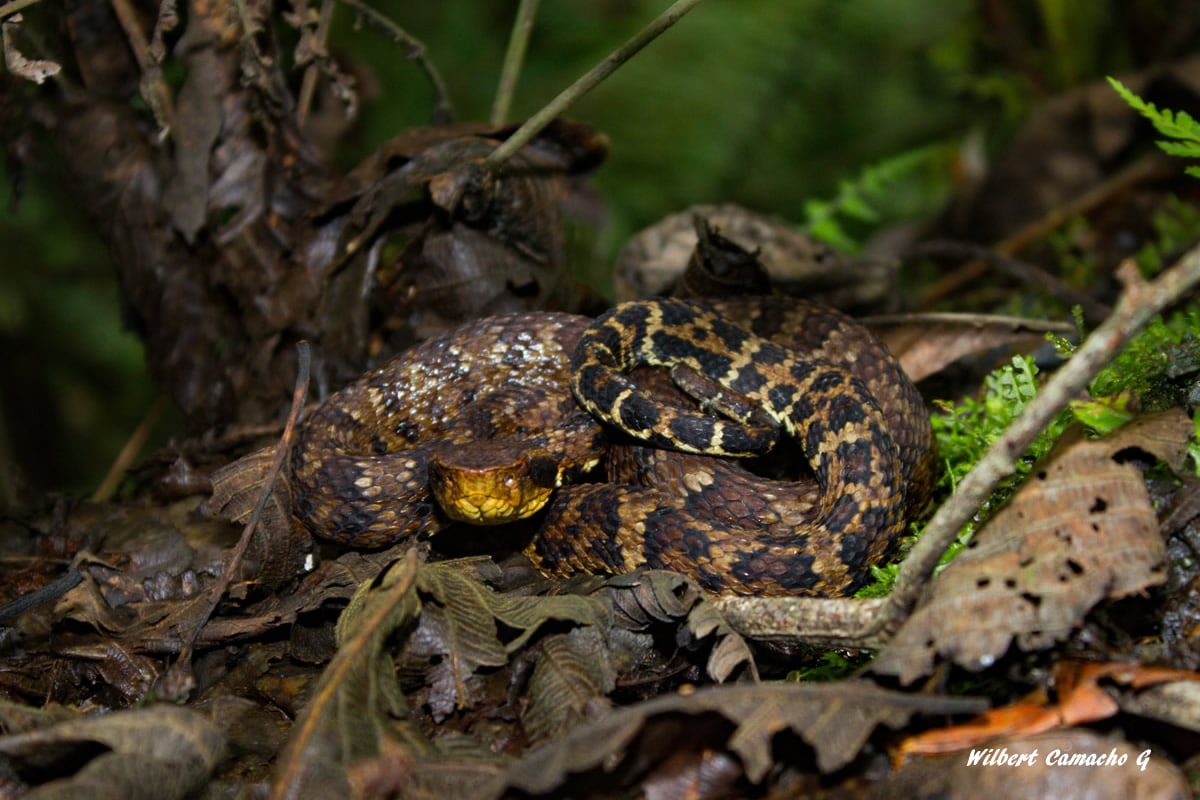
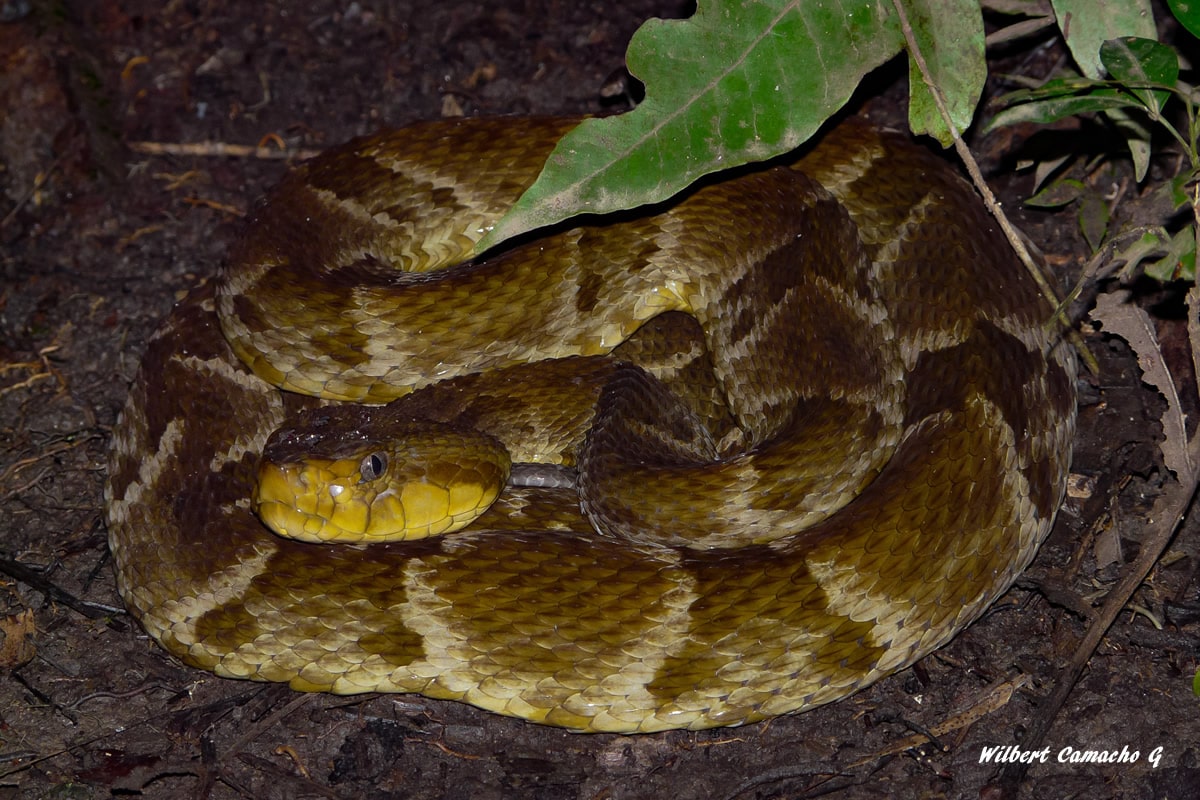
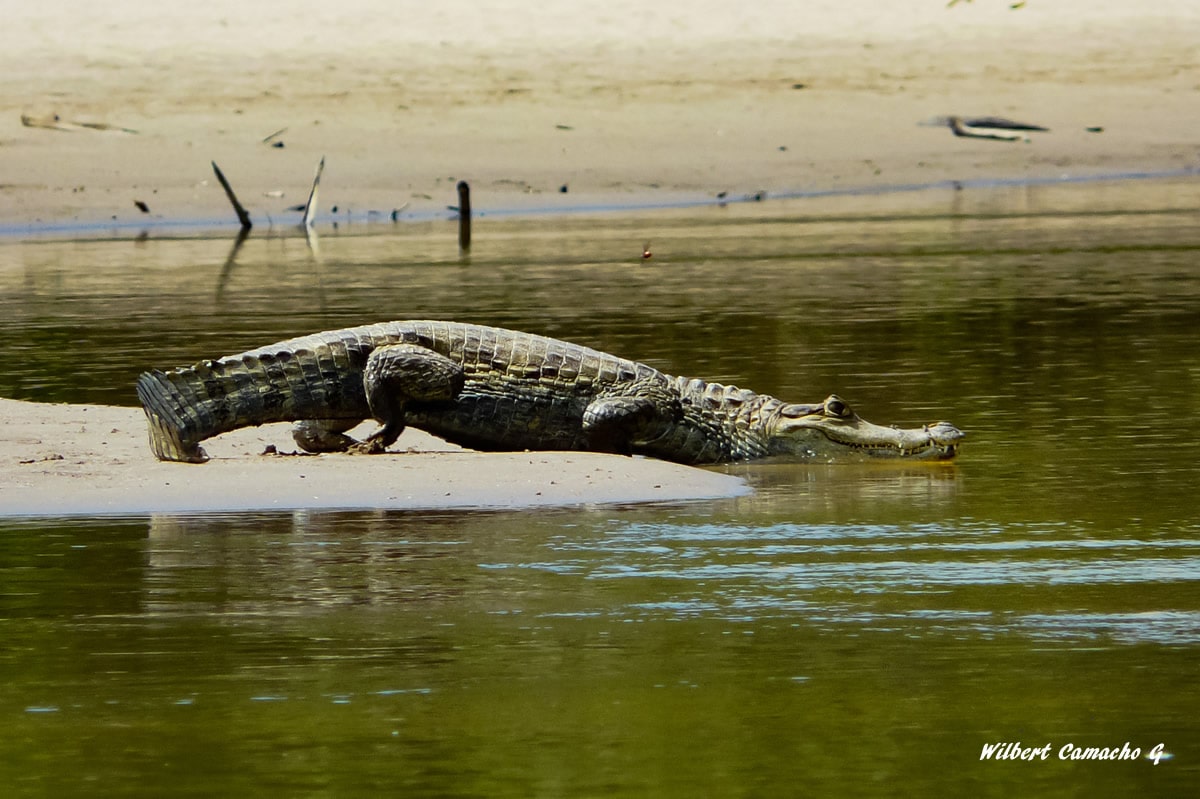
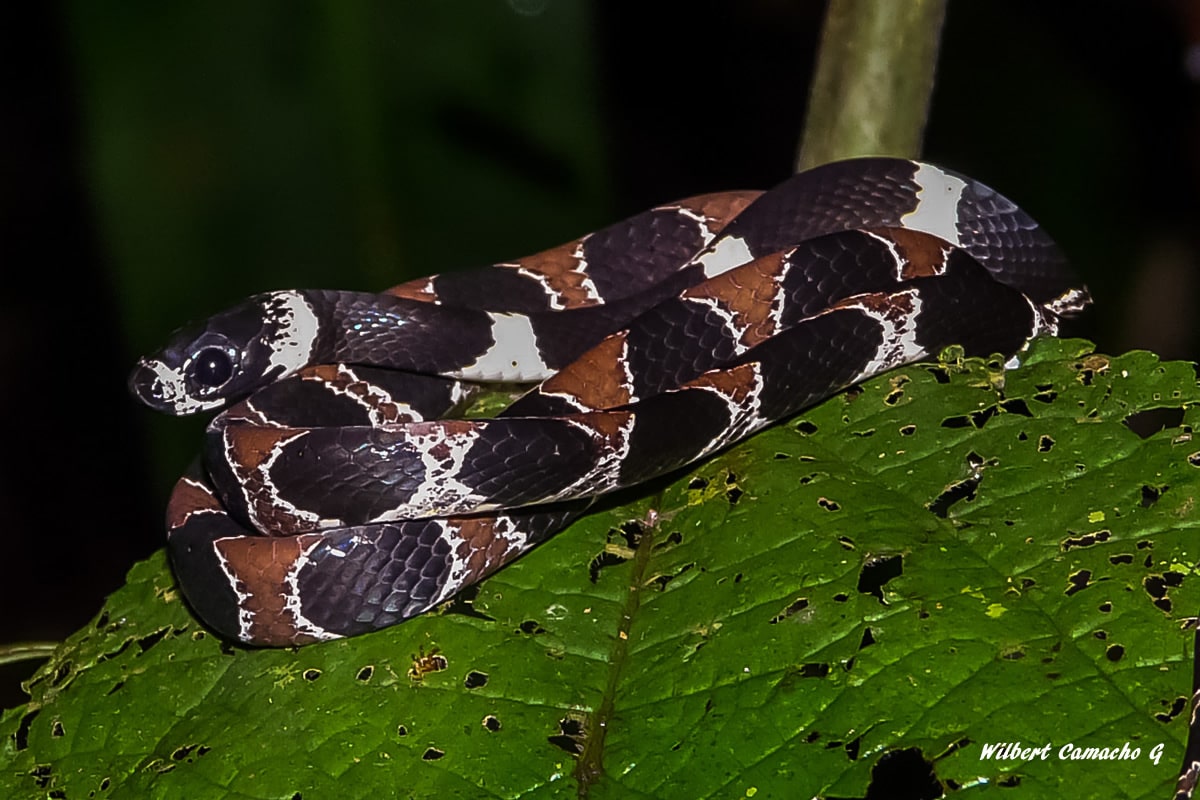
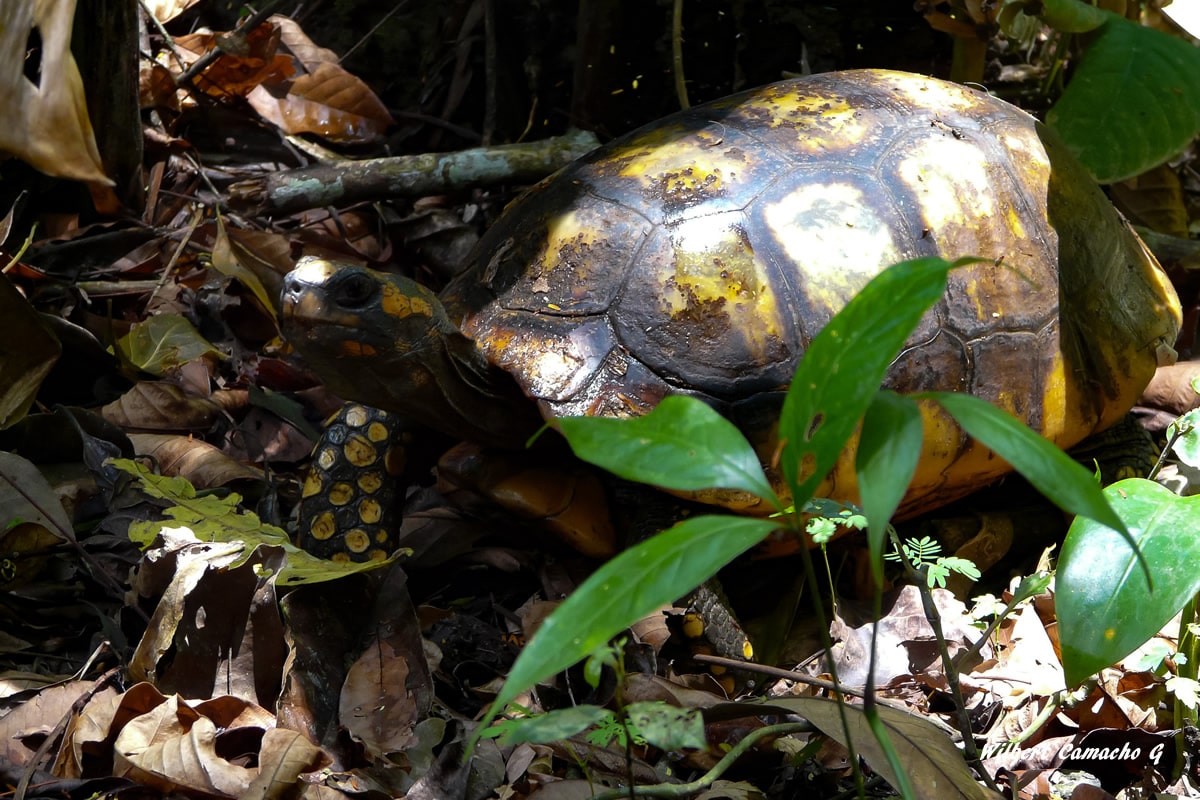
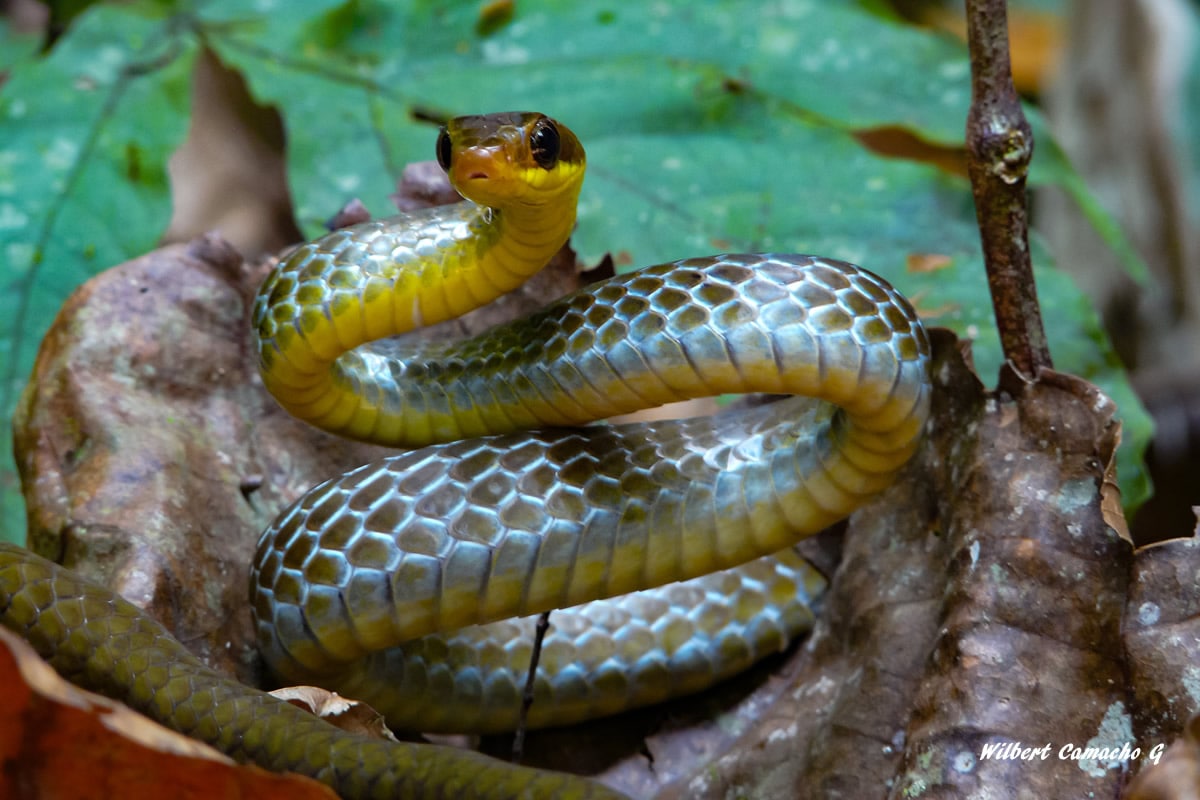
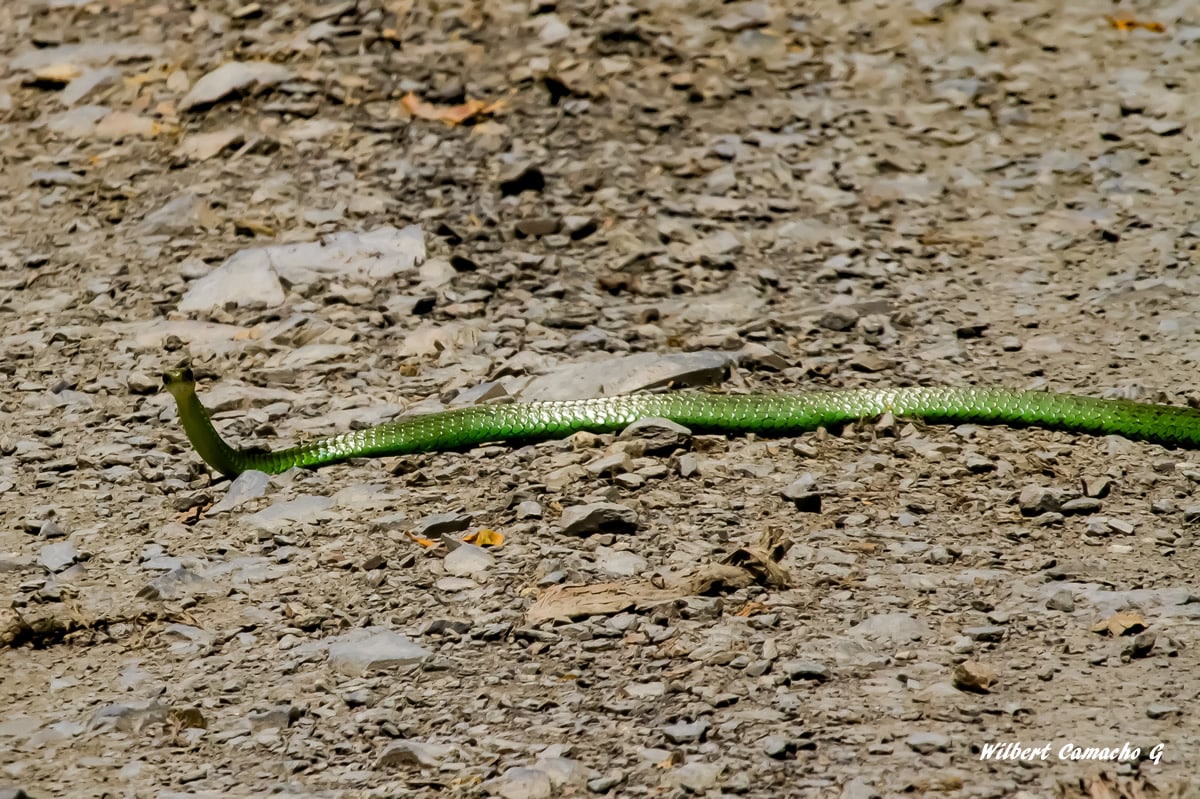
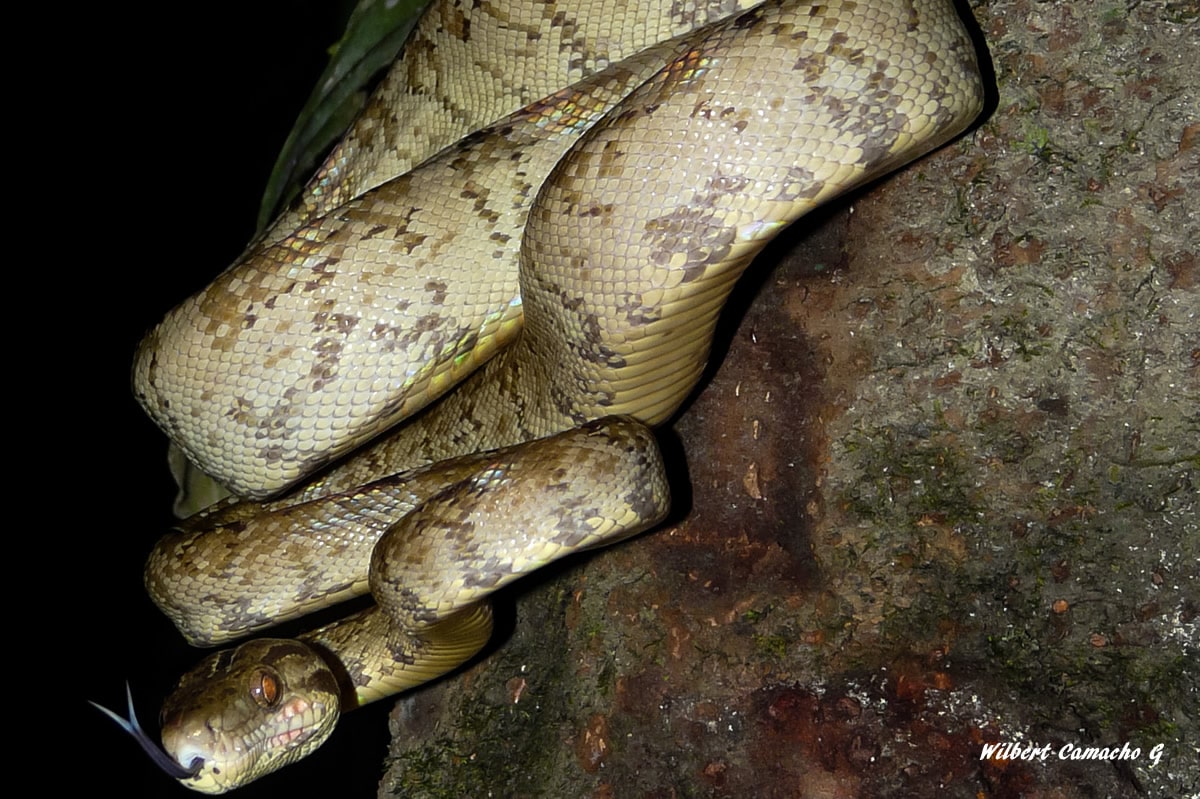
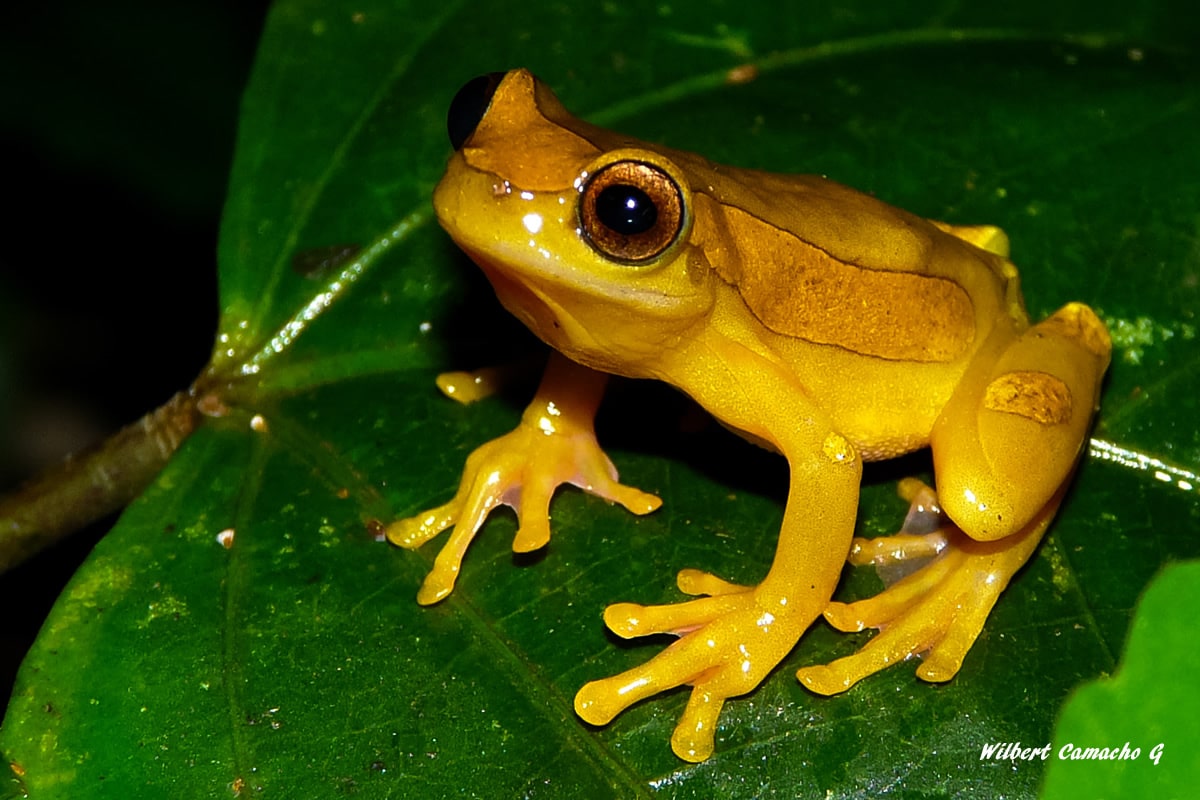
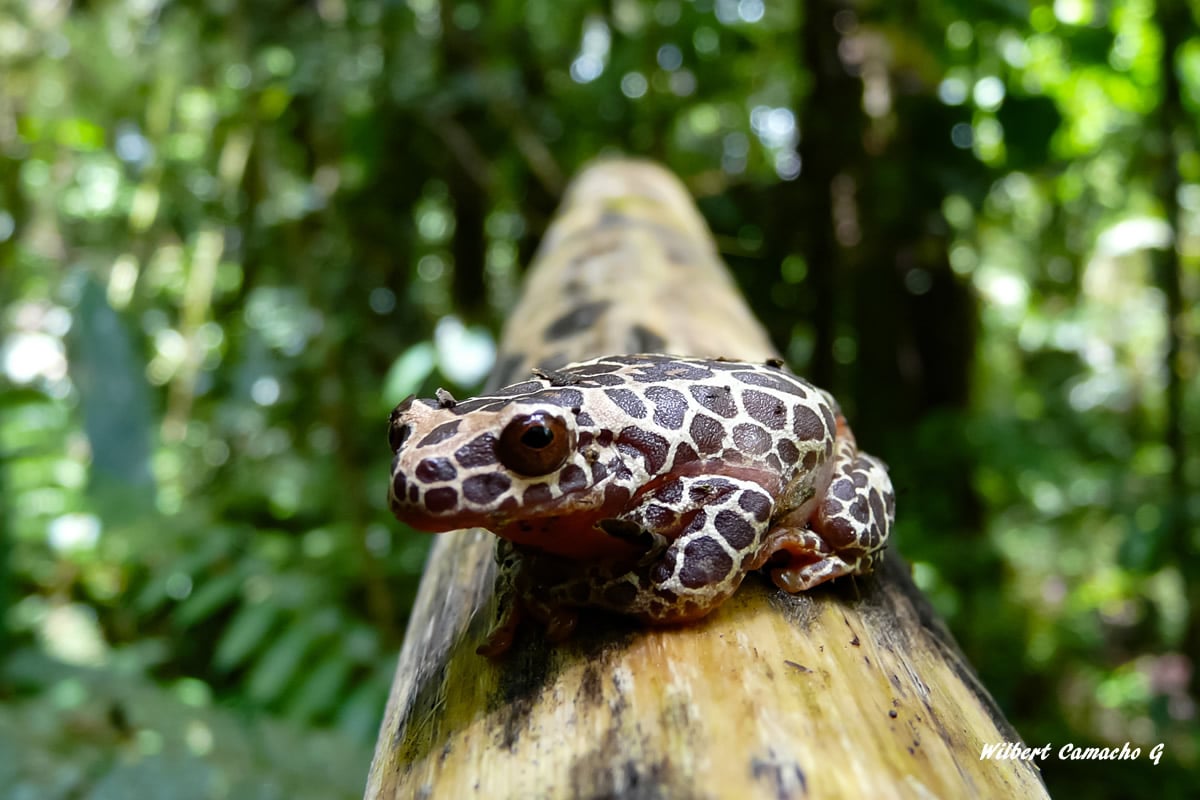
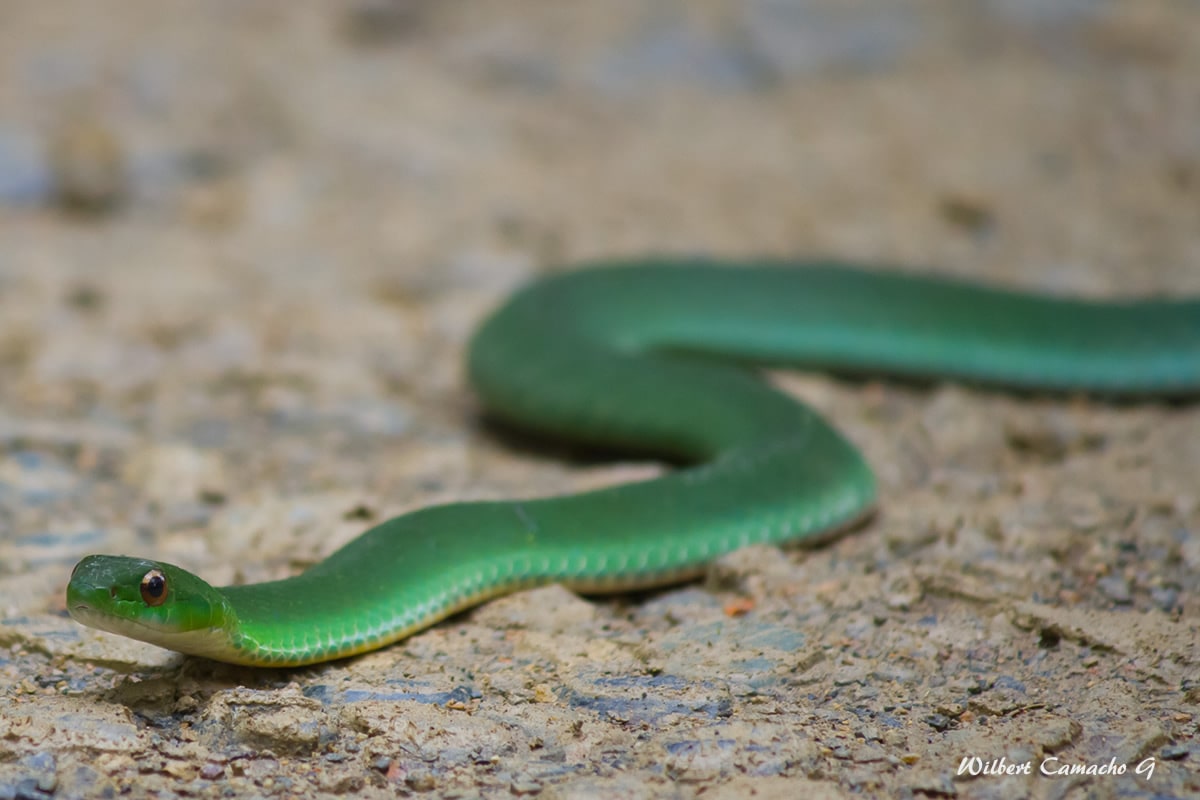
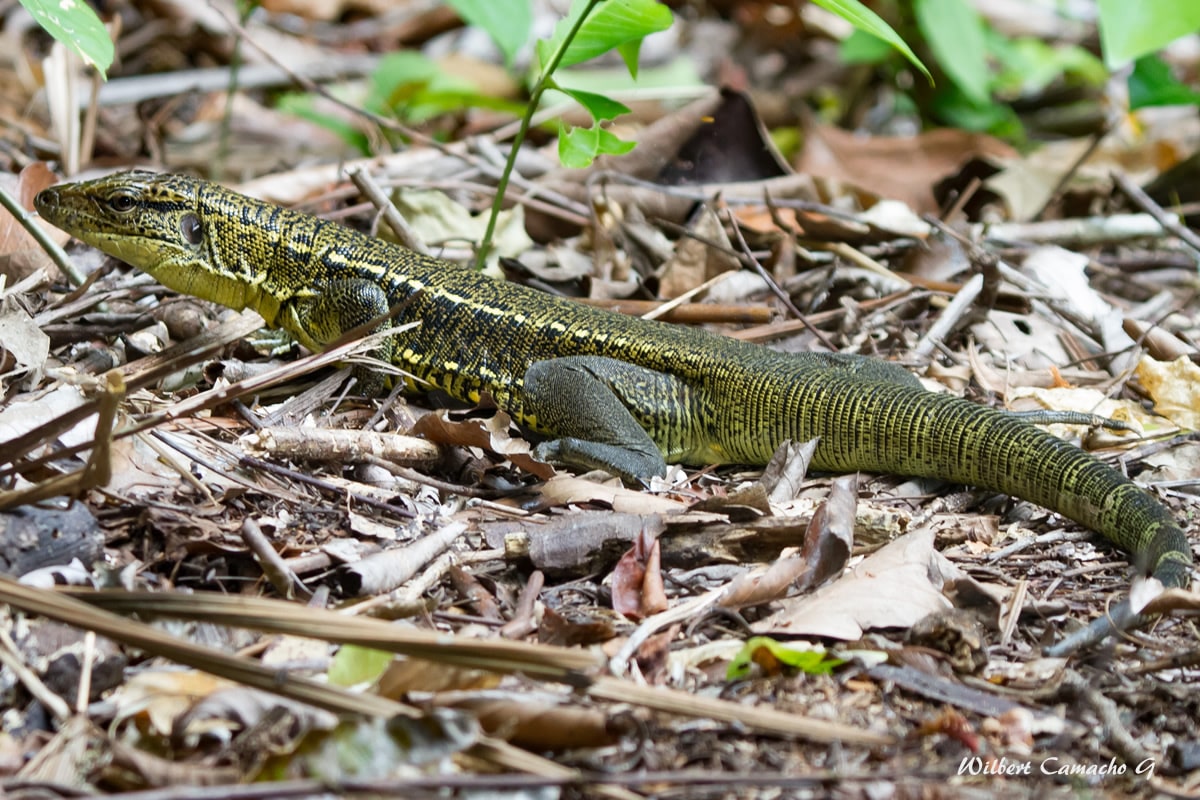
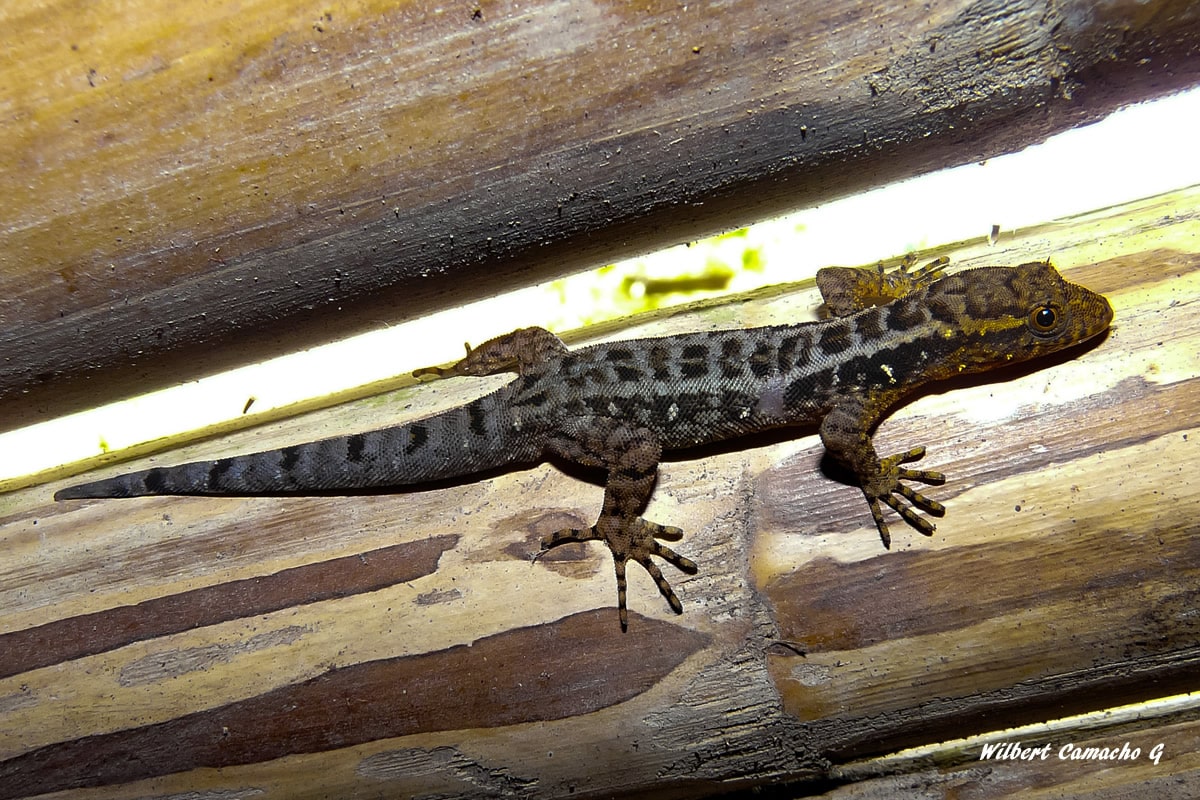
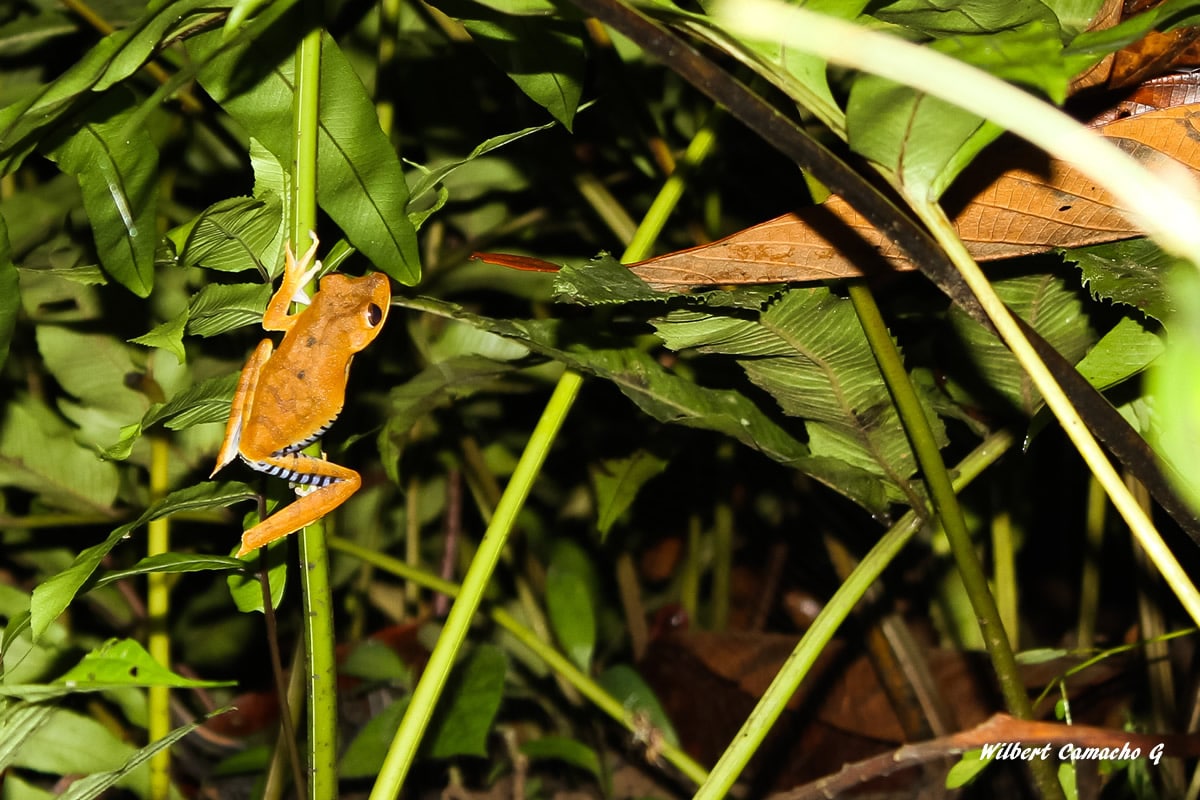
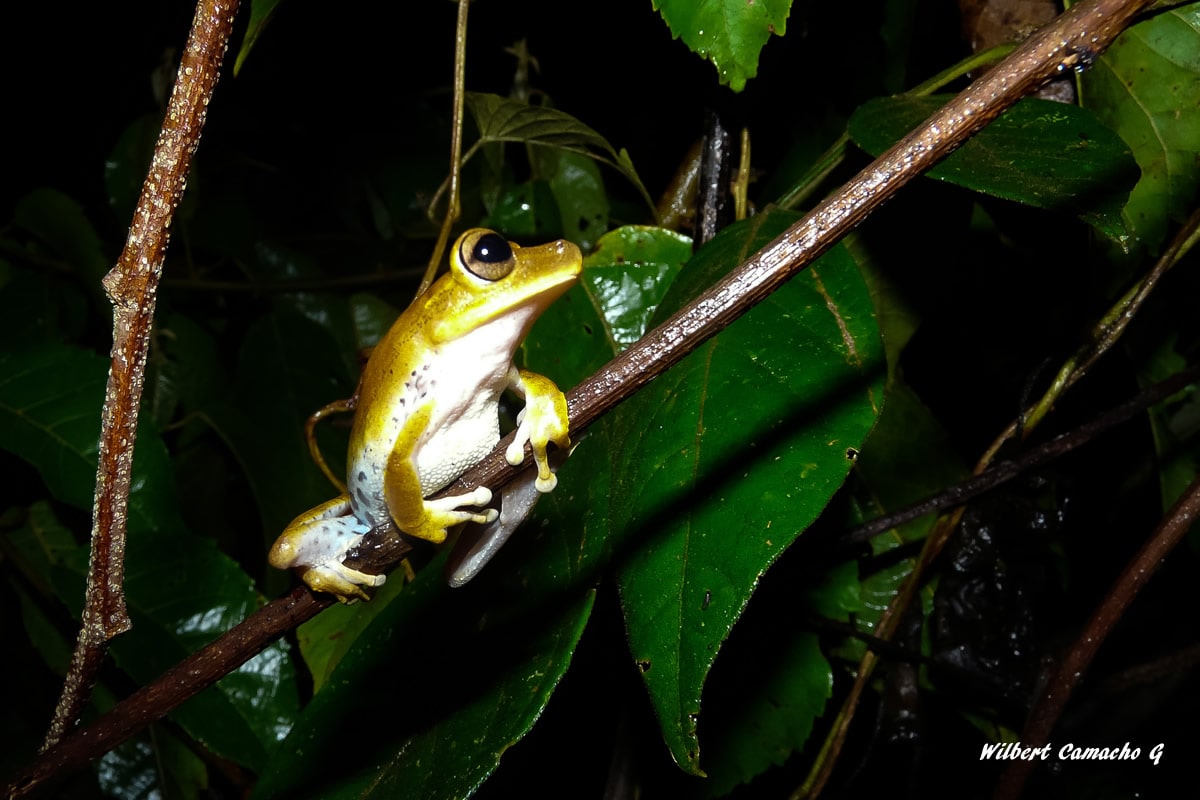
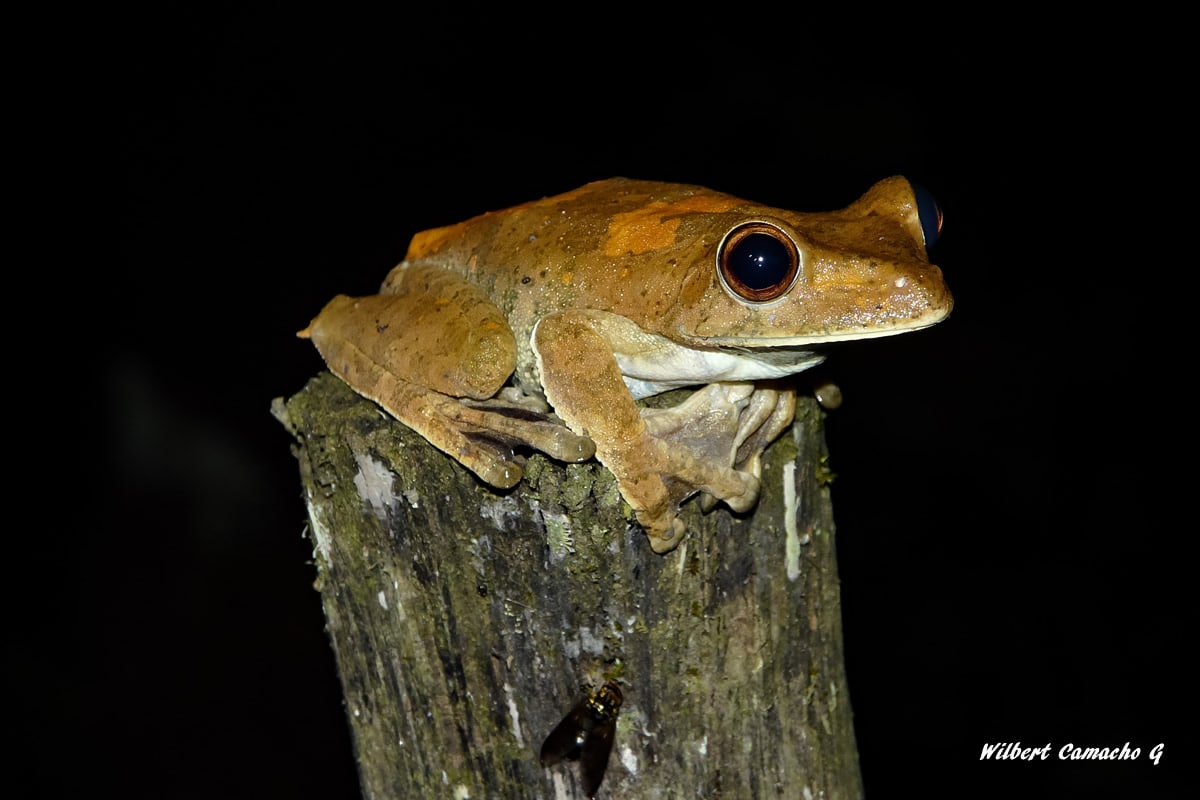
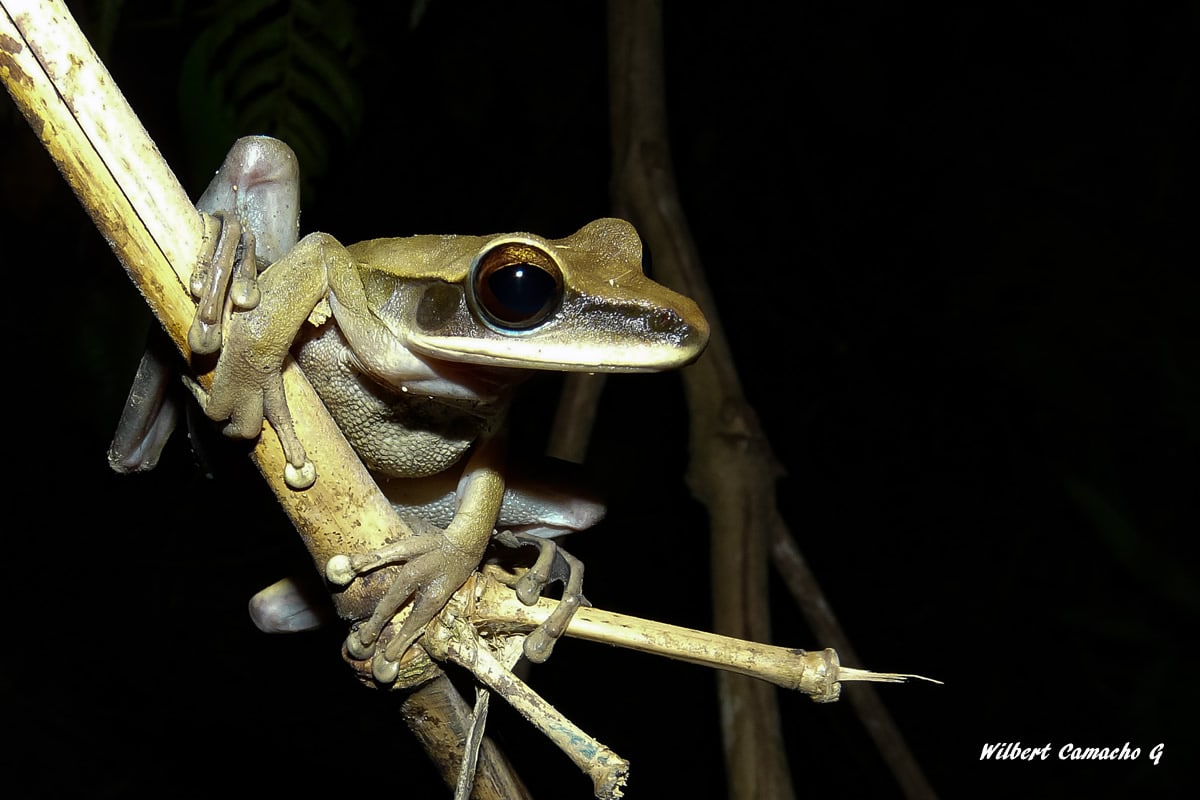
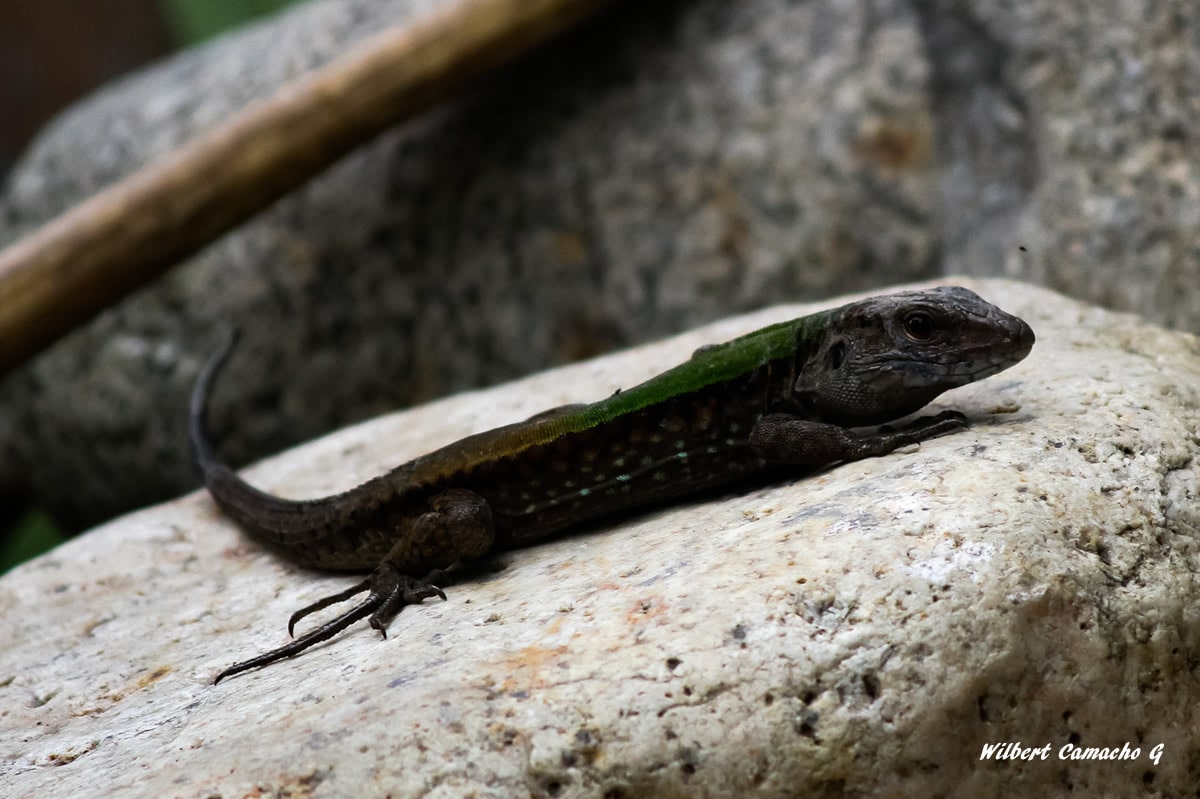
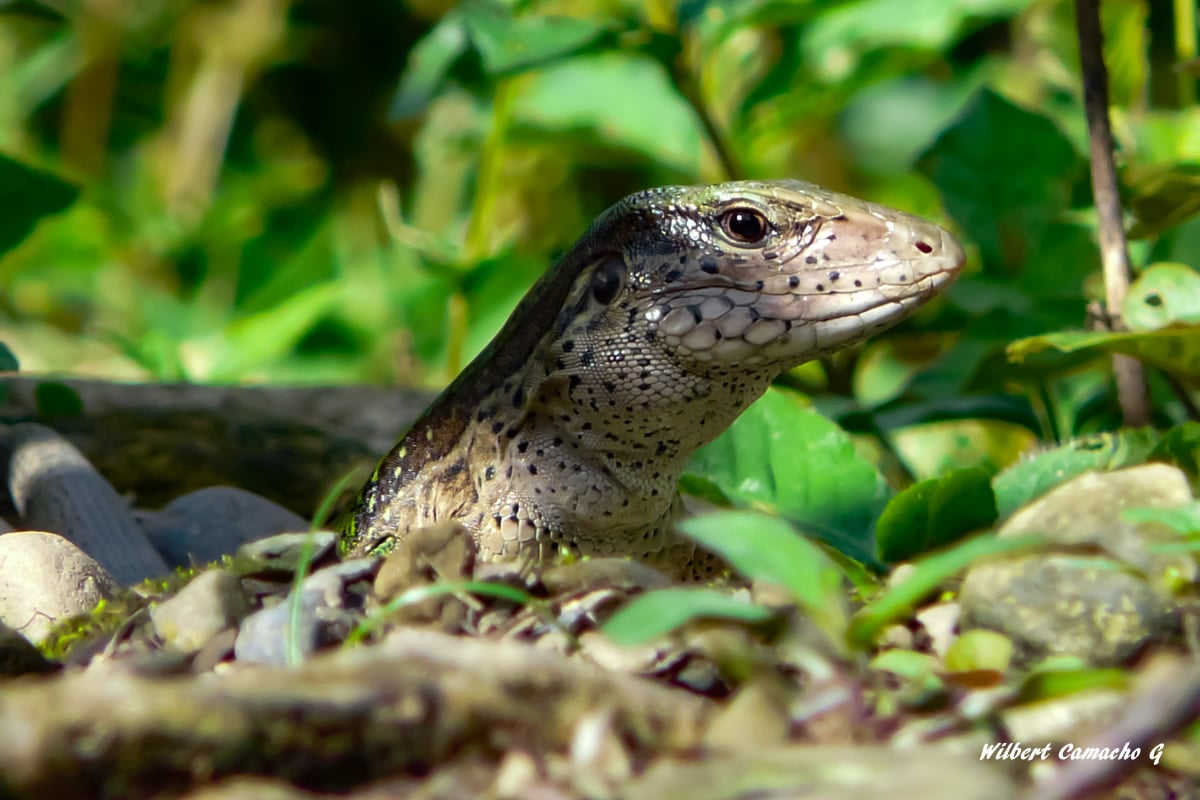
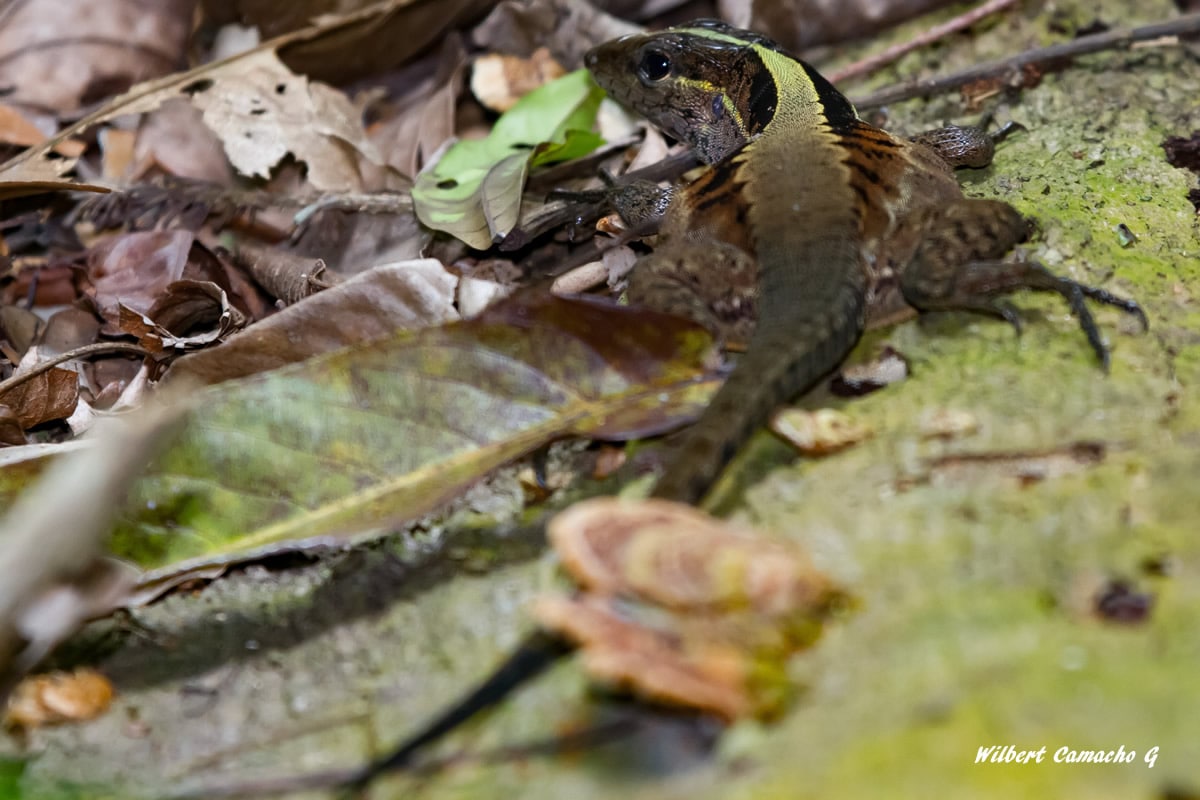
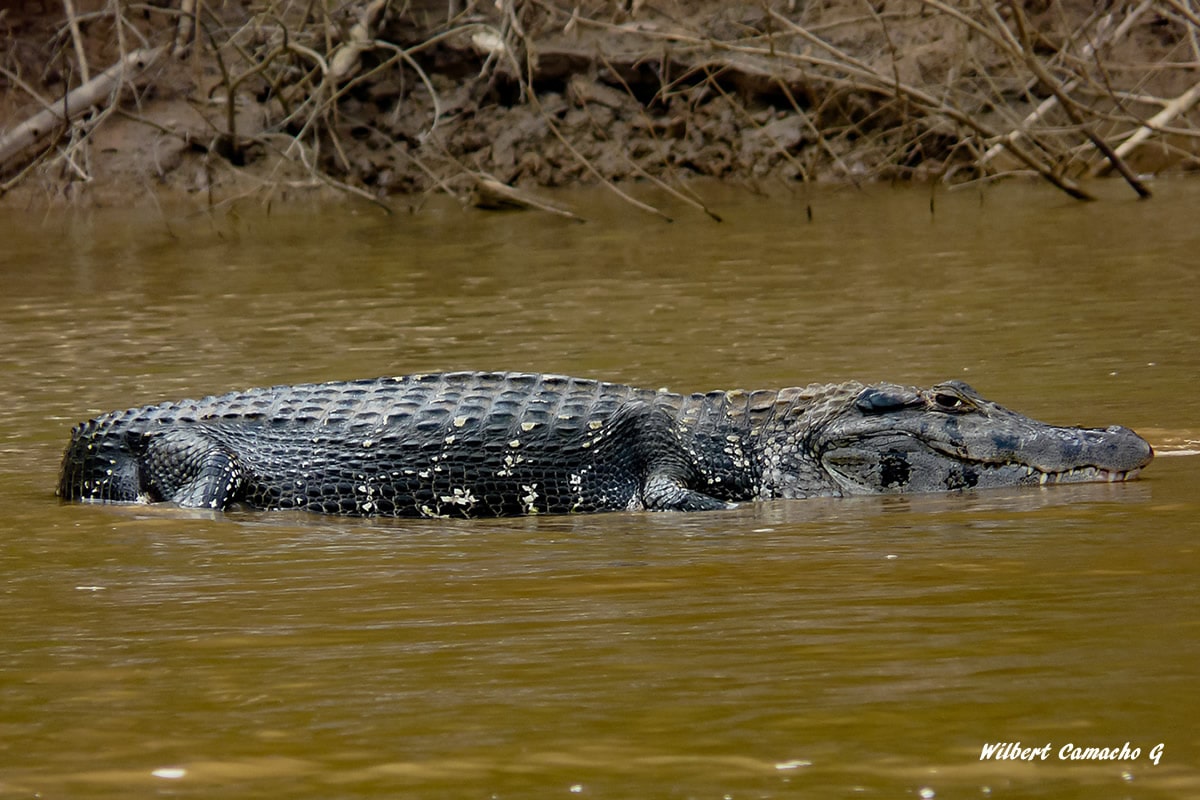
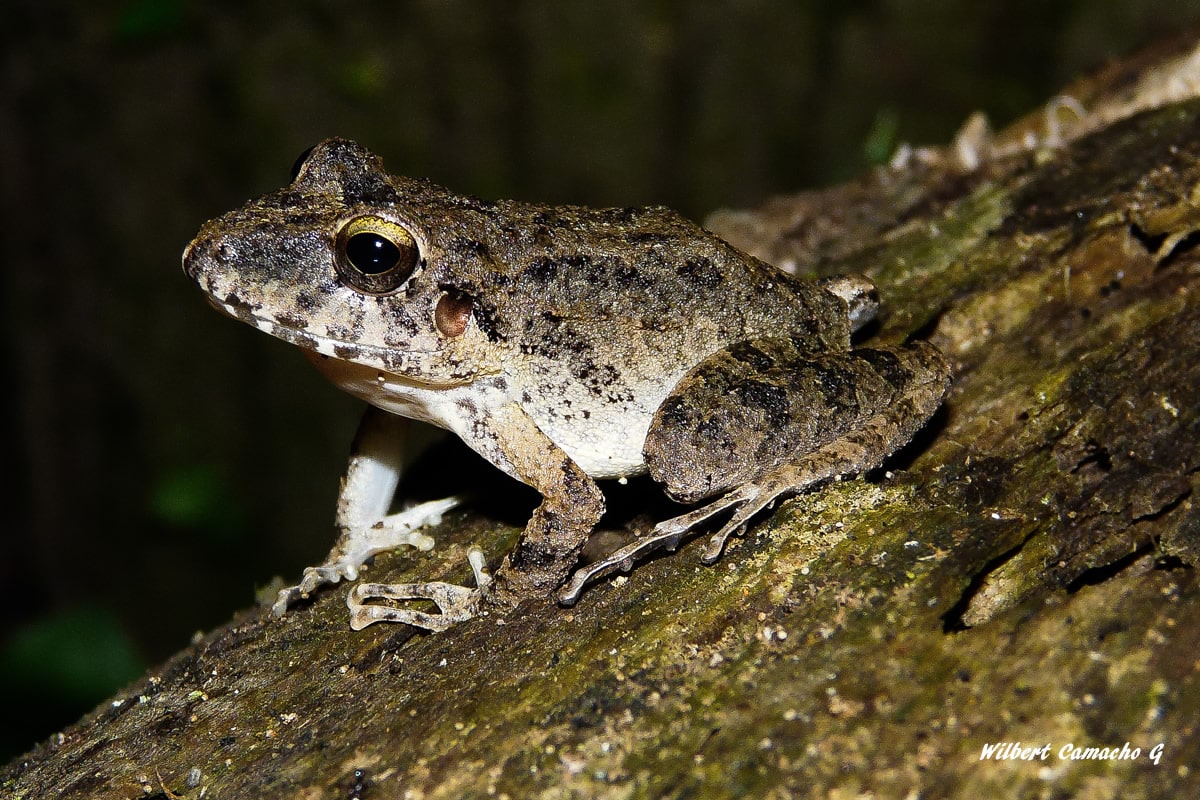
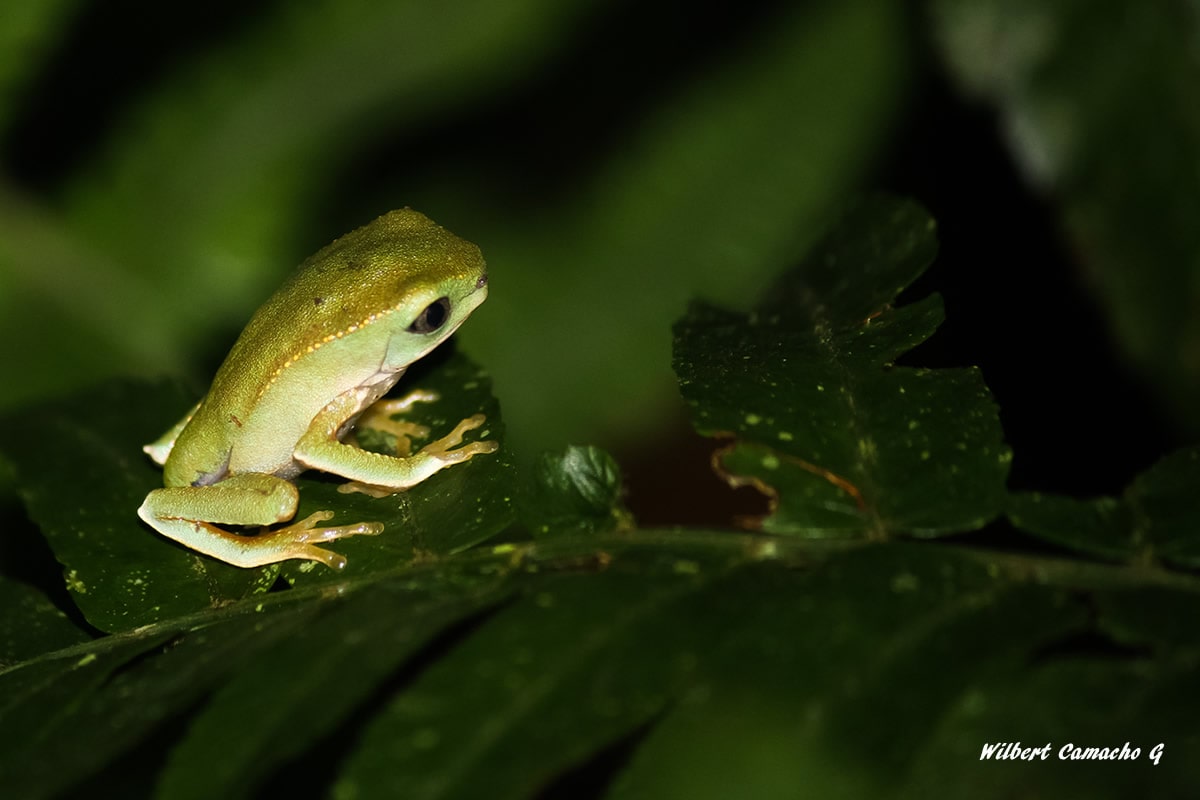
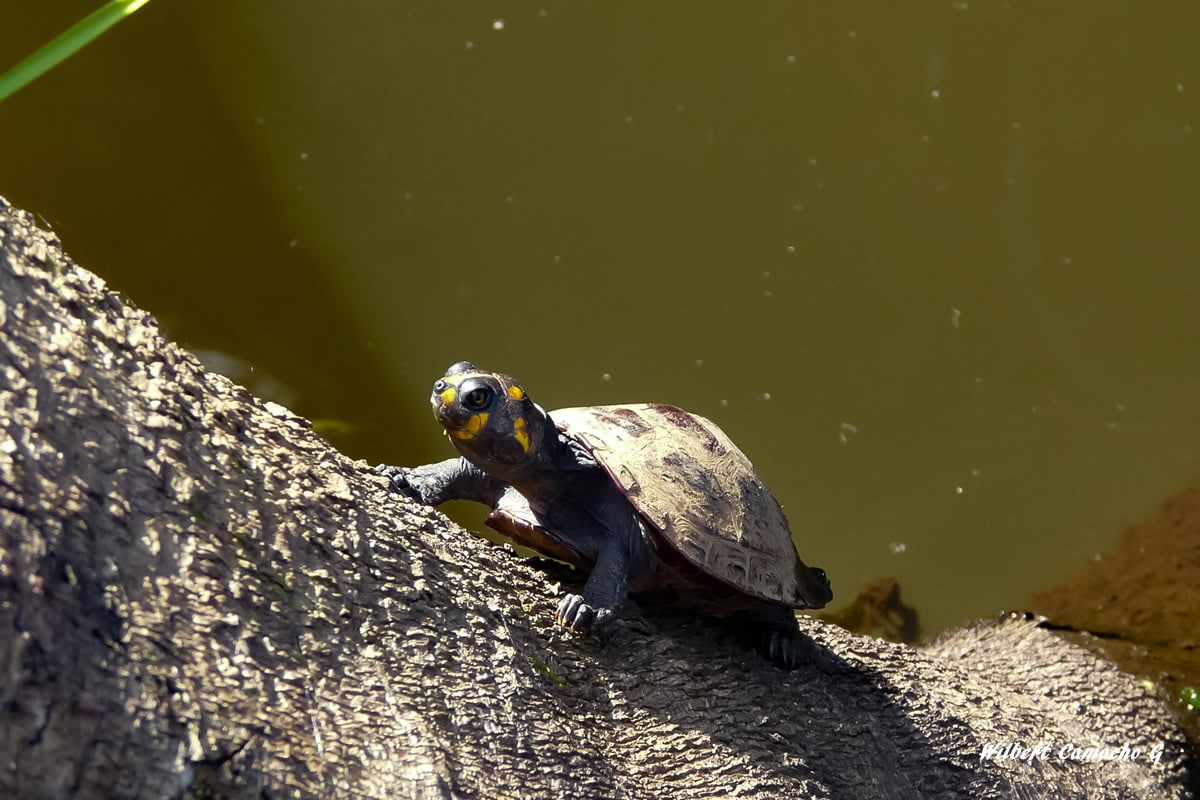
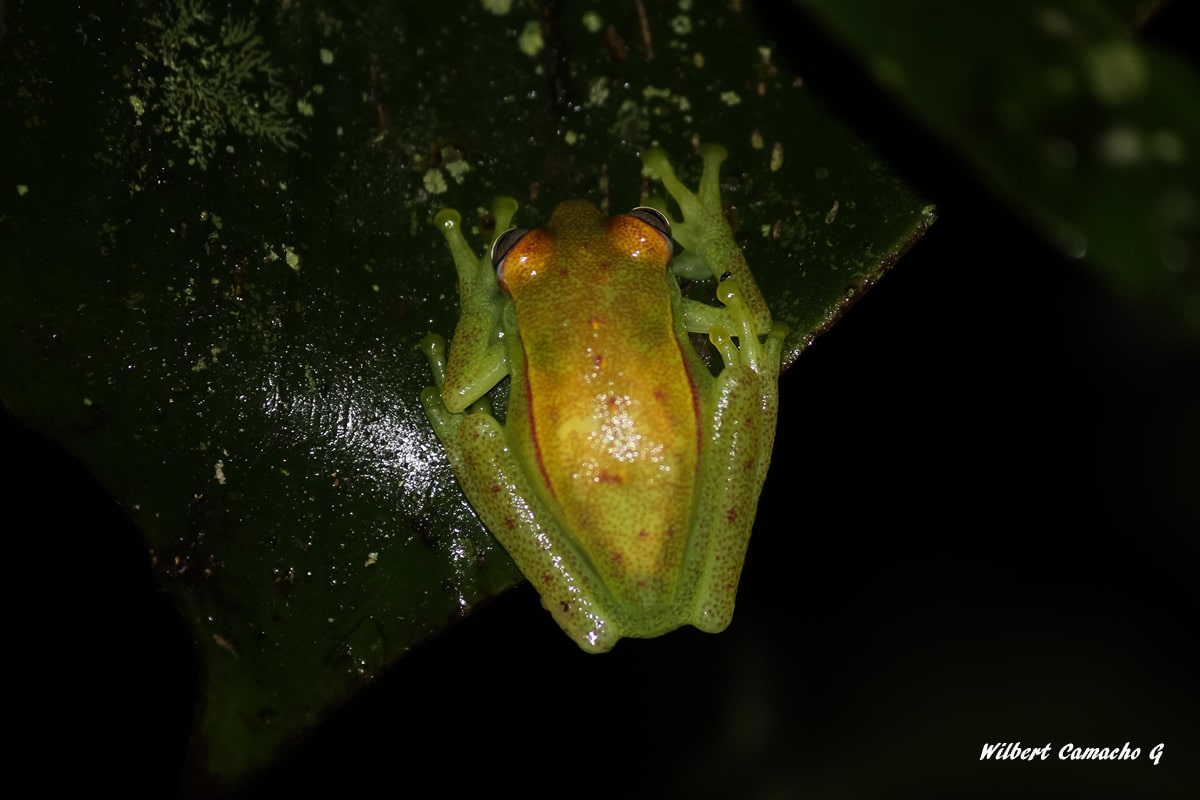
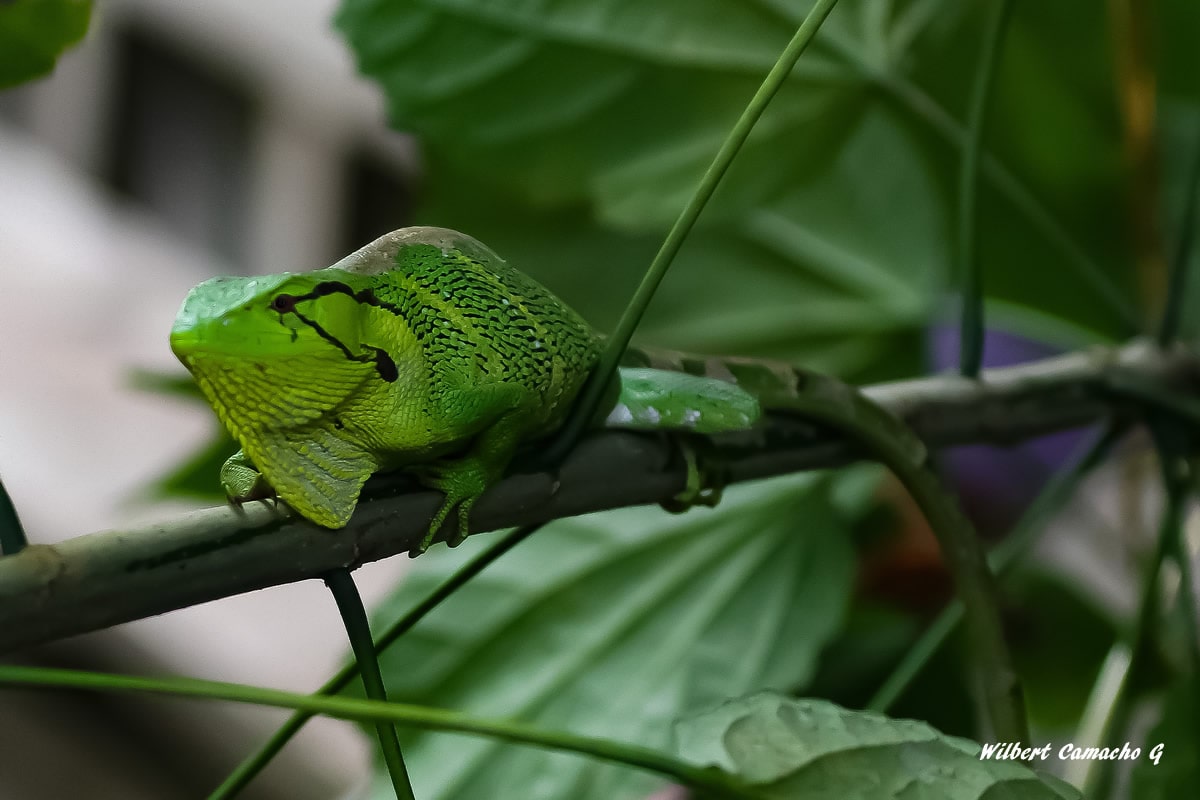
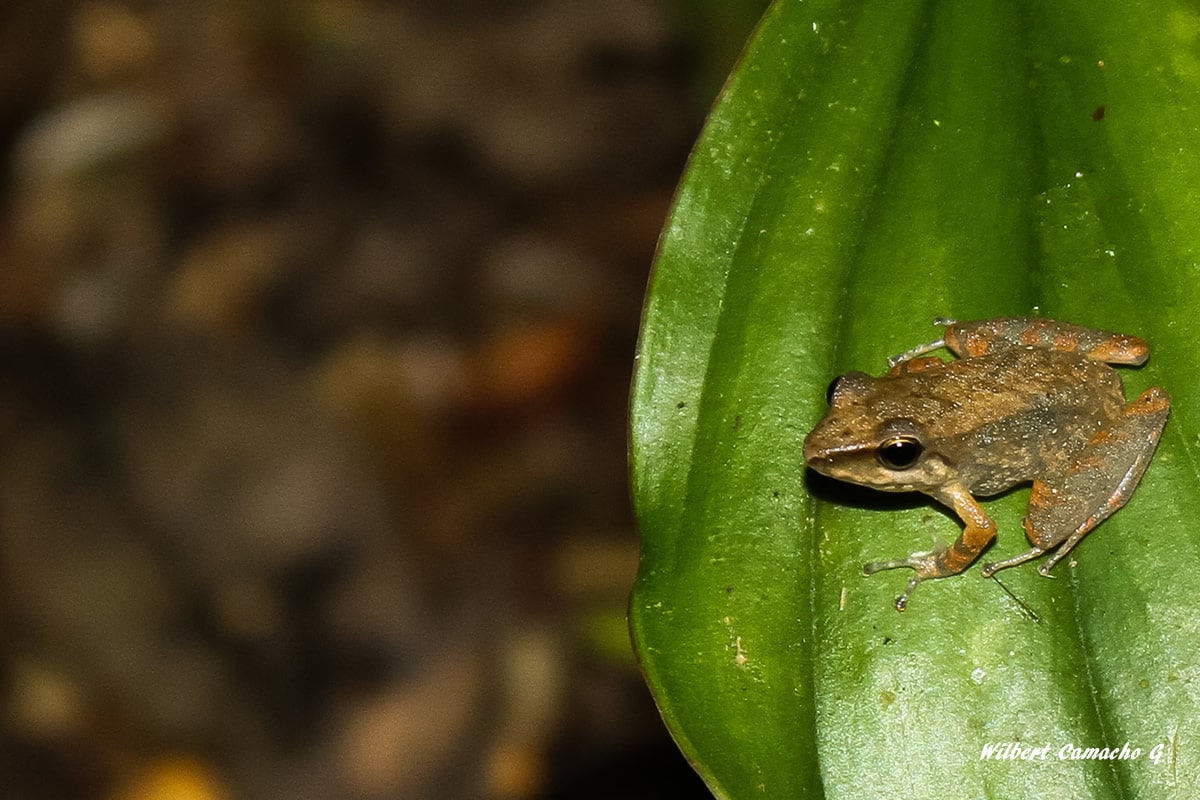
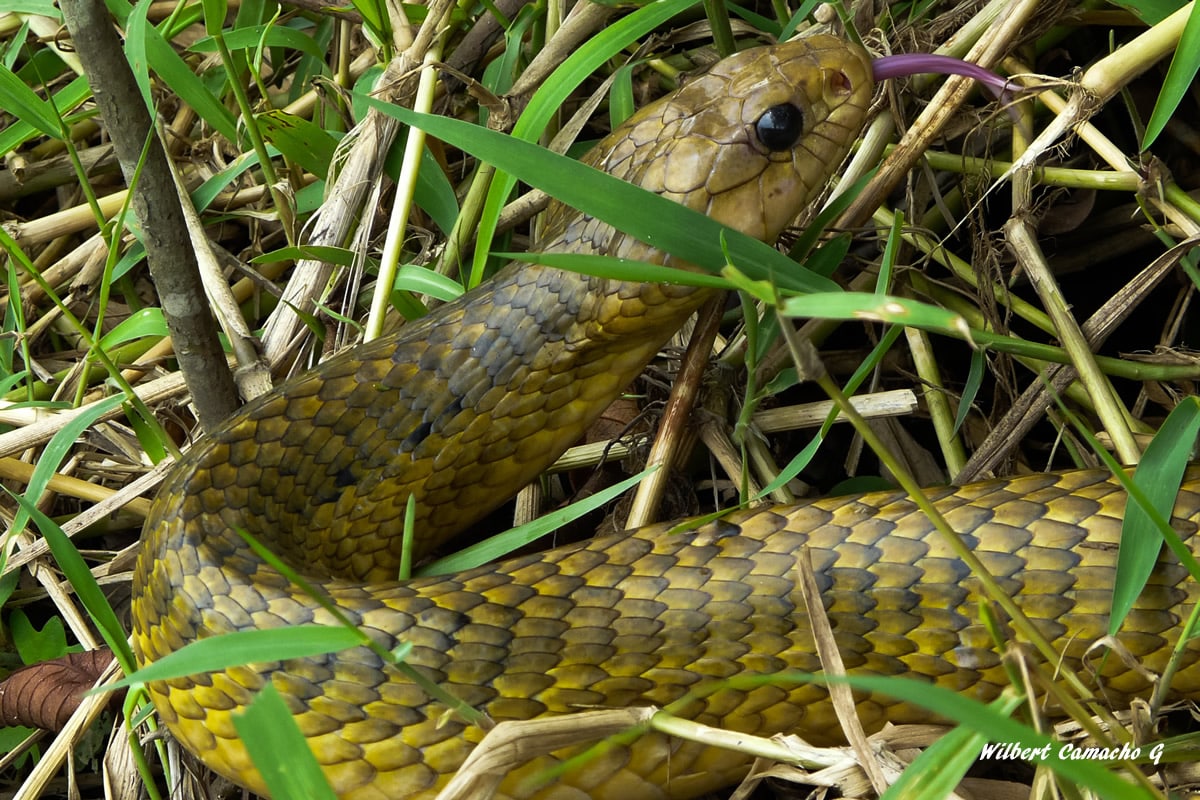
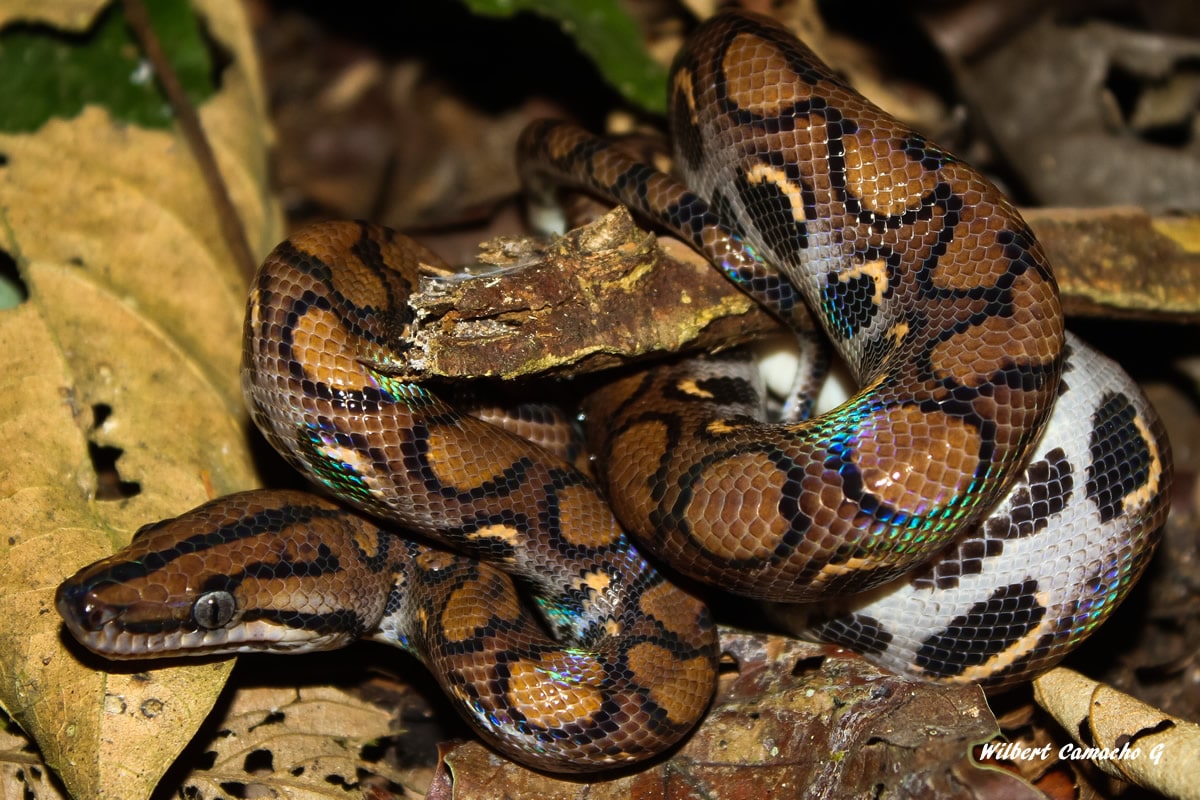
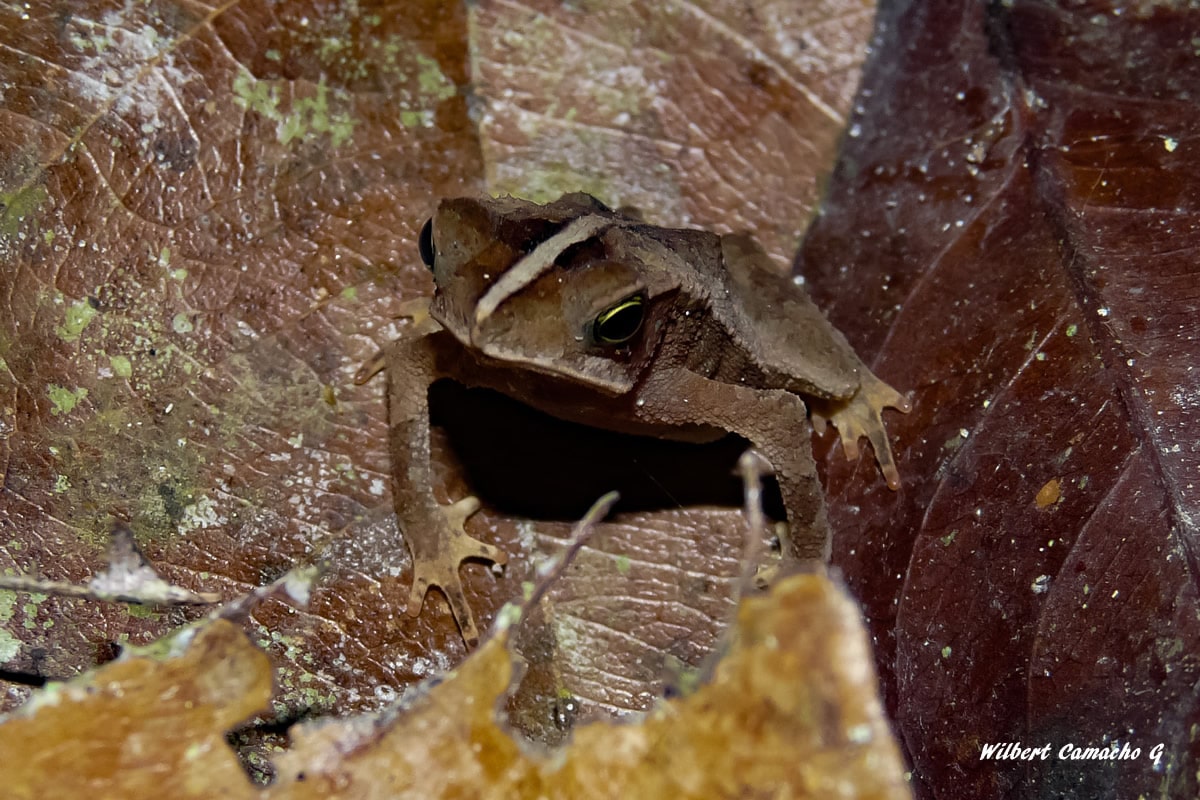
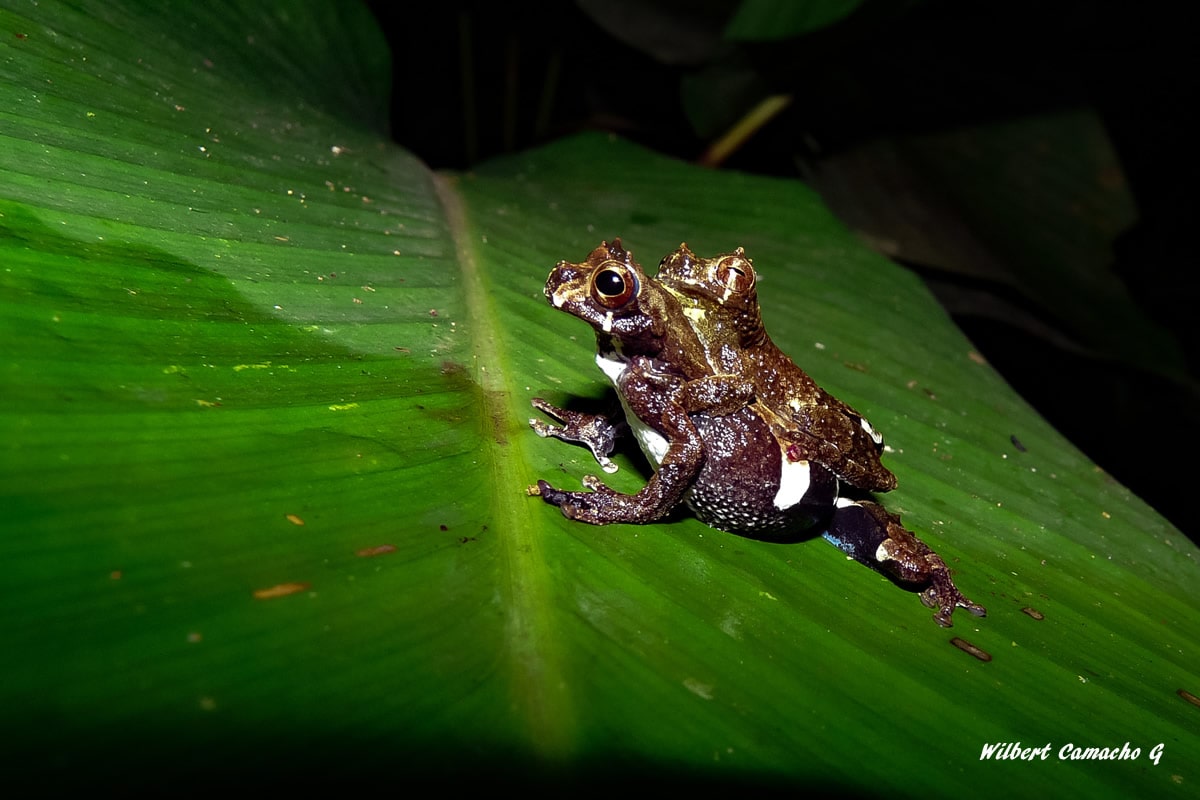
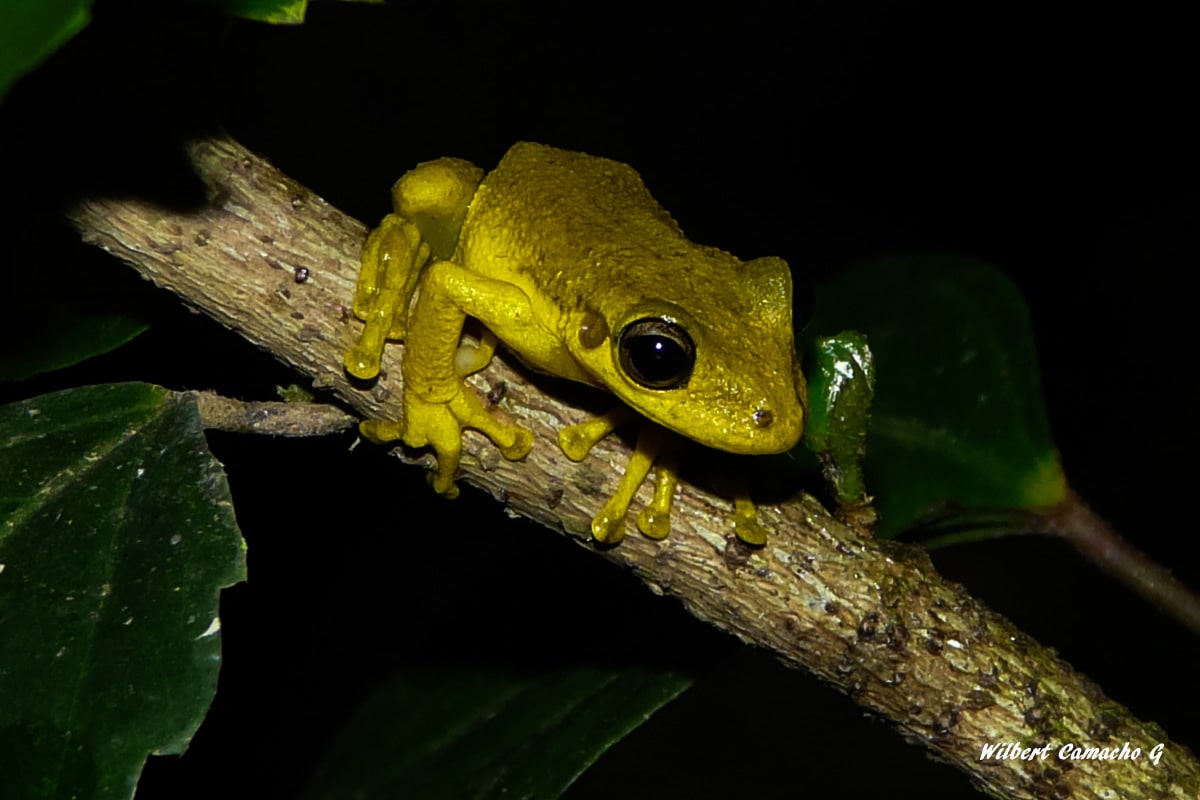
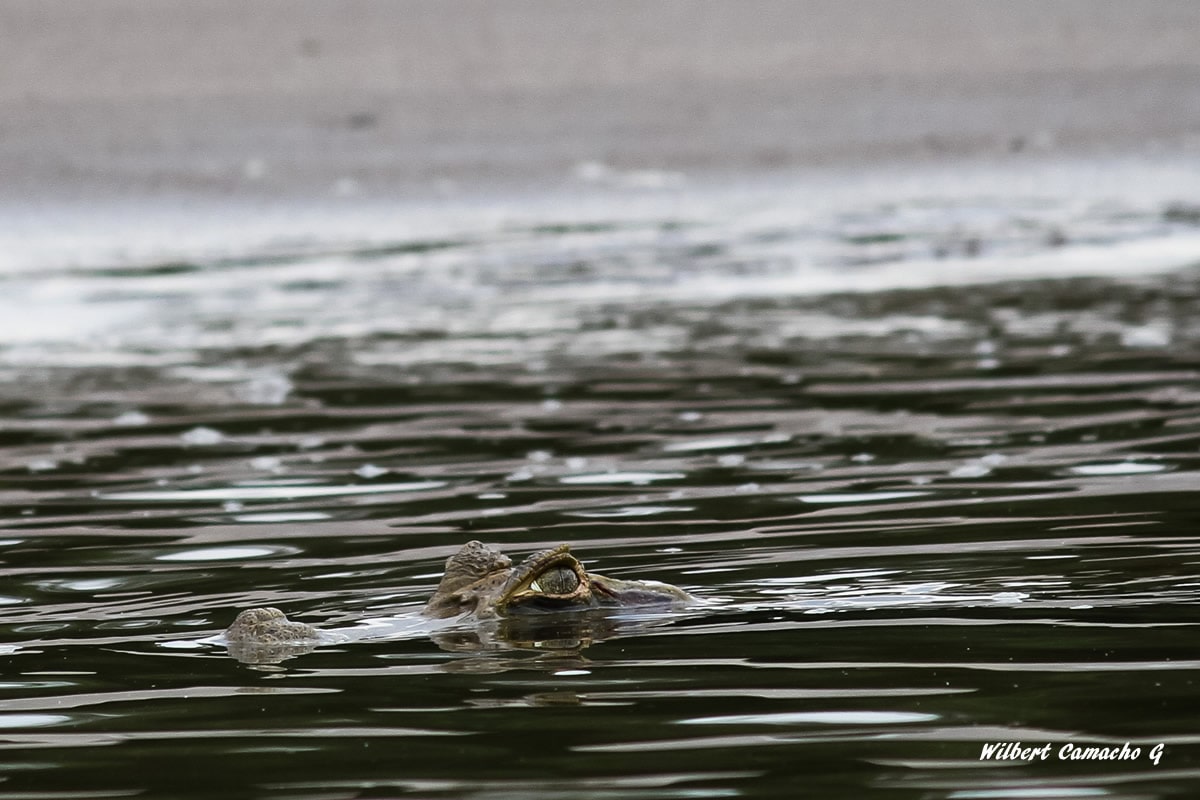
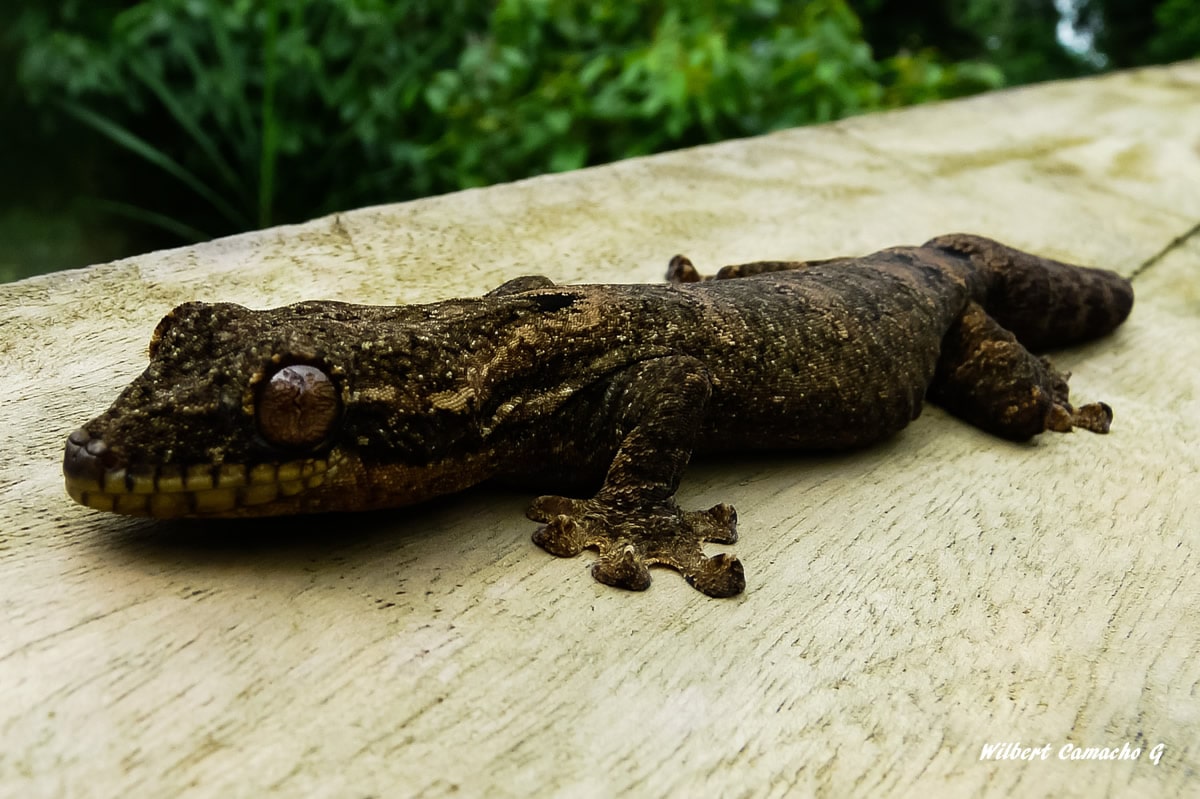
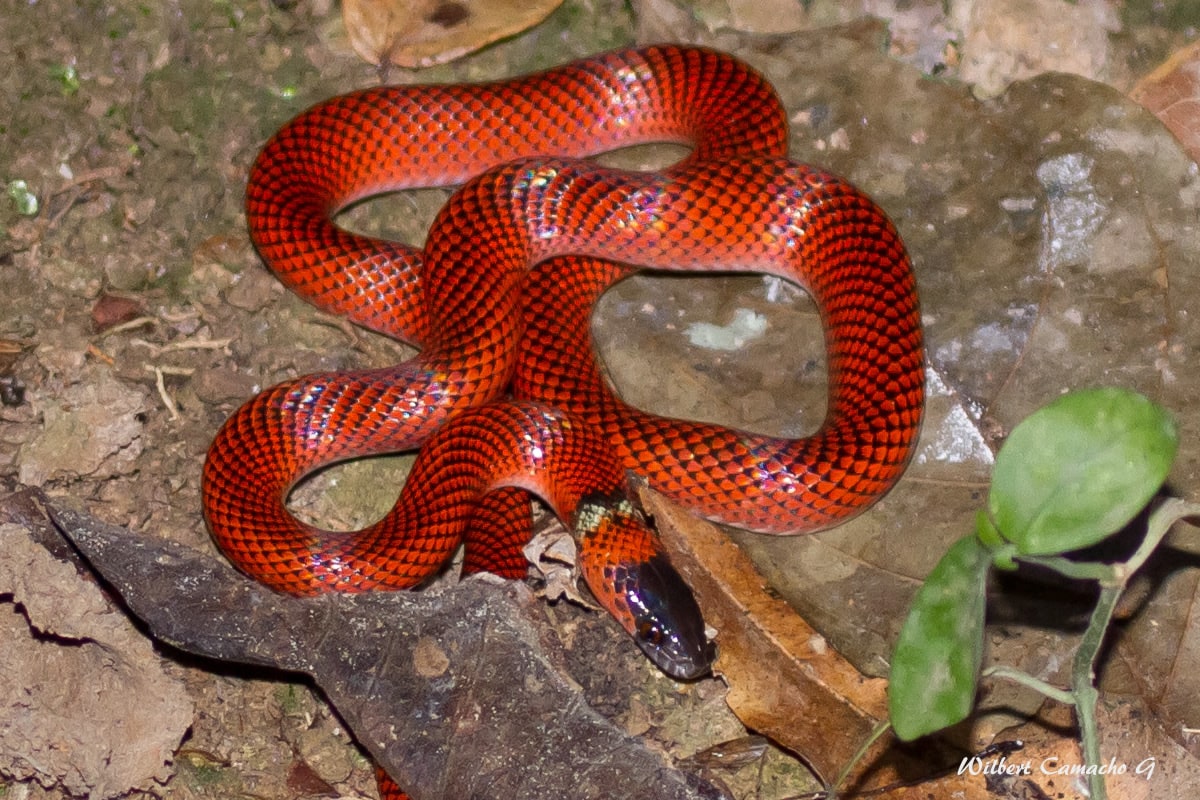
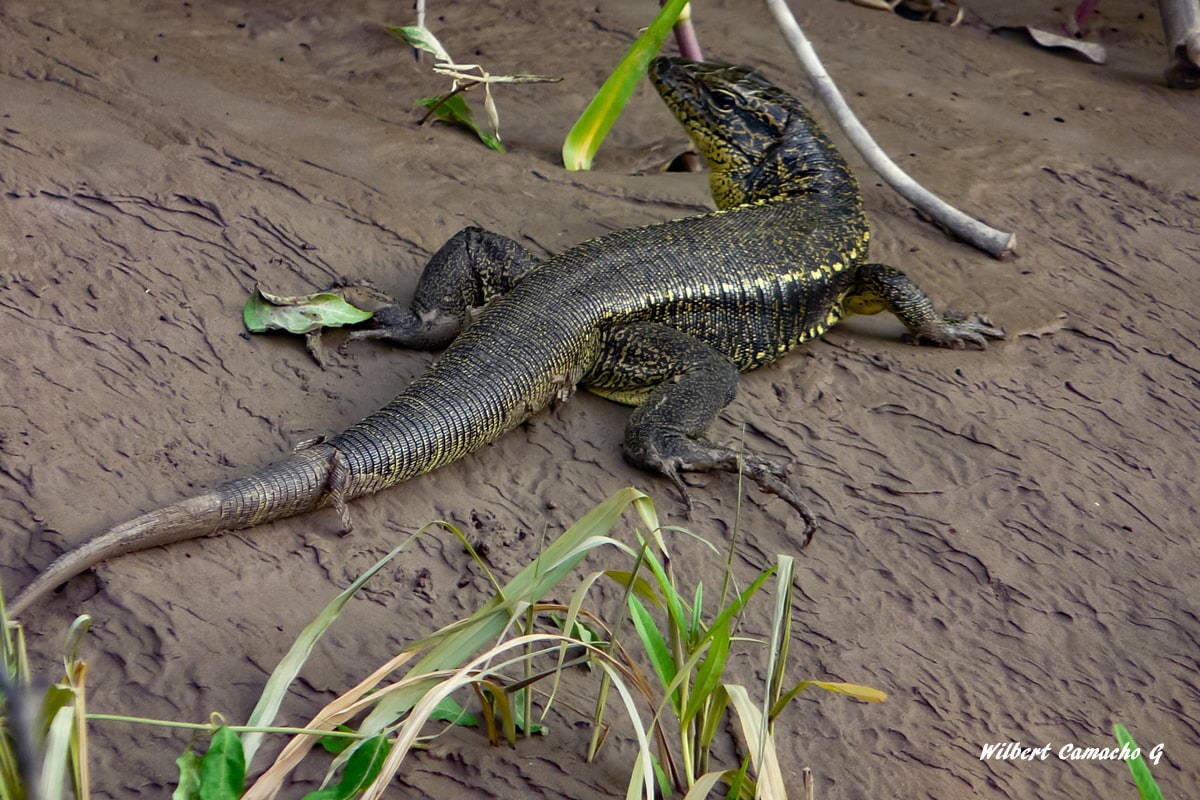
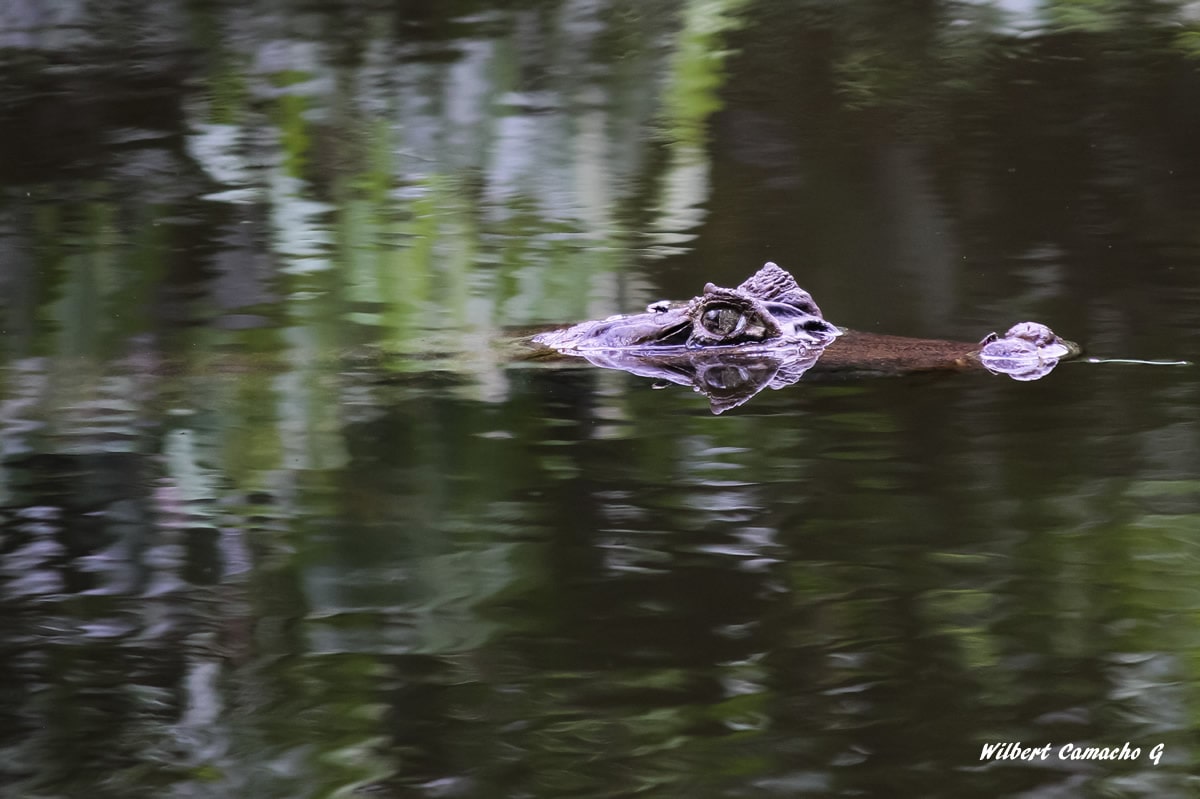
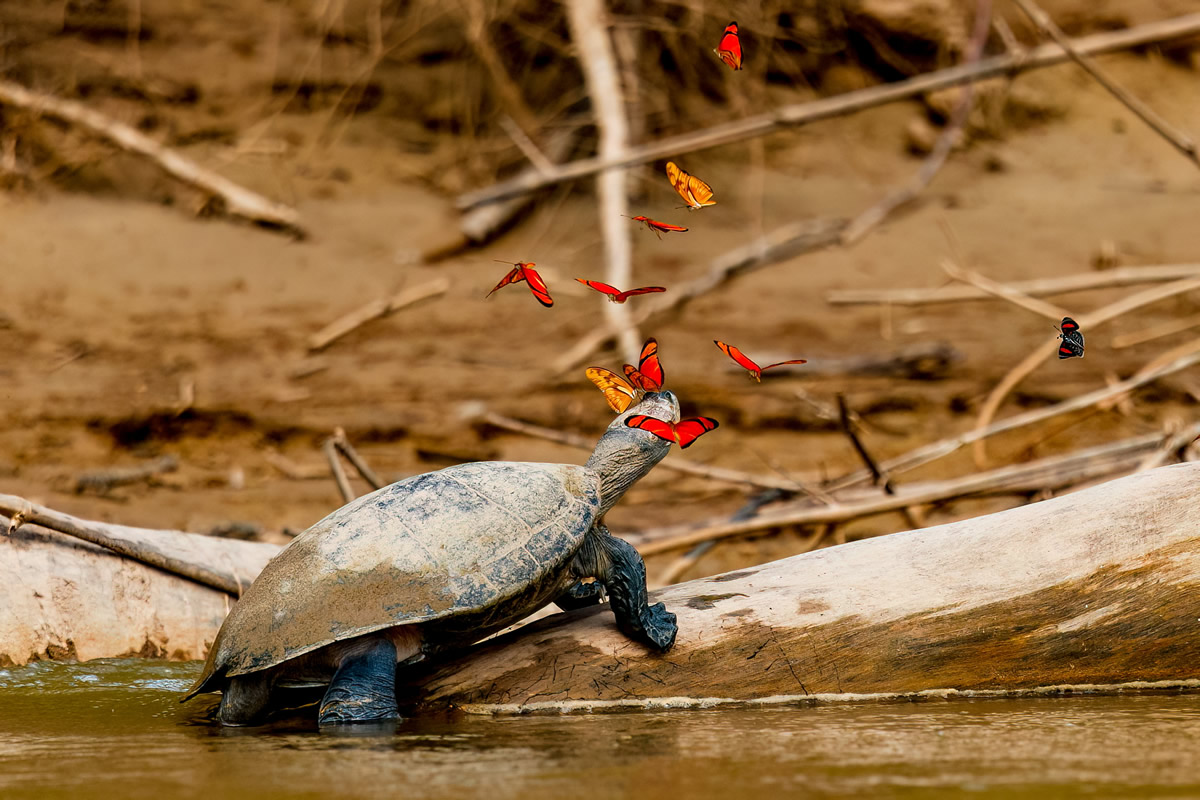
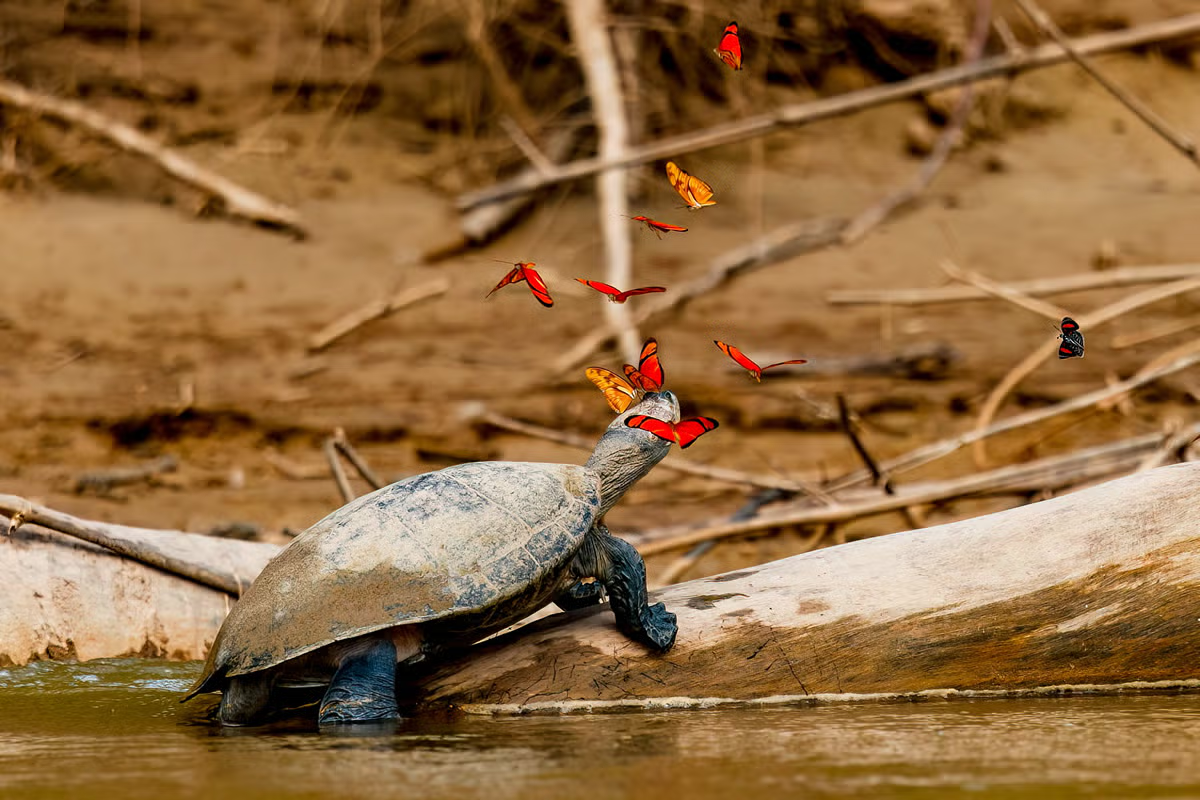
Peru is a herpetological hotspot, home to hundreds of reptile and amphibian species across the Amazon rainforest, Andes cloud forests, and dry valleys. From anacondas, iguanas, and caimans to poison dart frogs and glass frogs, the country offers unmatched biodiversity.
🌿 Highlights
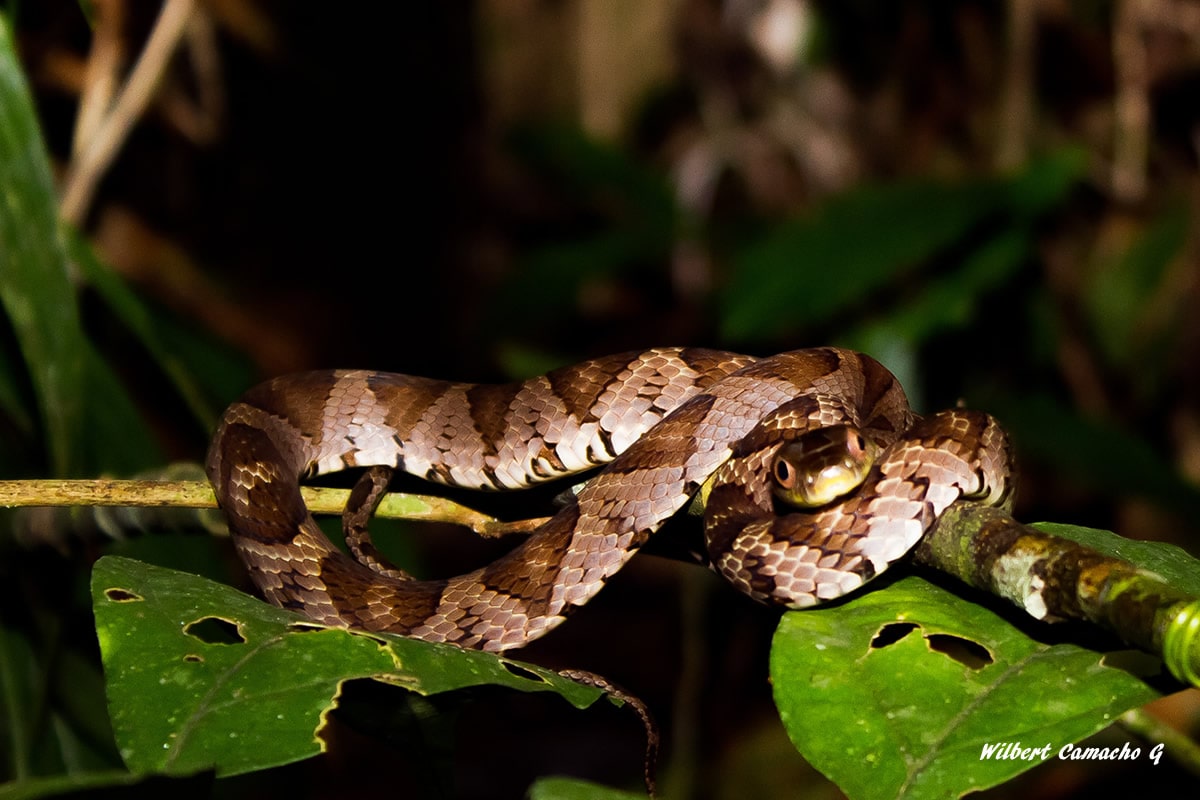
- Reptiles: Snakes, lizards, turtles, and caimans in diverse habitats.
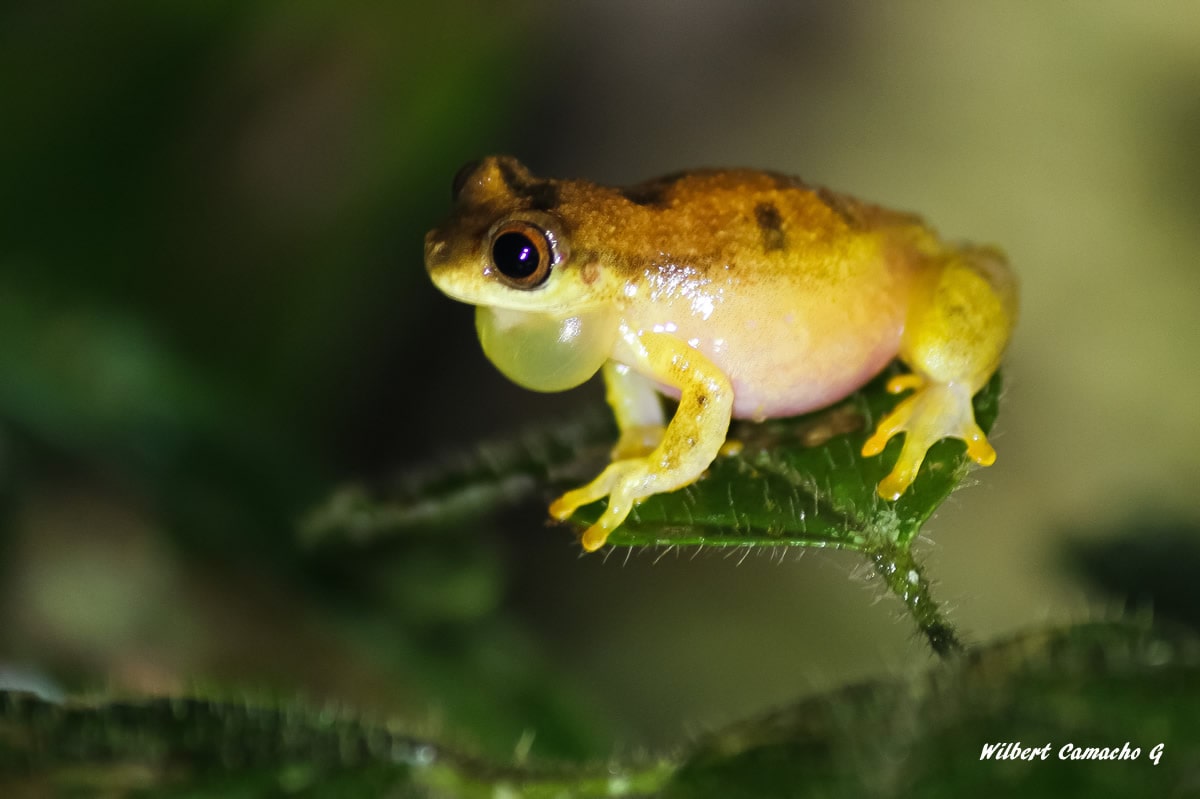
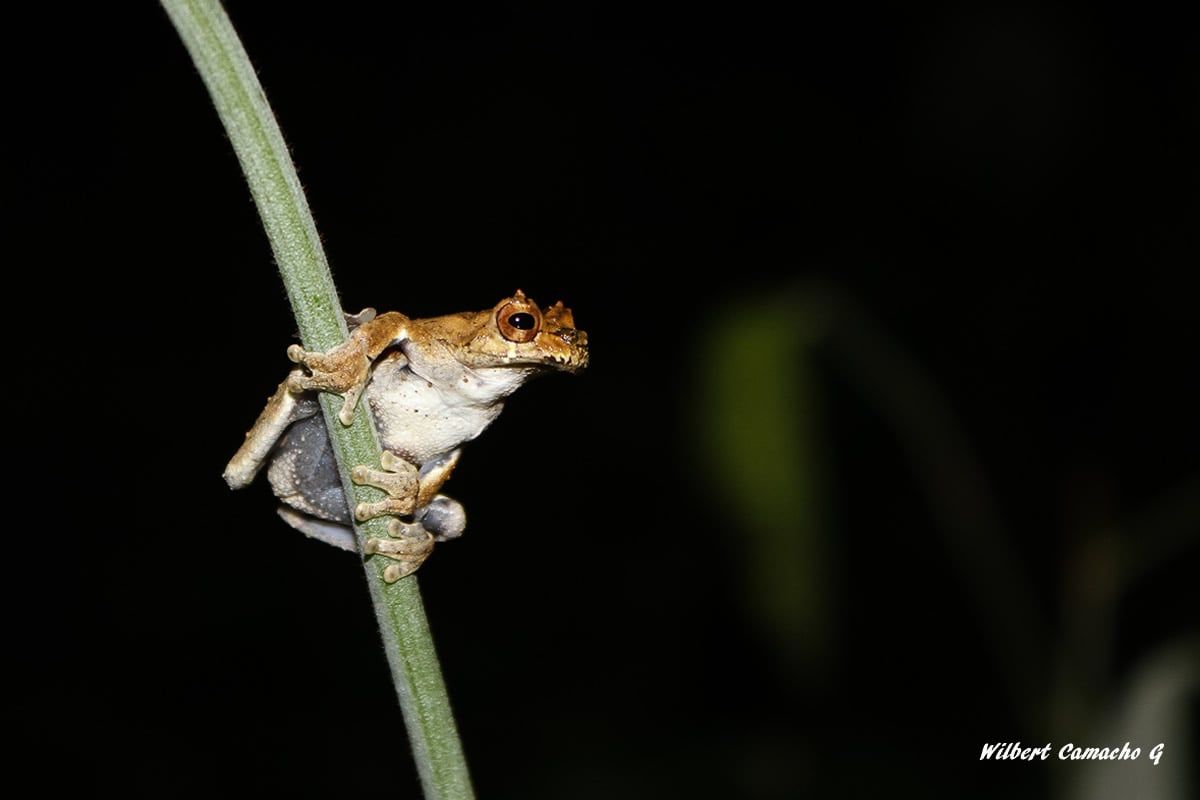
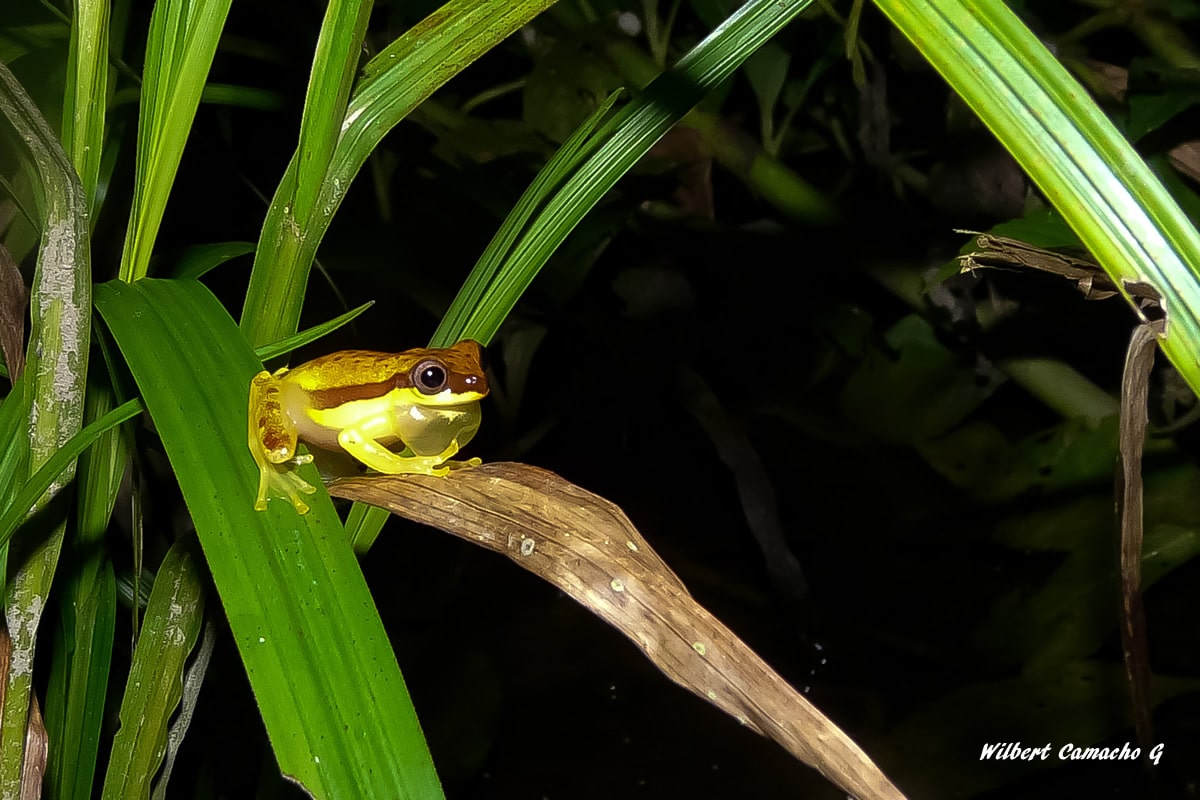
- Amphibians: Colorful frogs, endemic tree frogs, and sensitive indicator species.
- Endemics: Unique species found only in Peru’s forests and rivers.
🌎 Where to See Them
- Amazon Rainforest: Dense forest floor, rivers, and canopy.
- Andes & Cloud Forests: Streams, mossy slopes, and high-elevation habitats.
- Dry Forests & Valleys: Specialized reptiles adapted to arid regions.
📌 Why Watch & Explore
- Perfect for nature enthusiasts, photographers, and herpetologists.
- Highlights Peru’s unique wildlife, conservation importance, and stunning ecosystems.