All you need to know before travel with us
Top 10 Animals You'll See in the Manu Biosphere Reserve
Welcome to Manu!
Manu Biosphere Reserve, a UNESCO World Heritage Site, is often hailed as one of the most biodiverse places on Earth. Tucked away in the Peruvian Amazon, its pristine rainforests, cloud forests, and Andean grasslands harbor an astonishing variety of life. For wildlife enthusiasts, a trip here isn't just a vacation; it's an immersive journey into the heart of an untouched wilderness.
While no sighting is ever guaranteed in the wild, the sheer density of species in Manu means you're almost certain to have incredible encounters. Here are 10 iconic and fascinating animals you have a strong chance of spotting on a Manu Explorers expedition:
The Top 10 List:
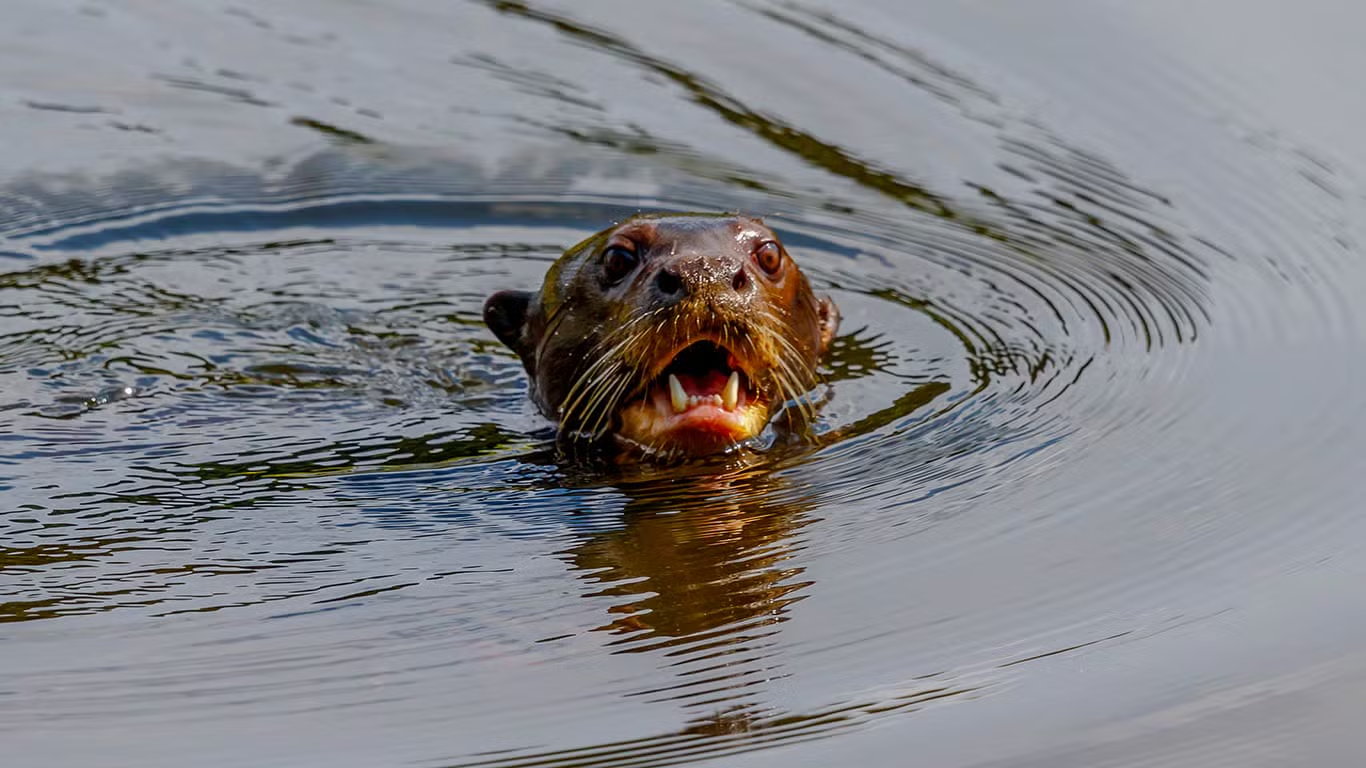
1. Giant Otter (Pteronura brasiliensis)
Why they're special: The largest otter species, known for their charismatic, inquisitive, and highly social behavior. They hunt in groups and communicate with a variety of squeaks and calls.
Where you'll see them: Often observed at oxbow lakes and rivers, particularly cocha (lakes) like Cocha Salvador or Cocha Otorongo.
Spotting tip: Listen for their distinctive vocalizations and look for their heads popping up above the water as they fish.
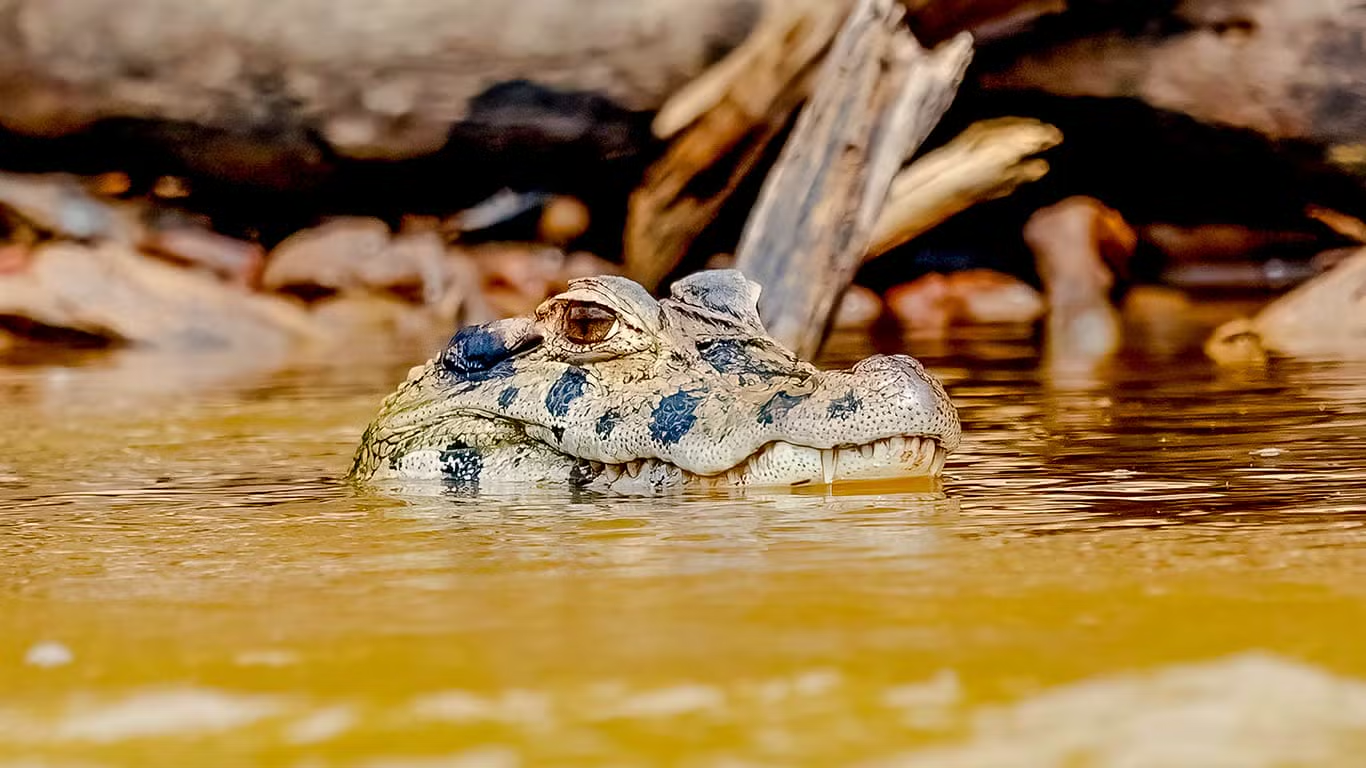
2. Black Caiman (Melanosuchus niger)
Why they're special: The apex predator of the Amazonian waters, these large reptiles can reach impressive sizes (up to 5-6 meters). Their dark scales allow them to camouflage perfectly in the murky waters at night.
Where you'll see them: Commonly found in oxbow lakes and larger rivers. Night excursions with a spotlight often reveal their glowing red eyes.
Spotting tip: Join a night boat trip! Their eyes reflect brightly in the dark.
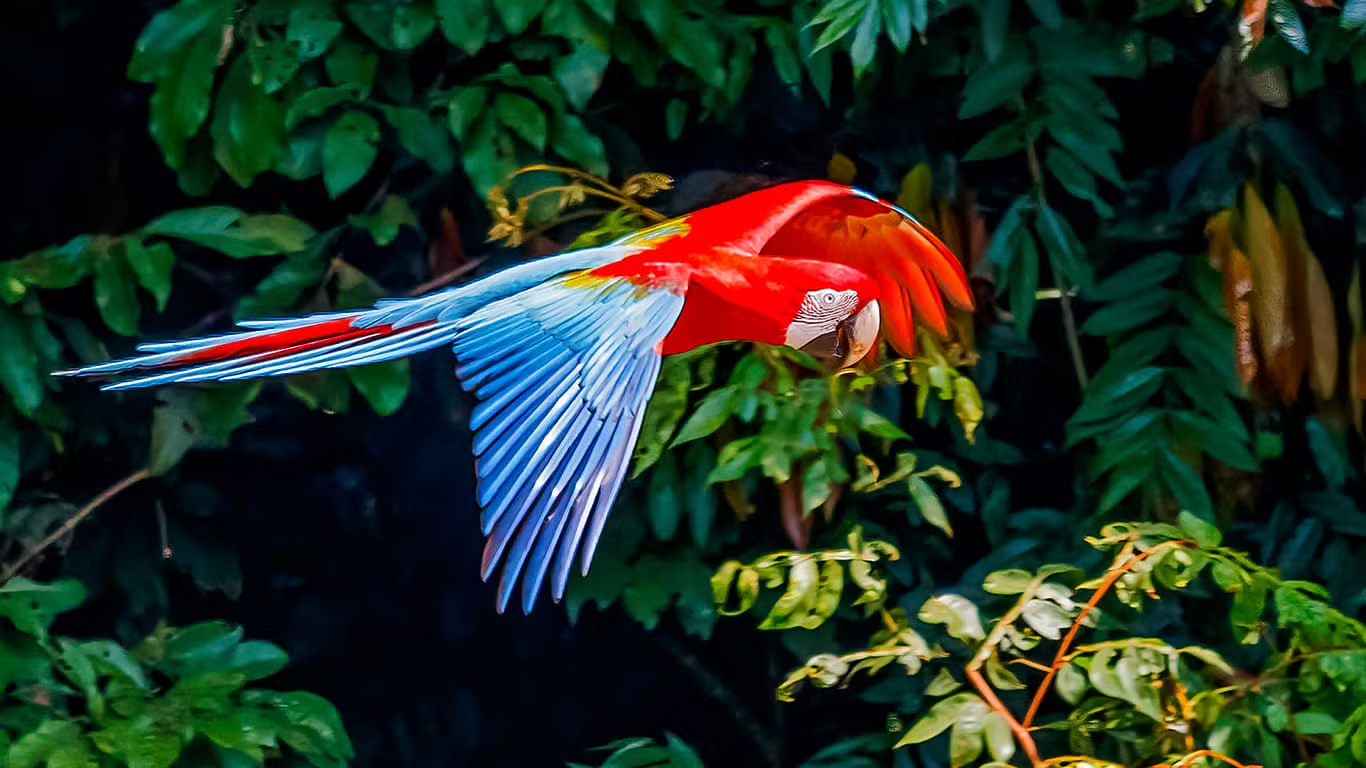
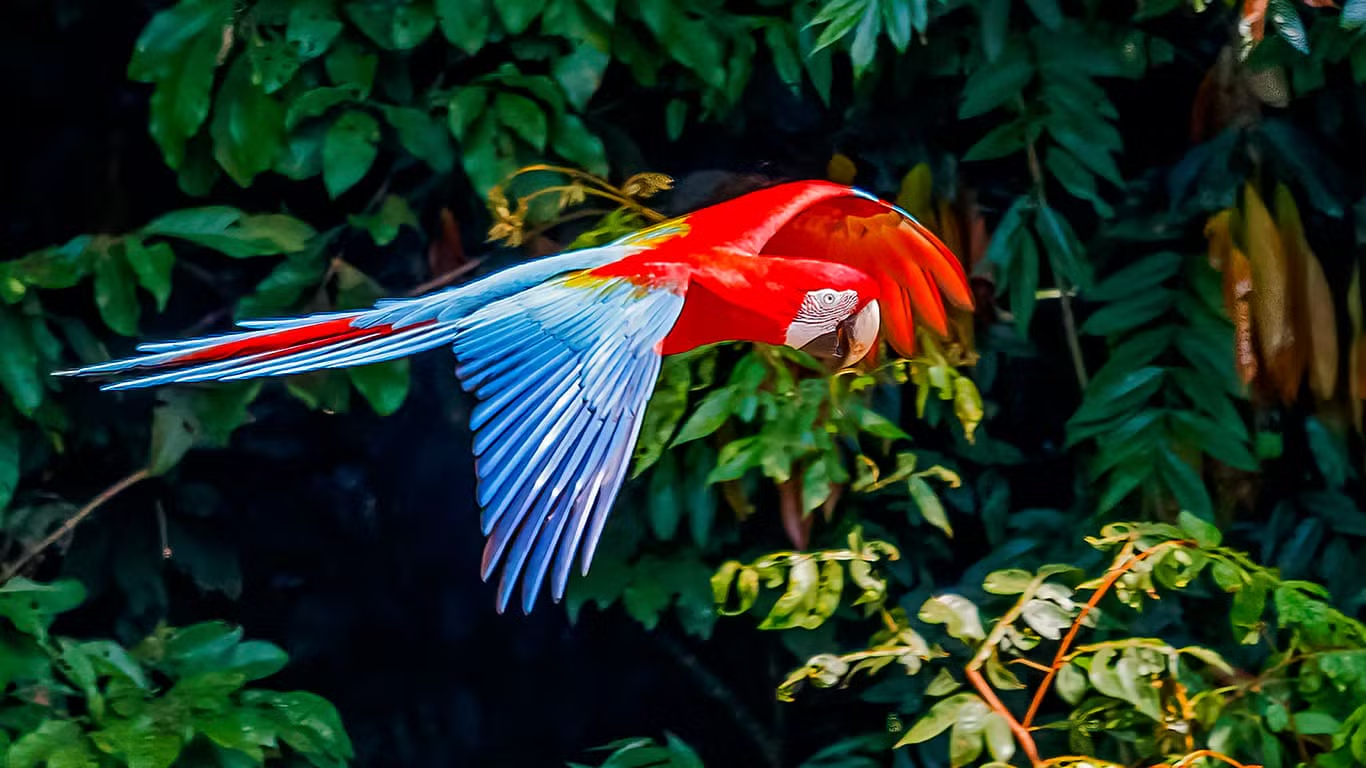
3. Macaws (Scarlet, Red-and-Green, Blue-and-Yellow)
Why they're special: The Amazon's most iconic and colorful birds. Seeing hundreds of these magnificent parrots gather at a clay lick (collpa) to ingest vital minerals is an unforgettable spectacle of color and sound.
Where you'll see them: Clay licks, flying overhead, or feeding in fruiting trees throughout the rainforest.
Spotting tip: Visit a known clay lick at dawn for the best viewing experience.
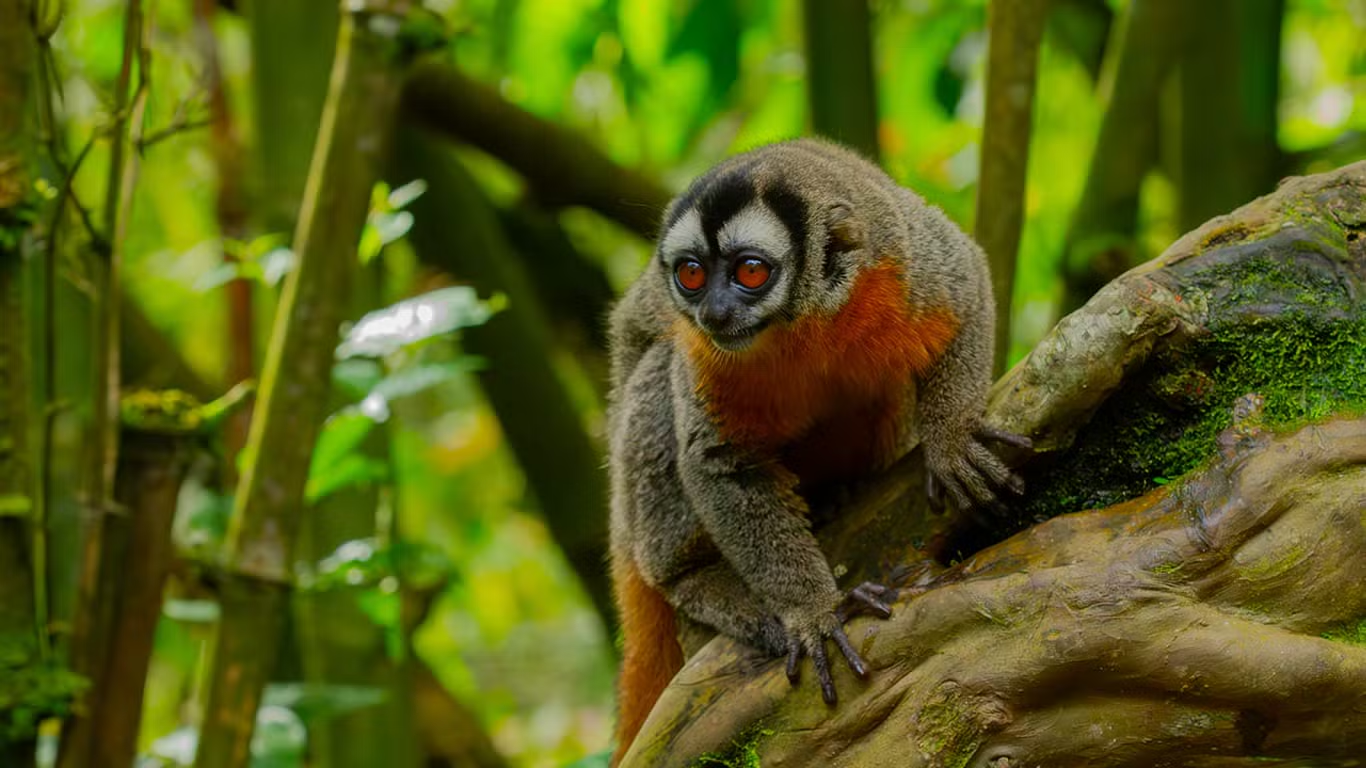
4. Monkeys (Multiple Species)
Why they're special: Manu is home to an incredible 14 species of monkeys, from the tiny Pygmy Marmoset to the boisterous Howler Monkey and the agile Spider Monkey. You're almost guaranteed to see several species.
Where you'll see them: Throughout the forest canopy. Different species prefer different forest layers.
Spotting tip: Listen for rustling in the trees and the distinct calls of various species. Our guides are experts at locating them!
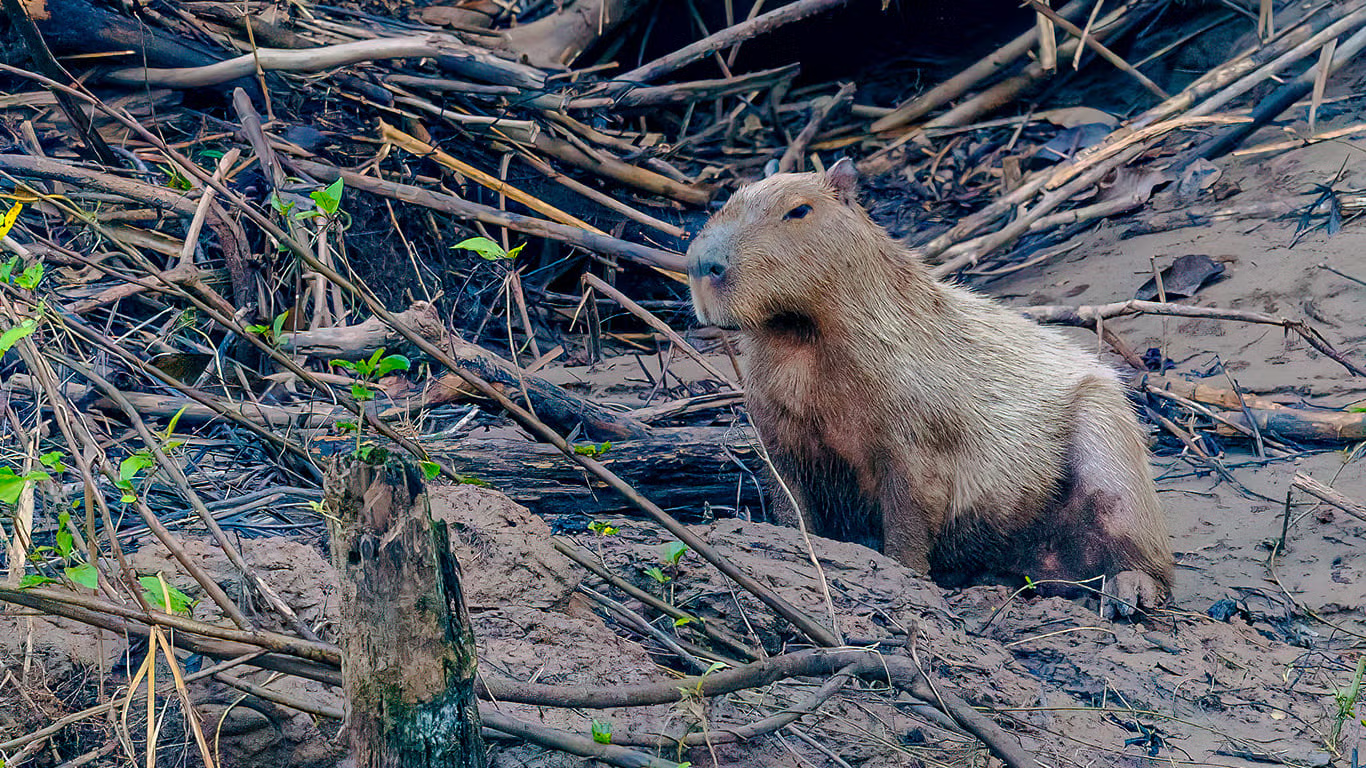
5. Capybara (Hydrochoerus hydrochaeris)
Why they're special: The world's largest rodent, these semi-aquatic mammals are often seen grazing peacefully by the water's edge. They are surprisingly docile and a favorite for photographers.
Where you'll see them: Along riverbanks, by oxbow lakes, and in marshy areas.
Spotting tip: Look for them in family groups, often partially submerged in water to keep cool.
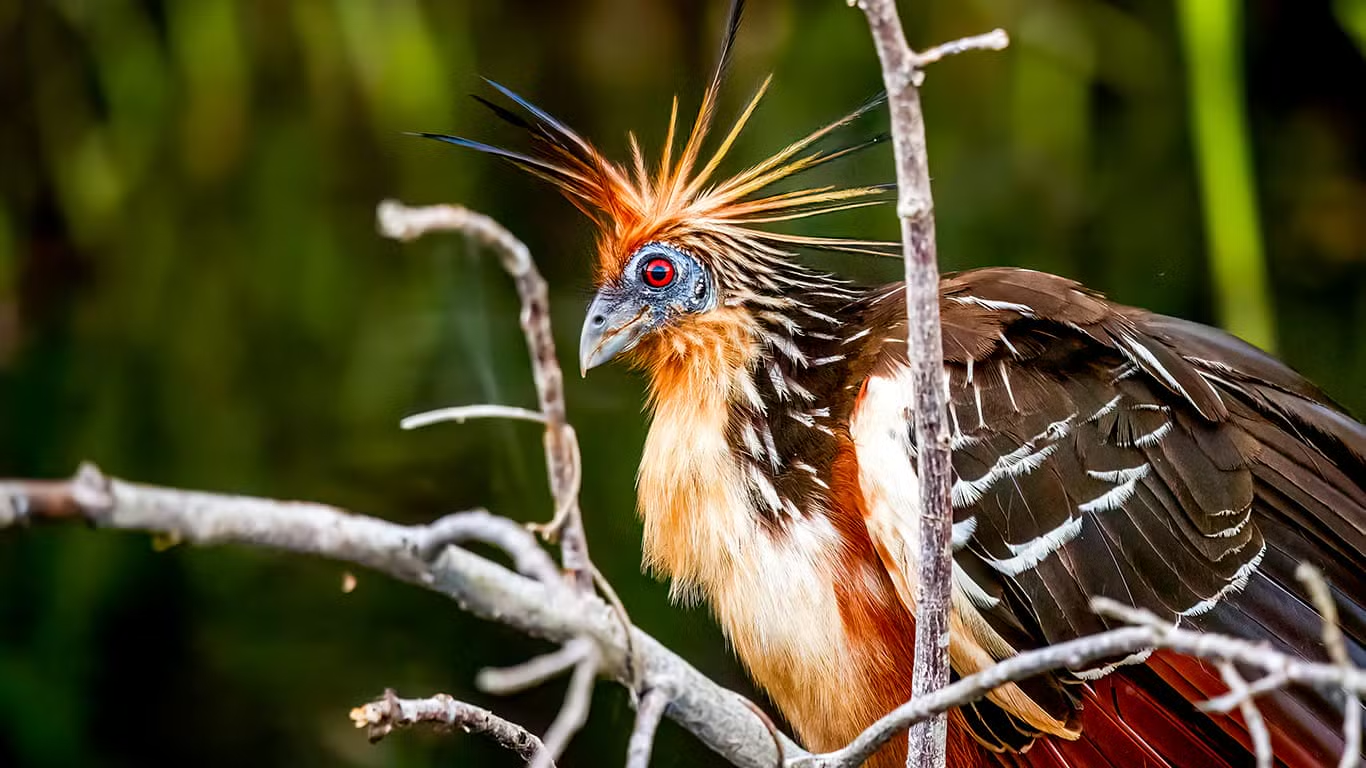
6. Hoatzin (Opisthocomus hoazin)
Why they're special: This prehistoric-looking bird, sometimes called the “stinkbird” due to its unique digestive system, is truly strange and captivating. The young even have claws on their wings, allowing them to climb before they can fly!
Where to see them: In trees and bushes near slow-moving rivers and oxbow lakes.
Tip for spotting them: They are rather clumsy birds, but can easily be seen perched on low branches.
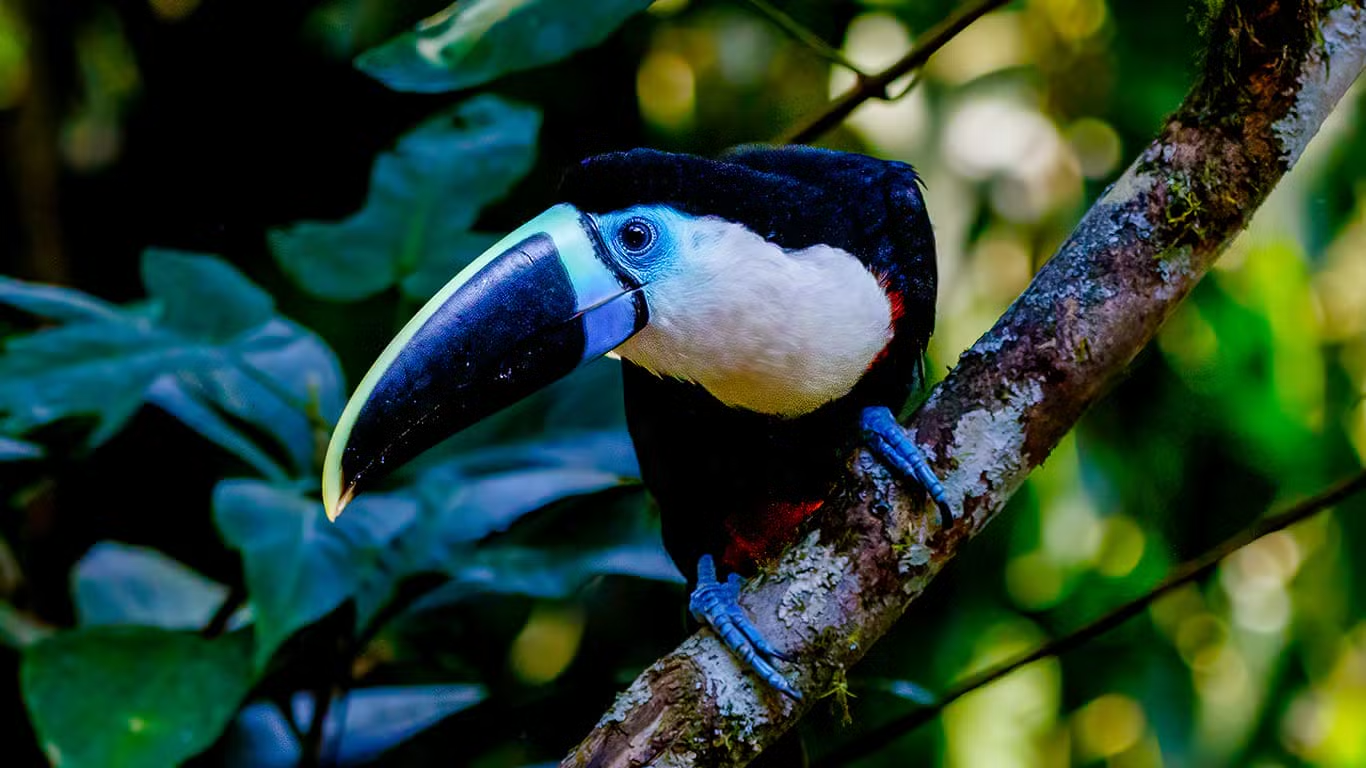
7. Toucans (e.g., White-throated, Channel-billed)
Why they're special: With their impossibly large and colorful bills, toucans are unmistakable symbols of the tropical rainforest. Their calls echo through the canopy.
Where you'll see them: High in the forest canopy, often foraging for fruit.
Spotting tip: Listen for their distinctive calls, which often sound like croaking frogs or yelping dogs.
8. Jaguars (Panthera onca)
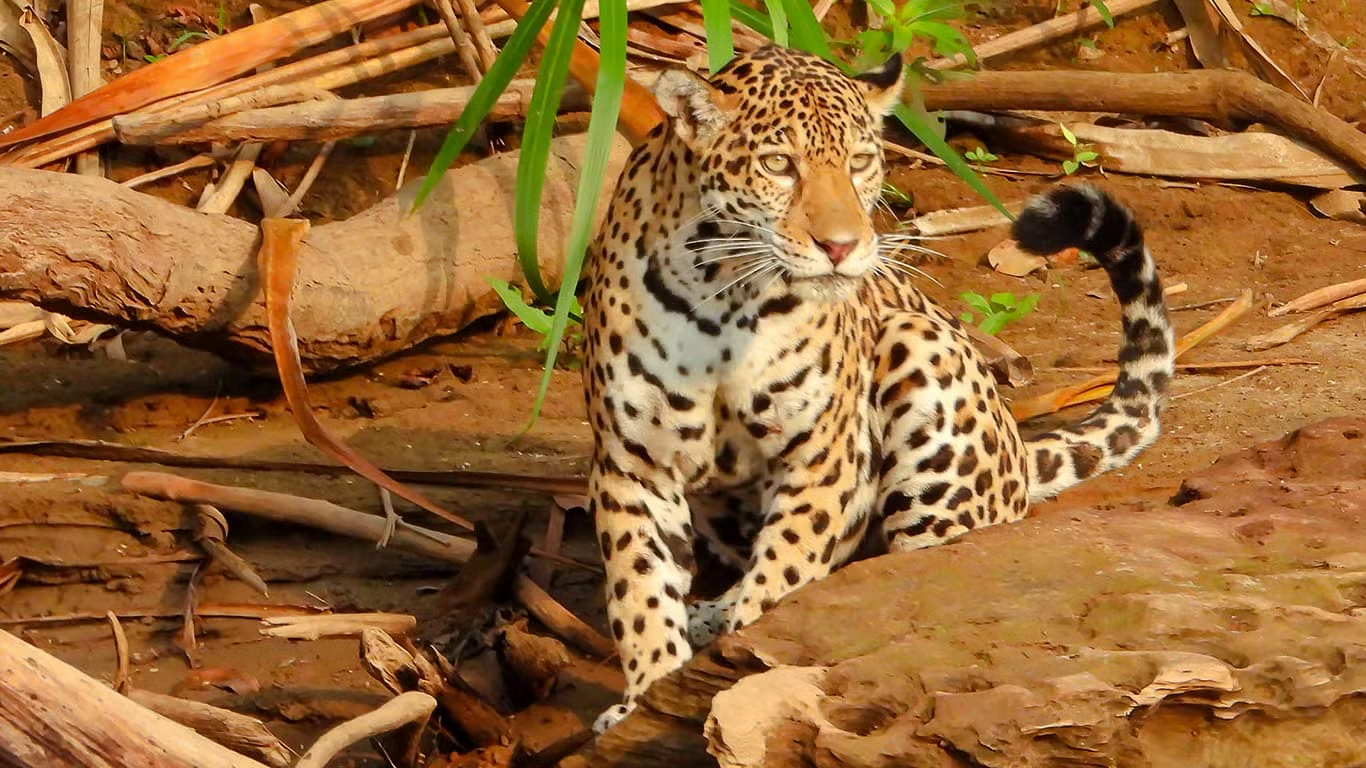
Why they're special: The undisputed king of the Amazon. While incredibly elusive, Manu offers one of the best chances in the world to see these magnificent big cats in the wild. A sighting is the highlight of any Amazonian journey.
Where you'll see them: Often along riverbanks, especially in the early morning or late afternoon, as they patrol for prey.
Spotting tip: Patience is key. Our experienced guides know prime jaguar habitat and how to spot tracks. Look for them resting on fallen logs or walking along the water's edge.
9. Sloths (Three-toed and Two-toed)
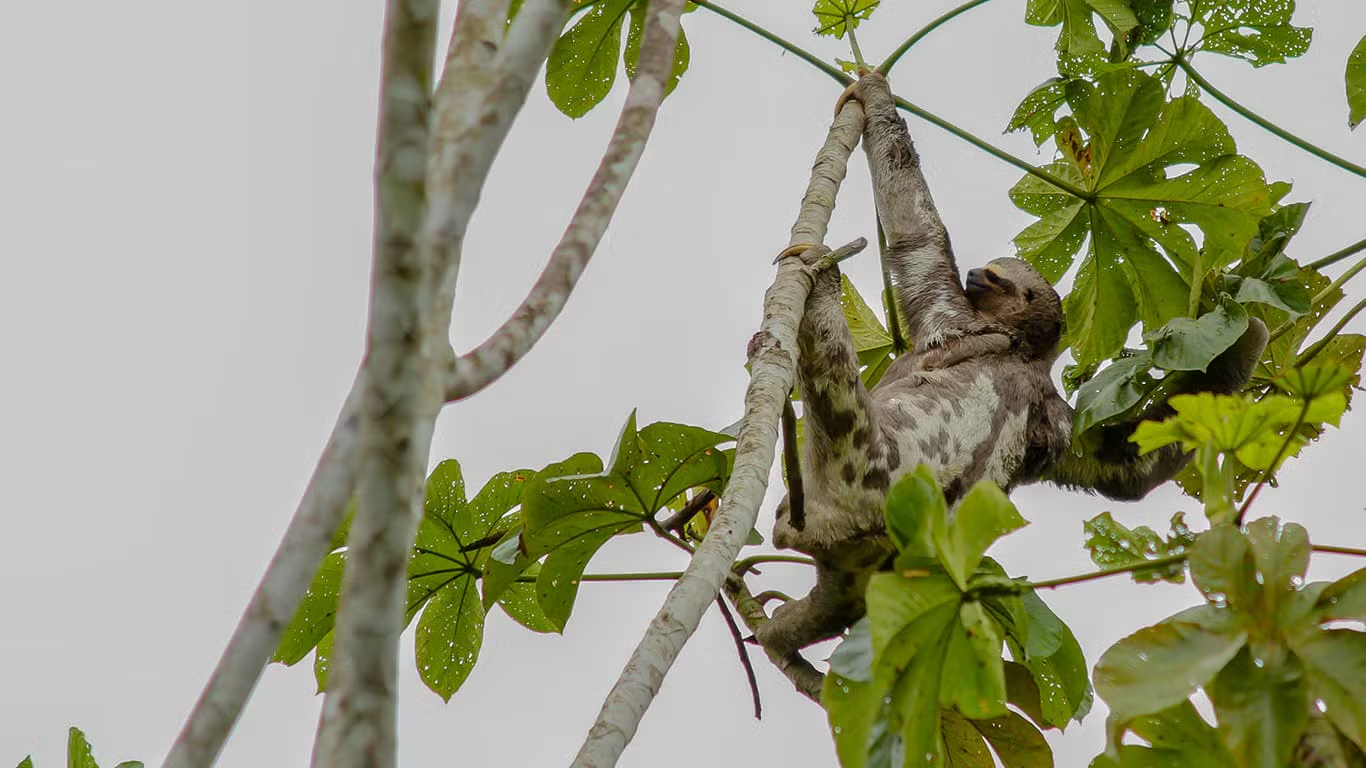
Why they're special: Masters of camouflage and slow-motion, sloths are a unique and beloved rainforest inhabitant. They spend most of their lives hanging upside down in the trees.
Where you'll see them: High in the canopy, often camouflaged amongst the leaves.
Spotting tip: Our guides have keen eyes for spotting their subtle movements and tell-tale shapes in the trees.
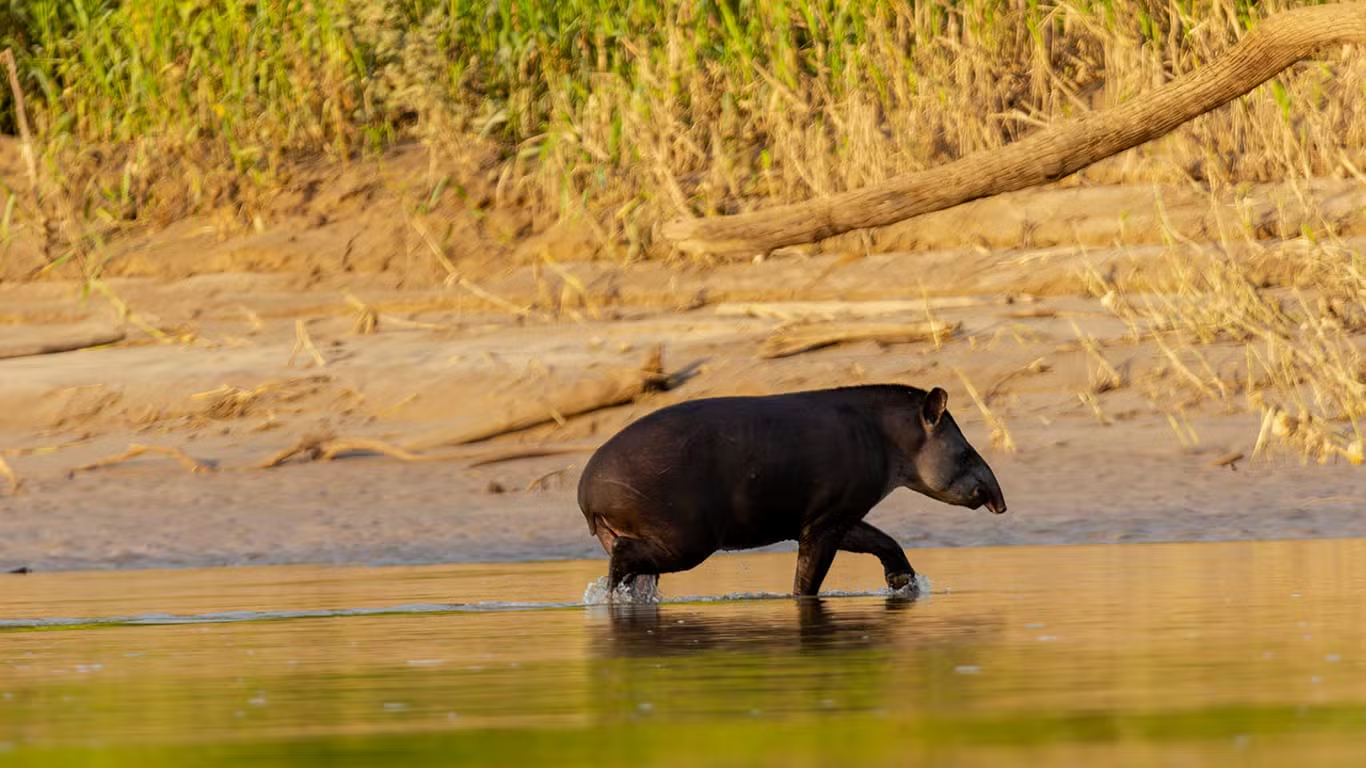
10. Tapir (Brazilian Tapir)
Why they're special: The largest land mammal in South America, resembling a wild pig with a short, prehensile snort. These gentle giants are largely nocturnal but can be seen grazing or bathing in the cooler parts of the day.
Where you'll see them: Near water sources, mud wallows, or occasionally crossing trails.
Spotting tip: They are shy, so quiet movement and keen observation are essential. Look for tracks along riverbanks and at Mammal Clay Licks.